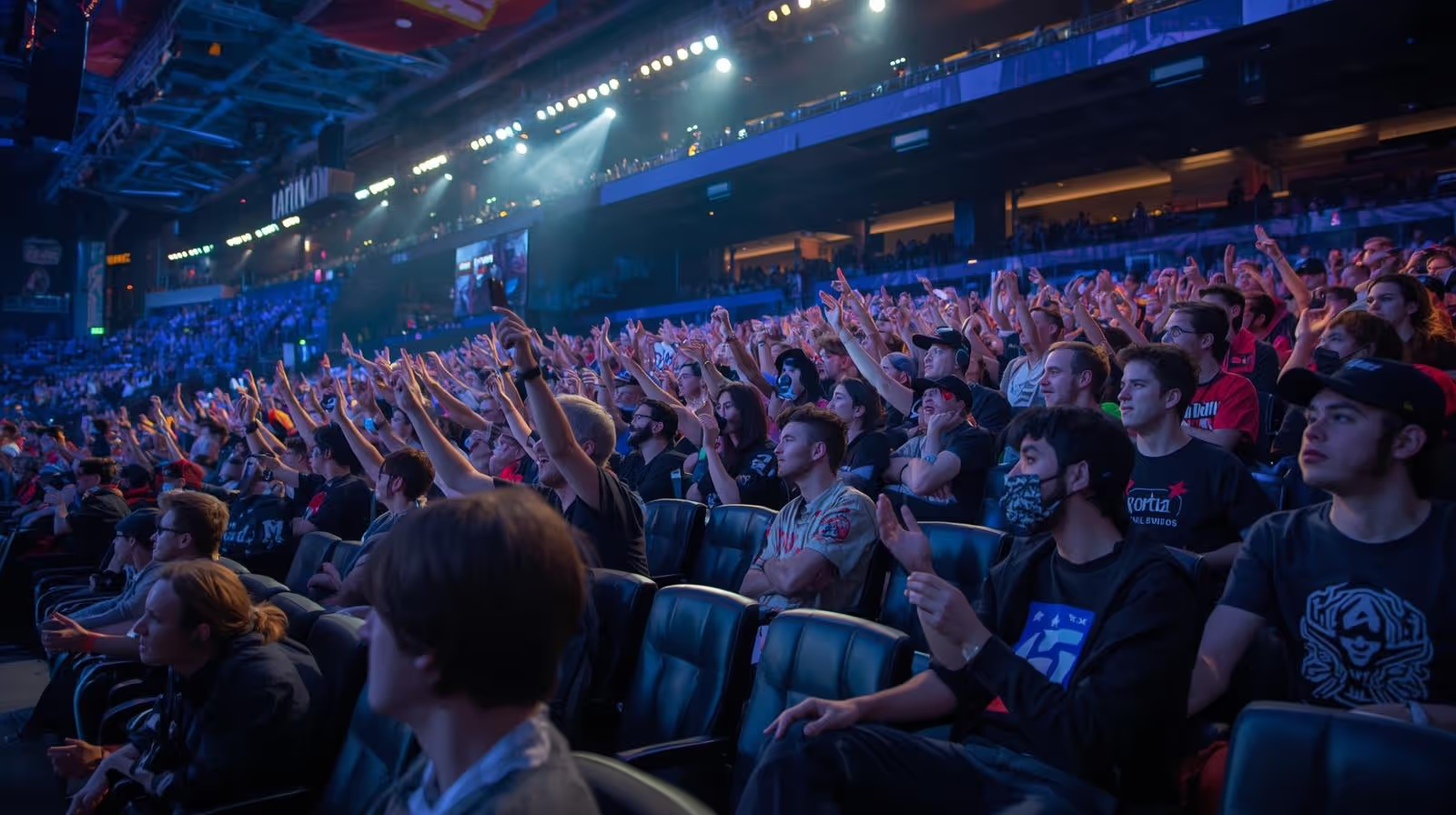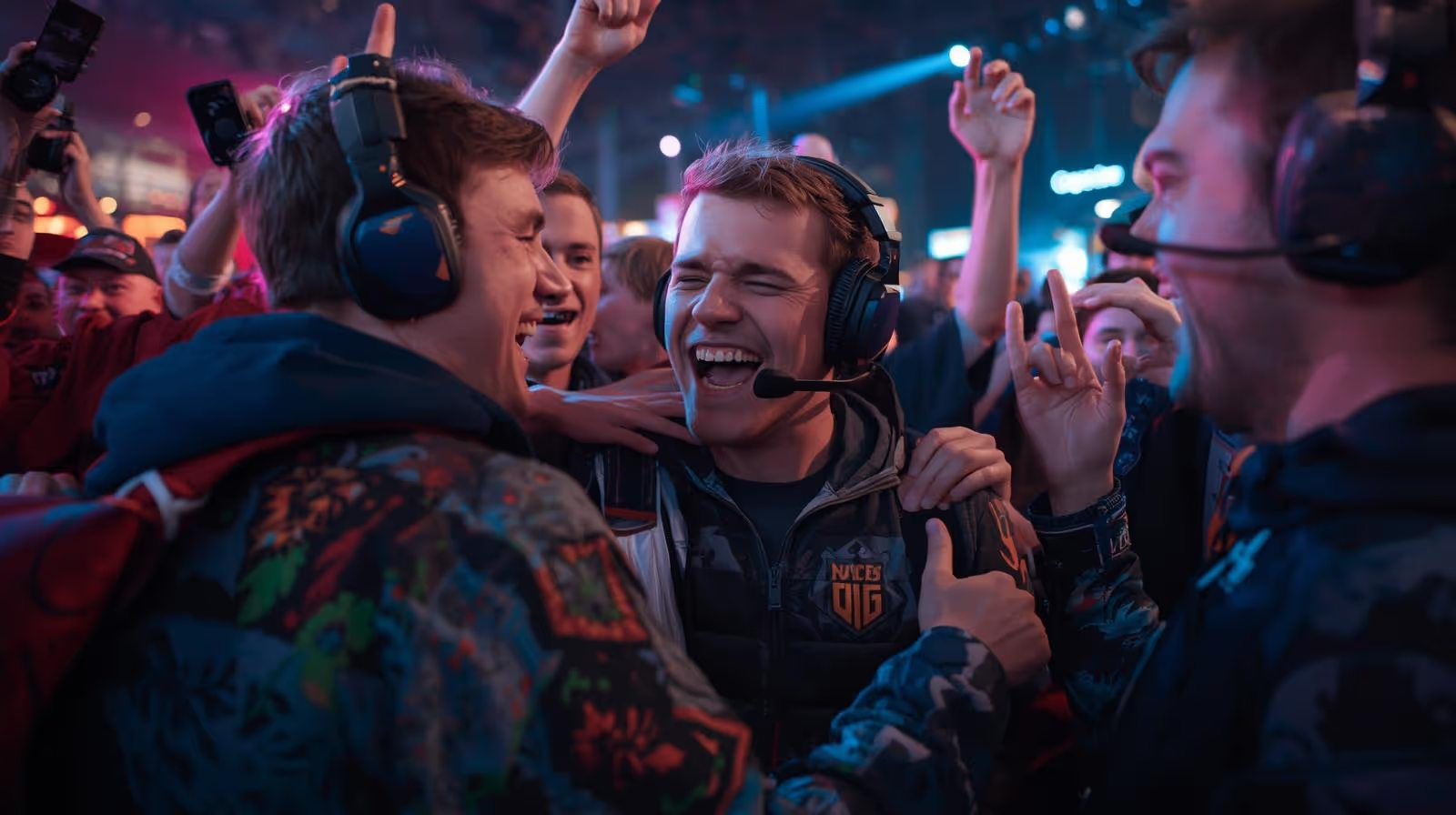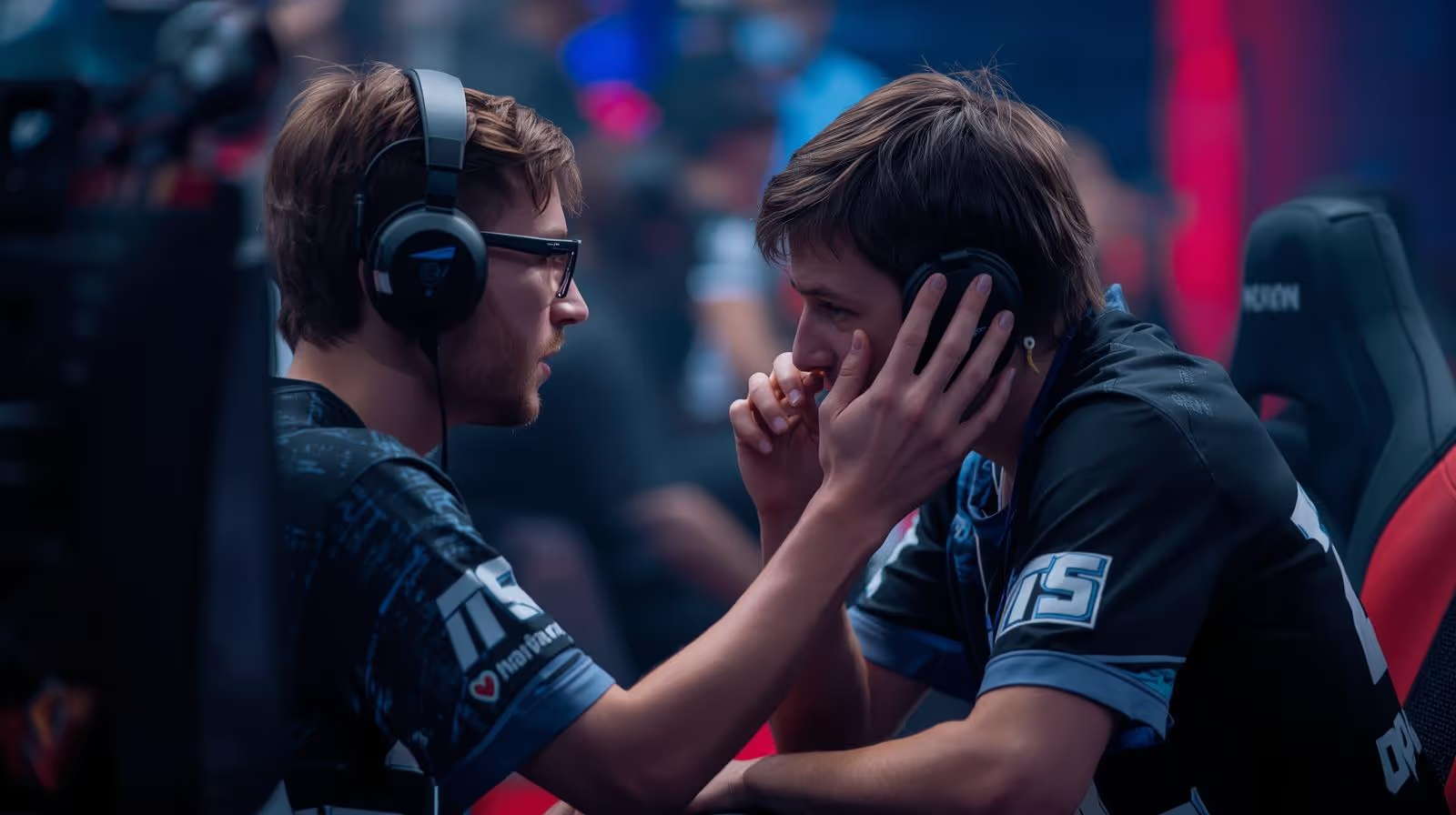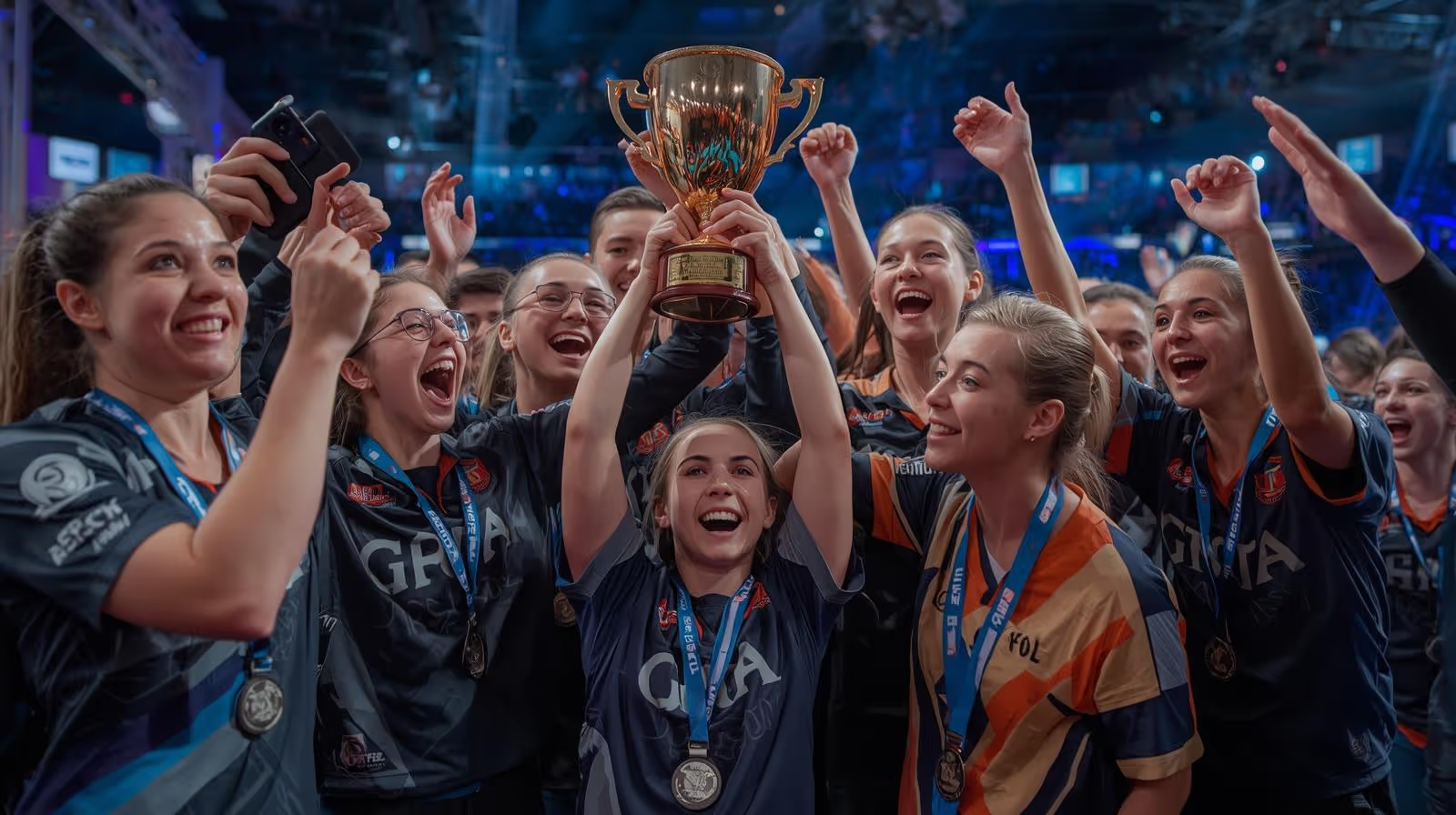



The practice room is too quiet. Headsets sit on the desk, scrim notes are still open, and a teenager stares at a blank monitor like it’s the only thing holding him up.
Bad news travels fast in esports, usually through a phone screen. One call, one message, one shaky “can we talk,” and suddenly the season doesn’t matter. A young player has lost family, and the normal routine, ranked grind, content days, scrims, all of it, stops feeling real.
This is the heart of the coach who adopted his player after family tragedy story, but here’s the truth up front: verified, reputable reporting of a legal adoption in esports is rare and often not clearly documented. So this post focuses on what “adoption” can mean in real life, legal guardianship, long-term care, and full family support, and how an esports coach could step up the right way. In the middle of chaos, what would you do if your star player suddenly had nowhere safe to go, and the next match is still on the calendar.
What follows is a story-driven look at grief, team houses, contracts, and player welfare, plus practical steps for coaches and orgs that want to do right by the people behind the gamer tags.
When a family tragedy hits an esports player, everything changes
In esports, performance is tied to routine. Sleep, food, practice blocks, and mental calm all stack up into good decisions in-game. Family tragedy breaks that stack overnight.
A player might be dealing with grief and shock while also facing sudden problems that have nothing to do with the server. Housing can vanish. Money can get tight fast. School gets disrupted. If the player was living away from home for a team program, the “home base” might not exist anymore.
Then esports adds its own pressure. There are scrims booked, travel plans, sponsor obligations, and fans who want answers. Even if the org gives time off, the player may feel guilty stepping away because someone else could take his spot.
Plenty of heartwarming “coach adopted player” stories exist in traditional sports. In esports, you’ll see viral posts and clips that claim something similar, but solid reporting of a legal adoption is hard to confirm. If you care about player welfare, treat rumors like noise and focus on what can be verified and what can be done responsibly in real life.
The hidden pressure: grief, burnout, and playing through pain
Grief doesn’t look the same for everyone, but teammates usually notice when someone is not okay. In esports, signs often show up in ways that get misread as attitude.
A player may tilt faster than normal. He may snap at comms, then go silent for hours. He may miss practice, sleep through scrims, or show up and barely talk. Some players start panicking right before matches, not because they fear losing, but because their body is stuck in fight-or-flight.
Esports also has a public stage that can make loss feel worse. Mistakes happen live on stream. Chat can be cruel. Clips get reposted, and a grieving teenager may feel watched during the one time he needs to disappear.
Small supportive actions can help, even without special training:
- Listen without fixing: let the player talk, or sit in silence if that’s all he’s got.
- Protect privacy: keep details inside a small need-to-know circle.
- Offer time off: normalize stepping away from ranked, scrims, and content days.
- Lower the volume: reduce social media exposure, mute keywords, and keep chat closed during practice.
The goal is not a perfect response. The goal is a safe week, then a safer month.
Why esports can make loss harder: team houses, contracts, and being far from home
Many young players chase opportunity by moving. Sometimes it’s a team house. Sometimes it’s a short-term training apartment near a facility. Sometimes it’s another city, or another country.
That distance becomes a problem when family support collapses. If the player is a minor or a young adult with limited independence, big questions pop up fast: who can approve medical care, who can coordinate school, who can handle travel, and who can sign paperwork if something urgent happens.
Contracts add stress too. Even good orgs can be slow because they have to check legal boxes before spending money or changing living plans. Meanwhile, the player is still a person who needs a bed tonight and someone to call in the morning.
This is where adult leadership matters, not for optics, not for content, but for basic safety.
The coach who steps up: from mentor to guardian, and what “adoption” can really mean
To avoid turning a real pain into a rumor mill, the story below is a composite scenario based on common esports structures (team houses, young rosters, coach control over play time). It’s not presented as a specific, confirmed case.
A coach gets the call first because the player trusts him. The player’s remaining family is far away, or unstable, or simply unable to take him in. The org is supportive, but slow. The coach looks around at the empty practice room and realizes the next decision isn’t about drafts or aim training.
It’s about the player’s future.
In that moment, “adoption” can mean different paths, and they are not equal:
- Temporary housing: a safe short-term place to stay, often with a vetted adult or host family.
- Foster care support: depending on location and age, a player may be placed in a system that’s not built for esports schedules.
- Legal guardianship: an adult gets authority to make certain decisions, often for minors, with court oversight.
- Formal adoption: a permanent legal change that is serious, slow, and never something to rush.
When people say “the coach adopted him,” they might mean the coach took him in, fed him, got him to school, and acted like family. That matters. It also doesn’t automatically mean a legal adoption happened.
And in the middle of all this, If the player is still a minor, who can sign the forms when life gets urgent, is not a dramatic question. It’s a real one.
A timeline of support: the first night, the first week, the first season
A good response looks less like a speech and more like a series of boring, steady actions. In esports, boring is often what saves people.
The first nightThe coach makes sure the player is not alone. A safe place to sleep comes first, and not in a way that creates risk or confusion. The coach contacts trusted family if the player wants that. The org is told only what it needs to know, and the player’s privacy is protected.
Practice that night is cancelled, no debate. The coach tells the roster the simple truth: someone is hurting, we’re human first.
The first weekThis is where structure matters. The coach helps the player get basic needs covered, meals, clean clothes, transportation, and a way to handle school obligations. A licensed counselor is offered, not forced, and the player gets choices about timing and format.
In-game workload gets adjusted. Ranked grind pauses. Scrim blocks get shorter, or get replaced with VOD review that doesn’t demand sharp reactions. Content days are optional, and the org does not push “a brave comeback” post.
The first seasonIf the player stays with the team, the coach and org plan for the long haul. That may include a change in living setup, a host family, or a guardian arrangement handled through proper channels. The staff watches for delayed grief, which often hits after the first tournament back, when adrenaline fades.
The coach also checks in with the rest of the roster. Grief spreads. Teammates can feel helpless, then guilty, then resentful. Honest comms keep the team from breaking in silence.
Healthy boundaries so it stays about the player, not a savior story
Esports has a built-in power imbalance. A coach can control play time, role swaps, and whether a player is on the starting roster. When that same coach becomes a guardian figure, the situation needs guardrails.
If a coach steps into a long-term care role, good boundaries protect everyone:
Keep another adult advocate involved: a team manager, welfare lead, or trusted parent figure who can speak up for the player.
Put decisions in writing: not as cold paperwork, but as clarity. Who pays for what, where the player lives, who has access to medical info, and who can contact school staff.
Separate care from competition: when possible, another staff member should handle performance talks for a while. The player shouldn’t feel like gratitude is tied to scrim results.
No clout farming: don’t sell merch, don’t post “look what we did,” don’t tease private details on stream. If the player wants to share later, that’s their choice, and consent should be specific, not implied.
When this is done well, the coach is not the hero of the story. The player is the person being protected while he rebuilds his life.
How esports organizations can do this right: a player safety plan that works in real life
A crisis is not the time to invent policy. If an org wants real player welfare, it needs a plan that works when emotions are high and time is short.
This is where safeguarding, team house rules, and mental health support in esports stop being buzzwords and start becoming simple systems. Even small orgs can set basics: emergency contacts, housing standards, and a clear chain of responsibility.
Parents also deserve a seat at the table. Groups like the Coalition of Parents in Esports (COPE) exist because families often feel alone when their kid joins a competitive program. Community support can fill gaps, but orgs still need clear internal standards.
Immediate crisis checklist: housing, money, school, and mental health care
When tragedy hits, the checklist should be ready before someone starts tweeting.
- Safe housing first: a vetted home, host family, or supervised housing plan that fits the player’s age.
- Emergency contacts: confirm who the player wants contacted, and who is legally allowed to act.
- Food and transport: rides to school, practice, appointments, and basics like groceries.
- Short-term financial help: simple assistance for essentials, handled quietly.
- School coordination: communicate with school staff when needed, and protect the player’s privacy.
- Time off without punishment: no threats about being replaced, no pressure to “push through.”
- Access to licensed care: a therapist or counselor, not a teammate acting as one.
- Social media plan: lock down accounts, filter harassment, and share only what the player approves.
Teams should also know local resources and hotlines, but those details depend on location, so it’s best handled in a region-specific policy rather than a one-size blog post.
Long-term stability: guardianship basics, contracts, and protecting the player’s future
Long-term care can’t sit on one coach’s shoulders, no matter how kind that coach is. Orgs should bring in qualified professionals, like a lawyer for guardianship questions, a social worker when appropriate, and a counselor who understands trauma.
From an esports ops view, stability comes from a few simple commitments:
Fair contracts and clear pay: grief is not the time for confusing terms. Keep it transparent. Give the player space to review agreements with an outside adult.
Education support: school plans, tutoring, or flexible scheduling, especially if the player is still finishing basic education.
A plan if staff changes: if the coach leaves, what happens to the player’s housing and support. The org should own that responsibility, not just one person.
Don’t rush adoption for optics: legal adoption is permanent and life-altering. It should never be a branding move, and it should never be pitched like a feel-good storyline.
The healthiest version of “coach adopted player” is usually the least flashy one. It’s a steady adult presence, backed by a system that doesn’t collapse when one staff member burns out.
Conclusion
Esports is competitive by design, but people still come first. When family tragedy hits a young player, it can knock out housing, school, sleep, and the sense of safety that makes performance possible. A coach can become a steady adult presence, sometimes even a guardian in practice, but the best outcomes happen when the whole organization supports the player with clear rules and real care.
If there’s one takeaway, it’s that player welfare has to be built before disaster shows up. And if your team had to choose between winning and doing the right thing, how would you want your org to respond, is a question worth asking long before the next scrim loads.