
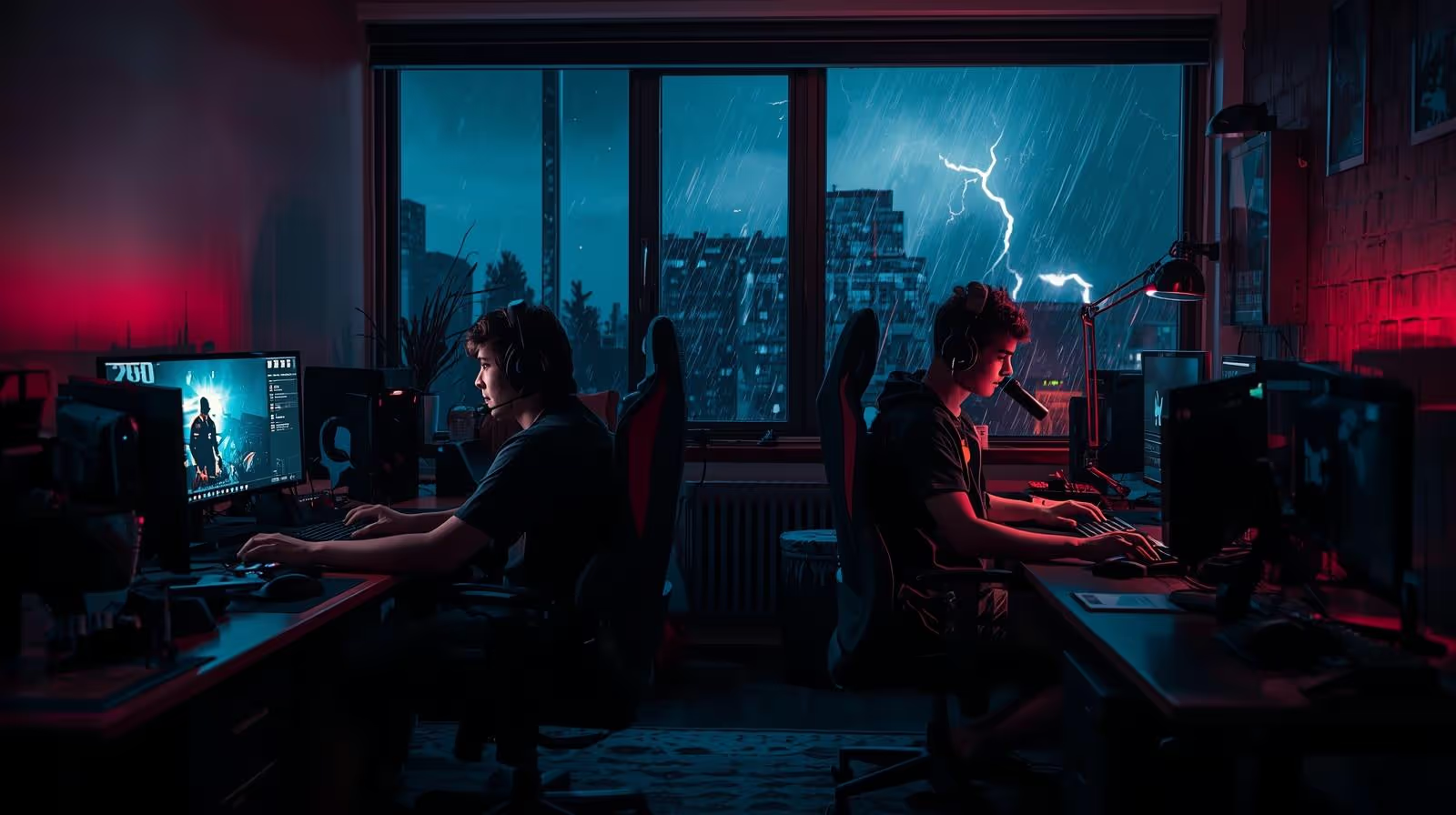

The storm hit like a bad patch, sudden, loud, and impossible to ignore. One minute the teams were unloading gear for a tournament weekend, the next they were staring at weather alerts that kept stacking up on every phone in the lobby.
The organizer’s call came fast: the venue was closed, roads were turning risky, and everyone needed to shelter nearby. That’s how two rival esports teams, the kind that spam each other’s clips with sarcasm, ended up sharing one gaming house meant for half that many people.
It sounded simple until it wasn’t. Limited power, cramped rooms, thin walls, and zero privacy. And in the middle of all that, a question sat in everyone’s throat like dry air, how do you keep your edge when you are sharing a kitchen with the team you want to beat.
How the storm forced two rival teams into one gaming house
Both teams were traveling on tight schedules, with the usual routine already mapped out. Arrive, check in, scrim blocks, VOD review, quick dinner, early sleep. Tournament life is mostly time slots and habits, because nerves love empty space.
Then the storm warnings escalated. The venue staff cleared the building. The organizer found the closest safe option, a gaming house used for content shoots and bootcamps. It had enough PCs for basic practice, but not enough quiet corners for two teams that didn’t trust each other.
The split happened like a draft no one wanted.
One team took the upstairs rooms and a small office with two setups. The other team took the basement sleeping area and claimed the dining table for laptops, notes, and headset chargers. The living room became neutral territory, which meant it belonged to nobody and everybody at the same time.
Even the “normal” parts of esports got weird in a shared house:
- Warmups had to happen in shifts because there weren’t enough desks.
- VOD review turned into whisper talk, since the walls felt too thin.
- Meal timing became a chess match, because nobody wanted to run into the other team while tired and hungry.
- Naps were short and light, the way you sleep on a bus with your backpack hugged tight.
The biggest problem wasn’t space. It was the fear of giving something away.
The unspoken house rules: space, schedules, and staying professional
No one sat down and signed a contract, but rules showed up anyway. Coaches and managers started building invisible lines, trying to keep the teams from turning one bad night into a full-on blowup.
Quiet hours got called early. Headset volume got policed. Scrim blocks were scheduled like air traffic control, because one overloaded internet line could ruin practice for everyone.
The friction points were predictable, and that’s what made them annoying. You could feel an argument coming from a mile away.
Bathrooms became a timer-based sport. People knocked too hard, took too long, left wet towels where they didn’t belong.
Laundry turned into a passive-aggressive puzzle. Someone moved someone else’s clothes, then pretended they didn’t.
Streaming and calls got tense fast. A player would start a Discord call, then stop mid-sentence when footsteps passed the door.
Team meetings became quiet circles with phones facedown and notebooks flipped shut. Everyone acted casual, but shoulders stayed stiff.
The pros on both sides kept saying the same thing: “We’re fine.” The house said something else.
Why sharing a house feels risky in esports (strategy leaks, mental games, ego)
To non-players, it might sound dramatic. Two teams in one house, so what. In esports, small details can swing a map.
A rival overhears a callout pattern. A coach spots a whiteboard note while walking past. A player sees a map pool list on someone’s phone screen. Even a sigh can feel like info, like someone’s tilted before the match even starts.
And it’s not just tactics. It’s ego.
Players build armor around confidence. When you share a space with your rival, you worry about looking weak. You avoid stretching in the hallway because someone might laugh. You hide that your hands are cold. You act like your scrims are perfect, even if you just got rolled.
Body language becomes a language. A slump on the couch can look like defeat. A loud laugh can look like fake confidence. In a shared gaming house, you don’t just compete in-game. You compete in how unbothered you can seem.
The night tension peaked: trash talk, tight rooms, and a power flicker
The storm didn’t care about scrim schedules. Wind slapped rain against the windows like someone throwing gravel. The air inside got humid, warm from too many PCs and too many people trying not to breathe too loud.
Practice was happening in fragments. A few aim drills here. A short review session there. Then the lights flickered.
Once. Twice. The third time, screens went black. Headsets popped with sudden silence. For a second, nobody moved, like movement might make it worse.
Phones came out, flashlights turned on, and the whole house drifted into the living room because it was the only space big enough for everyone to wait without standing on top of each other. Staff checked breakers. Someone muttered about surge protectors. Someone else blamed the router.
What surprised everyone was how quiet it got.
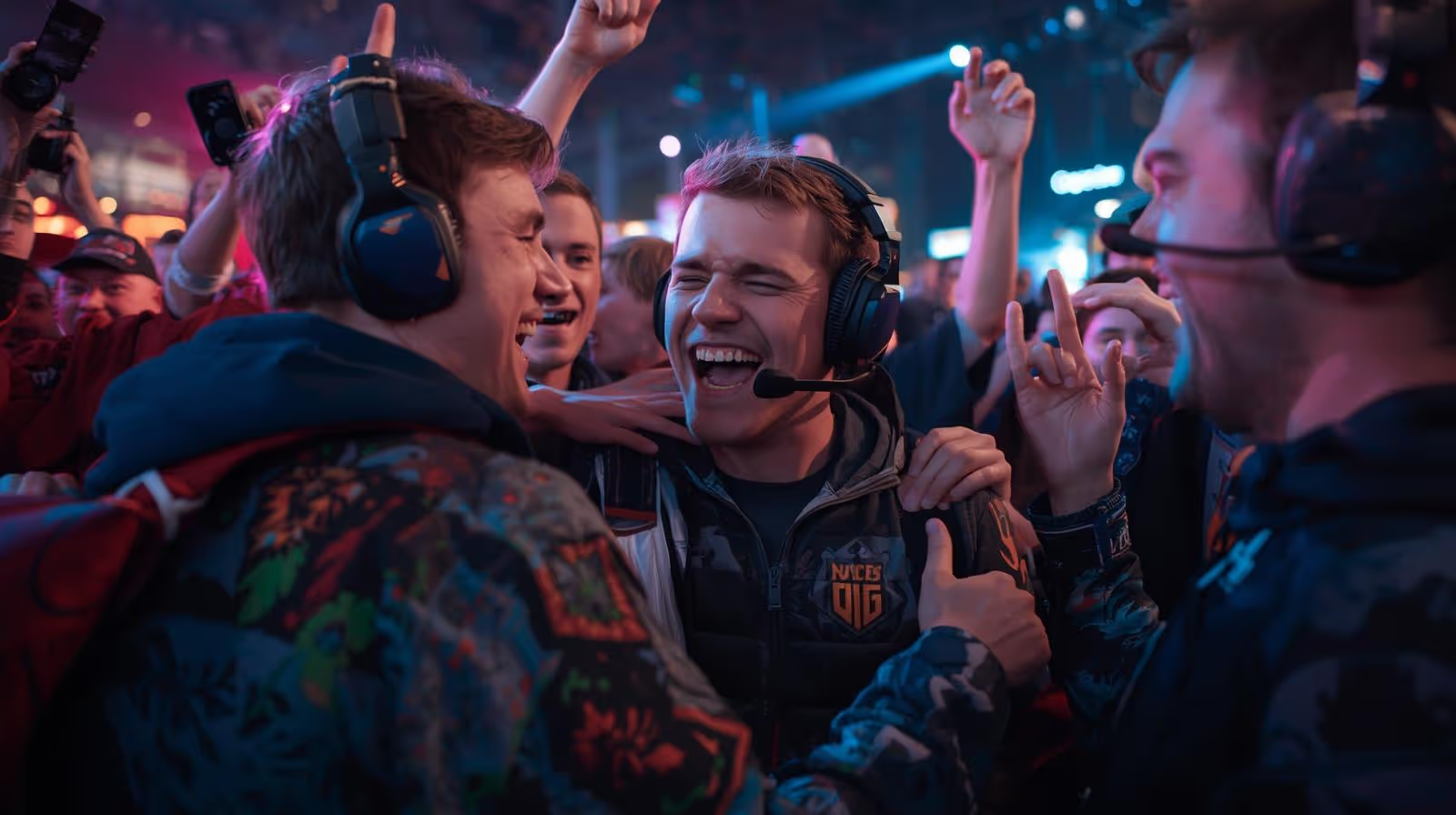
Trash talk still existed, but it shrank into tight little comments, sharp enough to cut, soft enough to deny. The silence in between felt heavier than any insult. Both teams sat there, pretending they didn’t care, while the storm kept hammering the roof like a countdown.
When practice stops, the real competition starts in the living room
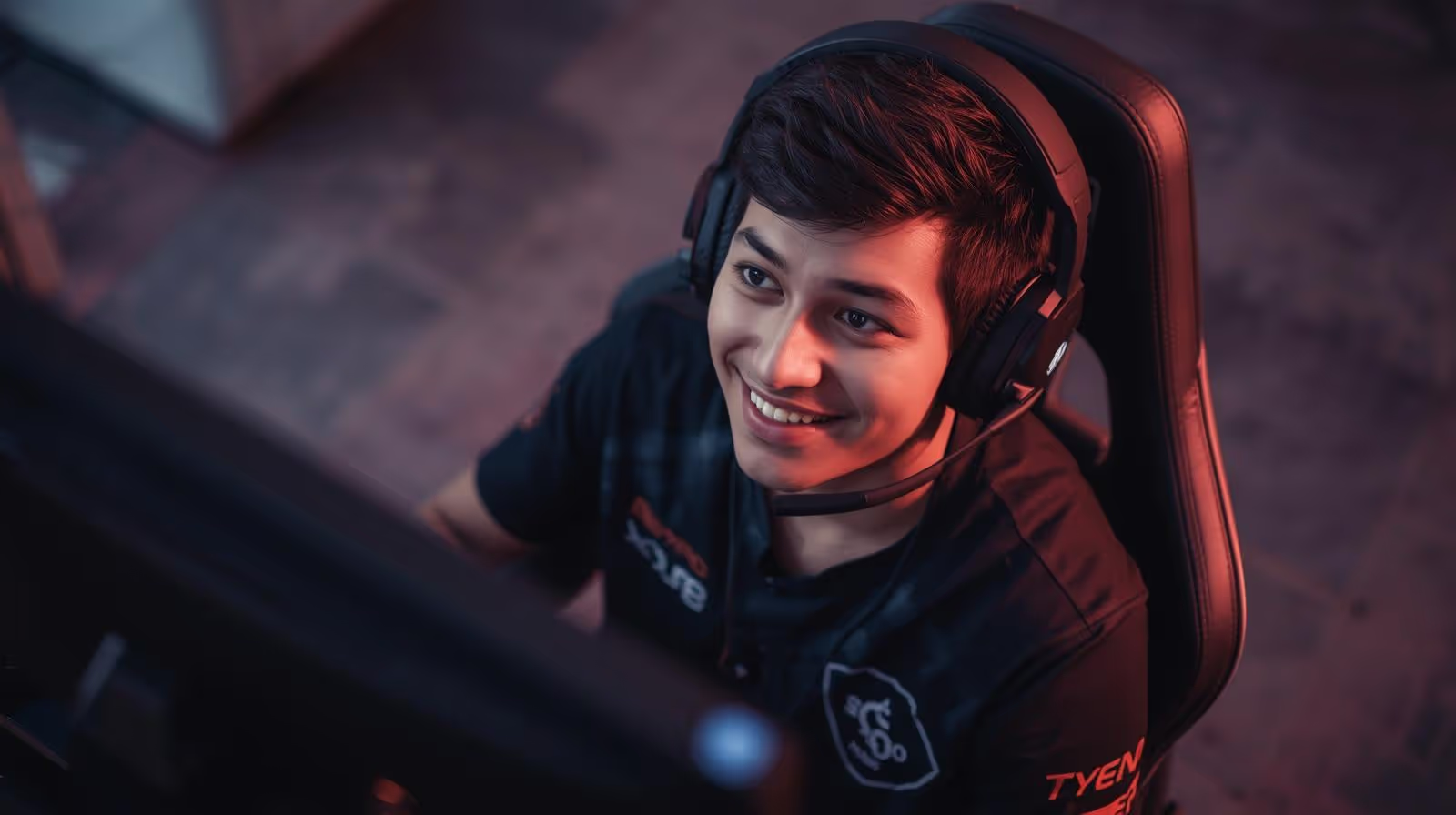
Without PCs, players had nowhere to put their energy. You could see it in the small movements. Knees bouncing. Fingers tapping. A guy pacing from the couch to the window and back, like the weather could be negotiated.
Coaches tried to look calm, but you could hear the strain in their voices. They reminded players to hydrate, to stretch, to keep heads right. It sounded like the kind of advice you give when you can’t fix the actual problem.
And right there in the dead time, a thought kept buzzing, what do you do with all that adrenaline when the storm decides your scrim block is over, because the body doesn’t know the difference between a canceled match and a real one.
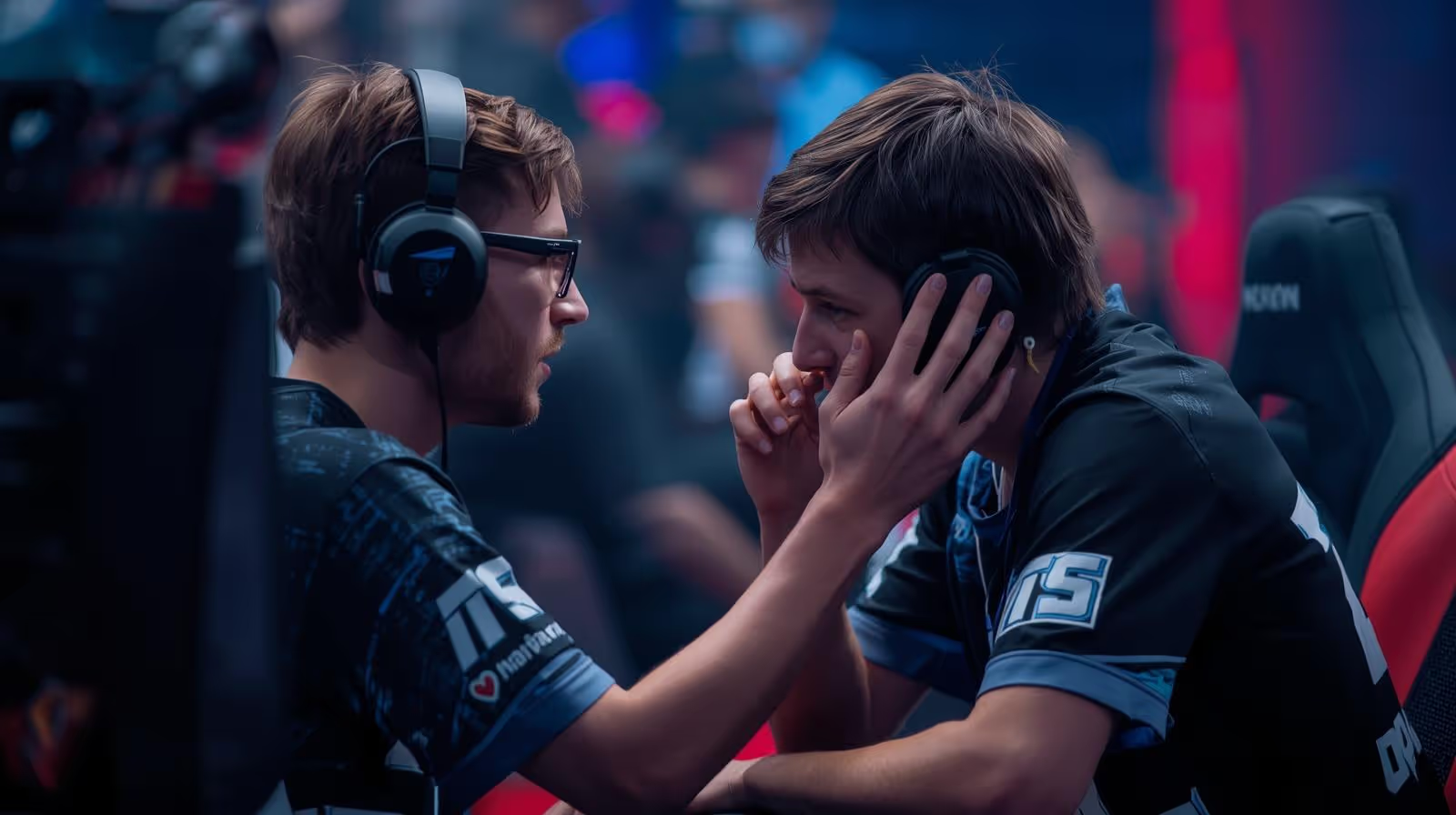
The rivalry had nowhere to go, so it turned inward. Players stared a little too long. Someone smirked at a mispronounced callout during a whispered review. Another player laughed, just once, at the wrong moment. Nobody forgot anything.
The first crack in the rivalry: helping an injured opponent without thinking
It didn’t happen during some heroic speech. It happened in the hallway.
One player from the upstairs team stepped wrong on a cluttered stair corner and twisted his ankle. It was quick, a sharp intake of breath and a hand on the wall. Pride tried to carry him forward anyway, until his leg buckled.
A rival player was closest. Instinct beat identity.
He moved in, got an arm under the injured player’s shoulder, and helped guide him to the couch. Someone else grabbed an ice pack from the freezer, the kind you usually save for long scrim nights. A third person dug up athletic tape. No one asked permission. No one made it a big deal.
The injured player kept saying, “I’m good,” in that stubborn way competitors do. The answer was obvious though. He wasn’t good, not yet.
The room changed after that. Not into friendship, not into warm fuzzies, but into something more human. The rivalry didn’t disappear. It just stopped trying to be cruel for sport.
From enemies to respectful rivals: the small moments that changed everything
Once the power came back, practice didn’t snap into place. The storm was still there, and the house still felt crowded. But the mood had shifted by a few degrees, like a thermostat turning down from boiling to merely hot.
People started using names instead of “them.”
A player offered a charger without making it a favor. Another held a door open without the extra attitude. Tiny moments, but in esports, tiny moments add up fast.
The teams still protected strategy. Laptops faced away. Notes stayed closed. Voice comms stayed low. But the human side, the stuff under the jerseys and handles, started showing through.
Kitchen truce: instant noodles, real talk, and surprising common ground
The kitchen did what it always does in a shared house. It forced interaction.
Someone put a pot on the stove. Someone else followed with instant noodles, because instant noodles are the unofficial food of tournament travel. A rival player reached past for bowls, then paused like he’d touched a hot pan. No one swung at the moment. It passed.
Soon, a few players were eating at the counter, spaced out like strangers on a bus. The talk started with safe topics: weather, power, whether the venue would reopen. Then it slid into the kind of stuff esports players can’t help discussing.
Mouse sensitivity came up. Not numbers, not exact settings, but habits.
One player admitted he lowers sens when he’s nervous because it makes him feel steady. Another said he taps his feet under the desk during pistol rounds, like a metronome. Someone joked about the one warmup routine that always works until it doesn’t.
A couple of harmless tips got traded, the kind that doesn’t hand over a playbook:
- Posture check: shoulders down, chin level, breathe before a big round.
- Crosshair habit: keep it at head height in hallways, even when you’re tired.
- Nerve reset: stand up between maps, shake out hands, drink water before you queue anything.
They even found common ground in the usual way, by realizing they watched the same streamers and listened to the same music when scrims went late. The laughs were short, surprised, and quickly covered, but they were real.
Coaches still clash, but players learn to separate hate from the game
The coaches didn’t soften as fast, and that made sense. Coaches protect structure. They guard time, information, and momentum. In a shared gaming house, those things feel threatened.
There were arguments about internet priority. About who got the quiet room for VOD review. About whether a late-night scrim block would wake people up. None of it turned into shouting, but the tone had edges.
What changed was how players handled it.
They started separating personal respect from competitive intent. You can want to crush a team on stage without trying to embarrass them in a hallway. That line sounds simple, but it takes maturity to hold it when you’re hungry, stressed, and stuck indoors.
A few boundary rules settled in, mostly led by the calmest leaders:
Okay to share: basic travel help, general wellness stuff, casual talk that doesn’t touch tactics.
Not okay to share: map plans, mid-round calls, set plays, scrim results, anything written on a whiteboard.
The best leaders didn’t demand kindness. They demanded professionalism. And in esports, that’s often the first step toward respect.
What teams can learn from sharing space with rivals during a crisis
Most teams won’t plan to share a gaming house with rivals during a storm, but travel chaos is common. Flights get delayed. venues lose power. hotel bookings fall through. When that happens, the difference between a messy disaster and a manageable one is preparation and attitude.
This is where rivalry can either rot a team from the inside, or sharpen it into something healthier.
Crisis playbook for esports travel: safety, gear, and mental reset
A crisis plan doesn’t have to be long. It has to be real, practiced, and easy to follow when everyone’s stressed.
A few basics help more than people think:
- Emergency contacts: a list in phones and printed on paper, because internet can go out.
- Backup power mindset: power strips, surge protectors, and at least one charged battery pack per person.
- Offline prep: saved VODs, printed notes, and simple review goals that don’t need Wi-Fi.
- Small medical kit: ankle wrap, pain relief, blister pads, ice packs if possible.
- Food and water: snacks that don’t melt, electrolyte packets, quick carbs for long waits.
The mental reset matters just as much. When plans break, some players spiral because their routine is gone. A simple calm-down routine can keep the team steady: breathe for a minute, stretch, name the next small task, then move. You’re not trying to be zen. You’re trying to stay usable.
How to keep the rivalry fierce but clean when the storm passes
When the storm ends, the rivalry comes back, and it should. Competition is the point. The goal is to bring the edge back without dragging the worst parts with it.
A quick post-crisis debrief helps. Not a therapy session, just a clear talk:
- What did we do well under stress?
- What distracted us?
- What do we lock down next time?
On match day, teams can keep it clean with simple rules: no personal attacks, no mocking injuries, no social posts meant to bait a reaction. Save the talk for the server. Let performance speak.
The funny part is that respectful rivalry often makes teams play harder. When you understand your opponent better, you stop inventing stories about them. You prepare with more focus, and you take the win, or the loss, like a pro.
Conclusion
That shared gaming house wasn’t a bonding retreat. It was a pressure test, and it showed what esports culture looks like when comfort gets stripped away. Two rival teams came in guarded, loud in their own way, and left with sharper boundaries and calmer heads.
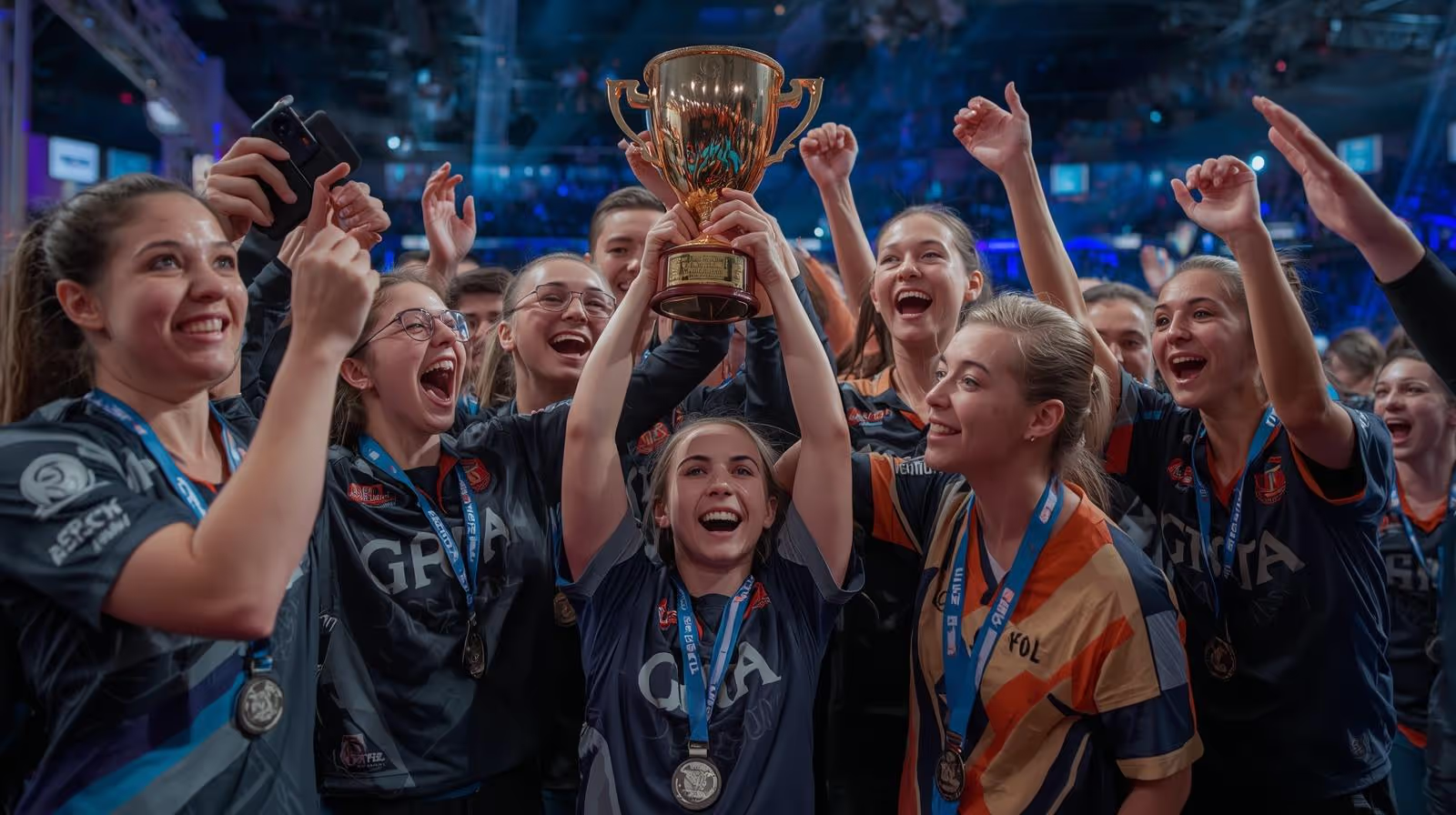
The storm didn’t erase the rivalry, it cleaned it up. It proved you can keep competition intense without treating people like targets. Respect didn’t make anyone play softer, it made the fight cleaner.
When the roads cleared, they packed their gear, nodded once, and walked out into the wet air like nothing had happened, yet you could feel the difference as they met again later, focused and ready, because in a moment like that you can’t help thinking about what kind of competitor you want to be when things go wrong.