

The final map was over. Confetti fell, the winning Call of Duty team lifted the trophy, cameras zoomed in on the champions. At most tournaments, that is when people grab their bags and head for the exits.
At CWL London, the crowd did something else.
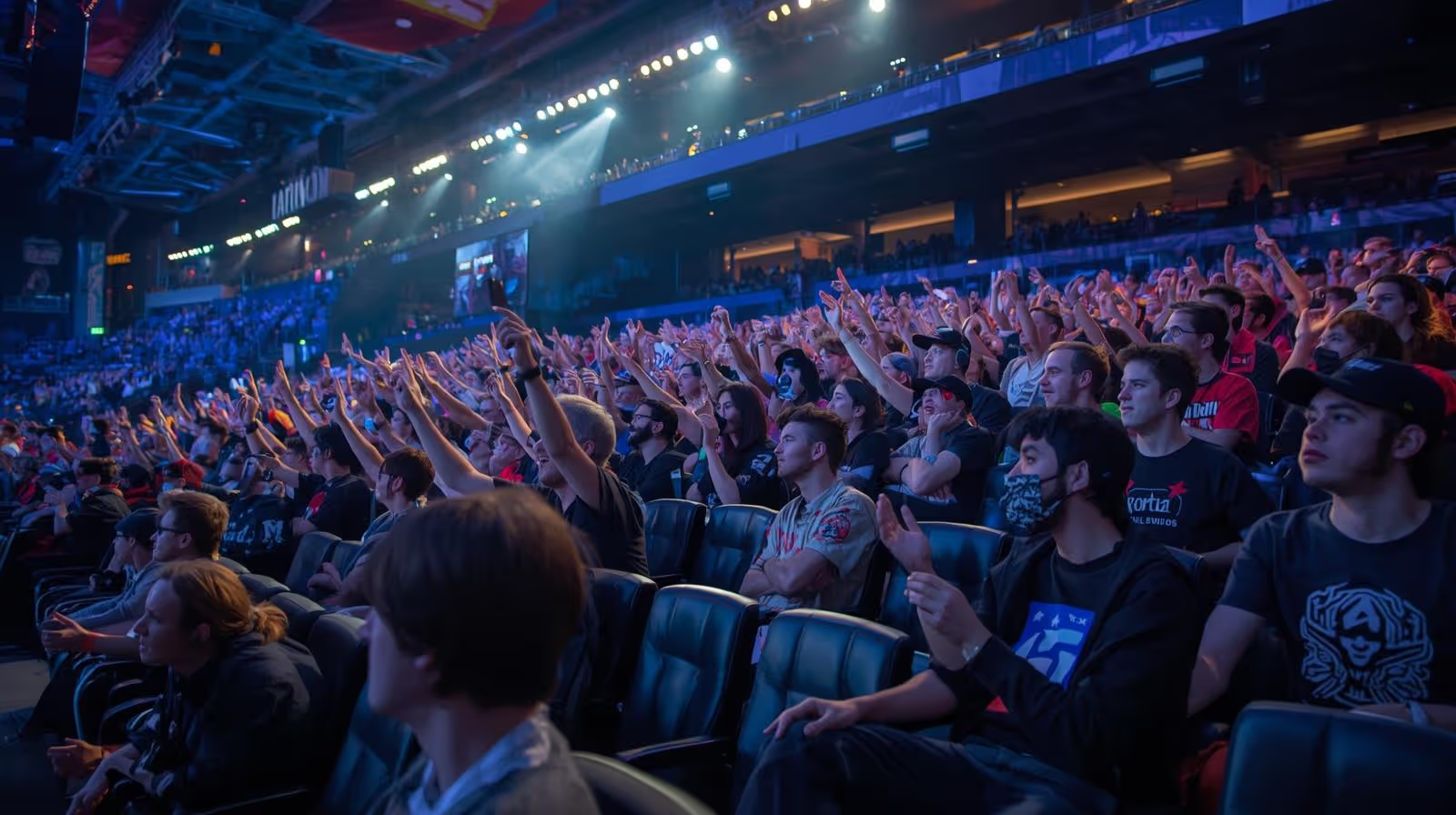
Fans stayed in their seats. They kept chanting, singing, and clapping for the team that had just lost on stage. Staff had to slowly guide people toward the doors because nobody wanted the night to end. The losers walked off to a wall of noise, not silence.
This article looks at why a crowd would stay to cheer the losing team at an esports event, what that support means for players, fans, and orgs, and how it fights against the usual toxicity that can fill chats and comment sections. The focus is on esports, not traditional sports, and how live events can feel when respect beats hate.
What Does It Mean When Fans Stay to Cheer the Losing Esports Team?
In simple terms, it means the crowd refuses to treat second place like trash.
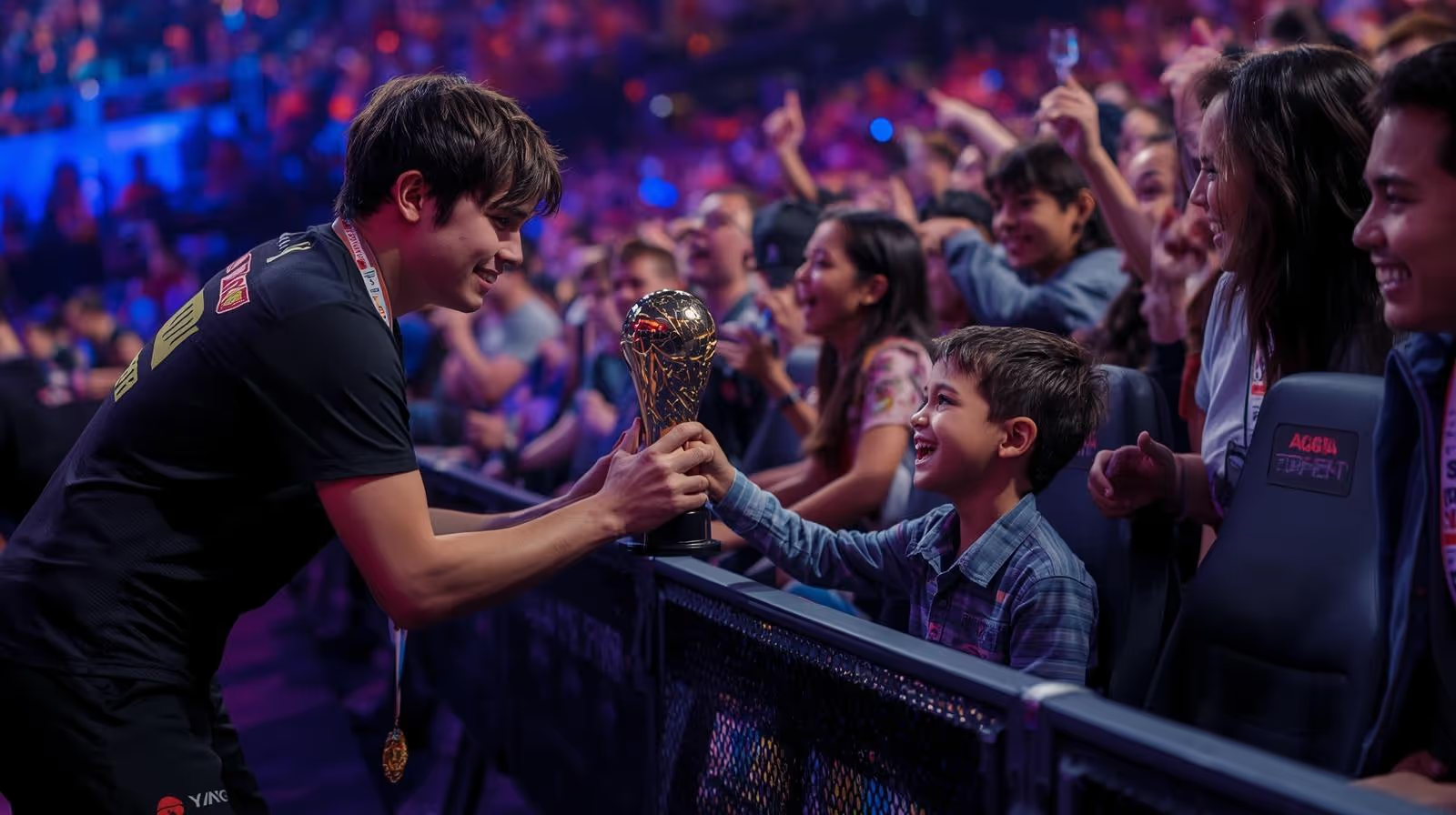
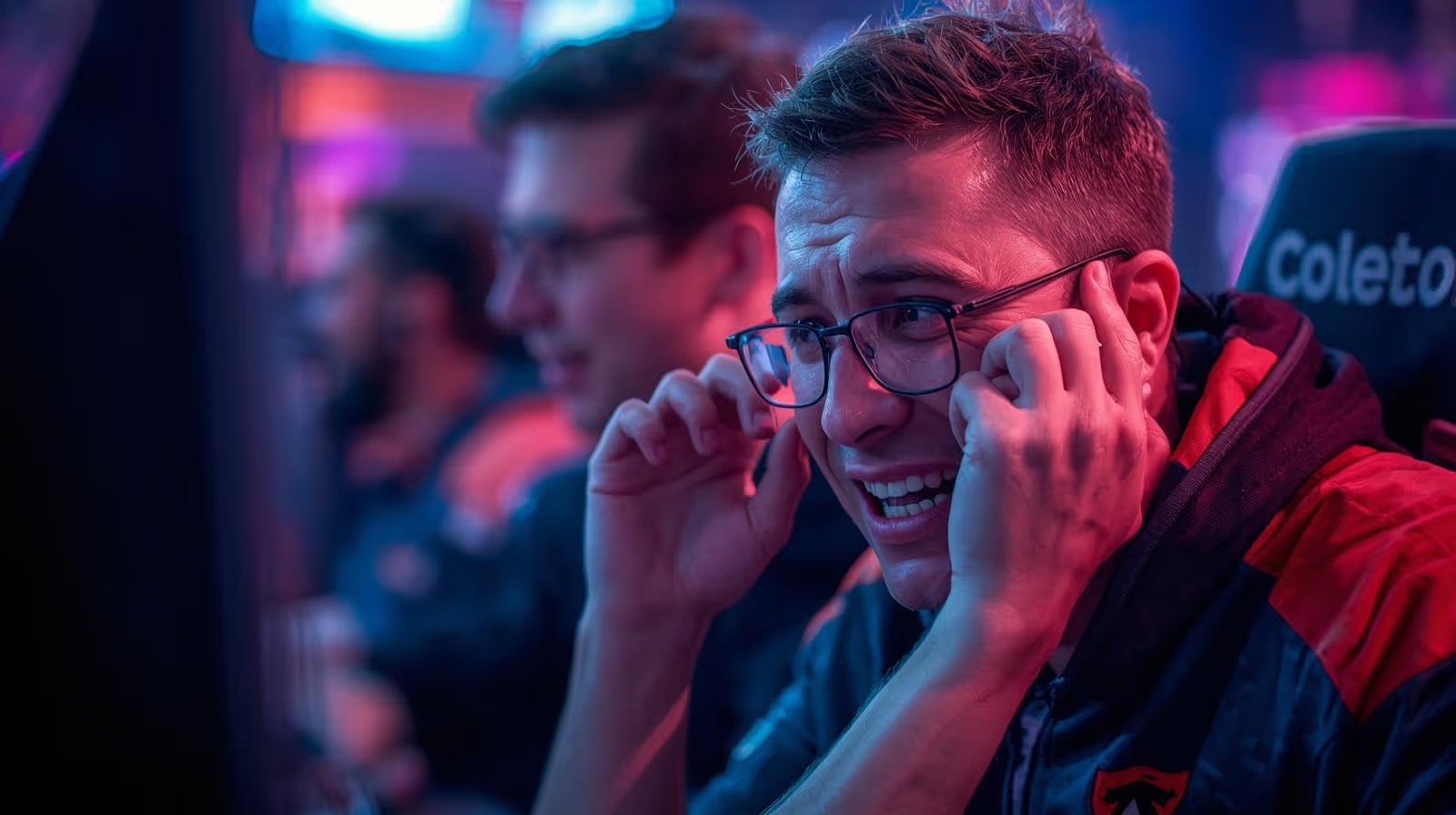
Picture this. The final scoreboard pops up, the losers lean back in their chairs, some with heads in hands. They shake hands, stand up, and wave to the audience. Instead of quiet, the arena explodes with applause. People shout the players’ names, hold up signs, and keep chanting even as the cameras cut away.
You hear:
- Team chants that keep going after the match is over
- Fans shouting “Thank you” or the team’s tag
- Loud clapping for players as they leave the stage
This breaks the usual pattern. At many events, fans cheer hard while their team is winning, then go silent or walk out once the loss hits. The energy dies the second the trophy lifts.
In esports, where online hate, flaming, and “ratio” replies are common, a crowd that cheers the losers sends a different kind of message. It says, “We still respect you. You gave us a show. You matter even when you lose.”
Why This Kind of Esports Crowd Is So Rare
Most esports crowds are passionate, but they follow a script.
They yell for their favorite team, hold signs for big stars, and spam chants when the home squad wins a round. When the rival team shows up, you might hear boos or mocking chants. If their own side starts losing, some fans get quiet, tilt, or leave early to beat the rush.
That kind of energy is common:
- Loud when things go well
- Angry or silent when things go wrong
- Focused mostly on one jersey, not the match itself
A crowd that stays and cheers both teams breaks that pattern. It means people care about more than just the scoreboard. They value the effort, the story, and the human side on stage.
This does not mean every other fanbase is bad. It just shows how rare full support for a losing team is. Most people find it hard to clap when they feel sad or frustrated. That is why the few times it happens, like at CWL London, people still talk about it.
Respect, Empathy, and the Human Side of Competition
Pro players are not robots. They feel nerves when they sit down on stage. They shake when they go to defuse a bomb in a tight round. They feel sick when they lose a series they thought they should win.
When the crowd turns on them, that pain gets worse. Boos, insults, or chants mocking a player’s name hit hard. Many pros scroll social media later and see the same thing in their mentions.
A respectful crowd flips that script.
When fans cheer a team that just lost, they send a clear message. “We see you as people first, players second.” That kind of empathy can turn a brutal loss into a memory that still carries pride.
Instead of:
“I choked on stage and everyone hated me,”
the player might think:
“We lost, but the crowd had our back. I want to come back and win for them.”
That is sportsmanship in action. Not just between teams, but between players and fans. It reminds everyone that behind every avatar and gamertag is a person with a headset, a heartbeat, and a family watching at home.
Inside CWL London: The Call of Duty Crowd That Would Not Go Home
CWL London has become a legend among Call of Duty fans for one main reason. The crowd did not act like a normal esports crowd.
From the first match to the final map, the arena felt closer to a packed football stadium than a standard gaming event. Fans brought that European football style with them. They had songs, chants, and jokes ready for every round.
People built a “beer tower” out of empty cans in the stands. The crowd laughed, chanted, and kept the energy up even between maps. No sleepy breaks, no dead air. Just noise, rhythm, and hype from start to finish.
Most important, the fans did not only cheer the favorites. They lifted every team, even the underdogs who walked in with little chance to win it all. By the time the final was over, staff had to push people toward the doors because nobody wanted to stop chanting.
Even if you were new to Call of Duty esports, you could follow what was happening. The crowd told the story with their voices.
How CWL London Turned Into a Legendary Esports Crowd Moment
So what made this event feel different from so many other tournaments?
First, the volume. The arena shook during big rounds. Every kill, every bomb plant, every clutch was met with full-body screams, not polite claps. Teams on stage talked later about how they could feel the floor vibrate.
Second, the style of support. Fans used football-style chants with simple, catchy lines. They would sing a player’s name in rhythm or clap in long waves across the stands. At times it sounded more like a packed derby than a gaming event.
There was humor too. When a player made a funny misplay, the crowd reacted, but not with cruelty. They laughed, chanted, then went right back to cheering once the player recovered. It felt like friends teasing each other, not strangers trying to tear someone down.
This kind of energy set a new standard for live Call of Duty crowds. Many pros later called it one of the best crowds they had ever played in front of. It showed that esports fans could bring big-sport atmosphere without losing respect.
Cheering Everyone: From Reverse Sweeps to Heartbreaking Losses
If you have watched Call of Duty for a while, you know how wild a reverse sweep feels. A reverse sweep happens when a team is down by a big margin in a series, then wins map after map to come all the way back.
The CWL London crowd lived for those swings.
If a team fell behind early, the arena did not go quiet. You could hear fans start fresh chants trying to will a comeback into existence. When a team started to fight back, every round win felt like a goal in extra time.
What made it special was that the noise did not depend only on who was winning. The crowd roared for clutch plays even when they came from the “wrong” side. Big holds, smart flanks, and bold pushes got respect, no matter the jersey.
That carried into the saddest moments too. After heartbreaking losses, when players looked crushed, the fans still gave them the loudest send-off of their careers. Some losing teams walked off with smiles because the cheers made the pain easier to hold.
Players’ Reactions: Why Pro Call of Duty Stars Loved This Crowd
Pro players talked for weeks about how CWL London felt.
On stage, some stars even joked with the crowd between rounds. A player would hype up the noise with a quick hand wave or smirk at a chant mid-map. When someone pulled off a huge multi-kill, the roar was so loud that even focused pros could not help but react.
One player dropped a huge streak while the arena screamed his name, staying locked in, then broke into a grin once the round ended. Others said in interviews that they had never felt that kind of support, win or lose.
The biggest impact came for those who lost. Walking off a loss is usually a lonely walk. At CWL London, it felt different. Pros said hearing cheers instead of boos after a defeat made them want to come back stronger. They felt like entertainers, not failures.
That kind of crowd can add years to a career. When players know that even a loss will not bring hate from the stands, they are more likely to stick with the grind.
How a Supportive Crowd Changes Esports: From Toxicity to True Hype
CWL London was not just one cool weekend. It showed what esports crowds could be at their best.
Everyone knows how ugly it can get when a live audience leans into hate. We have seen events where fans boo almost every play from a certain team, chant rude lines, or make the show feel hostile instead of fun. Online chat often gets even worse.
On the other hand, a crowd that backs both teams still brings hype, but without the poison. The games stay intense, the rivalries still matter, yet the line between passion and bullying does not get crossed so easily.
Good Vibes vs Toxic Noise in Esports Arenas
A crowd crosses the line when chants stop focusing on the game and start attacking players as people. Calling for a team to lose is one thing. Targeting a player’s looks, accent, or family is something else.
Toxic noise can:
- Scare away newer fans
- Make events feel unsafe for kids or families
- Turn a fun show into a stressful one for everyone
Good vibes look different. Fans still scream, but they scream for great plays, for tense clutches, for wild comebacks. They clap for both teams when the match ends. They might tease, but they pull back from pure hate.
That kind of crowd makes the arena feel like a party where everyone is invited, not a fight where someone has to be humiliated.
Mental Health, Pressure, and the Role of the Live Audience
Stage pressure is heavy. Many pros start their careers as teenagers. They carry the weight of an org, a region, and thousands of viewers.
Social media adds more pressure. After a loss, players often open their phones to angry DMs, harsh comments, and endless clips of their worst mistakes.
A kind crowd will not fix everything, but it helps. When a player walks off stage to cheers, their brain remembers that sound. It tells them, “You are still good. People still believe in you.”
That can:
- Lower stress after a hard loss
- Reduce fear of failure on big stages
- Help players avoid burnout and early retirements
Support for losing teams is not just about “being nice.” It is about building an esports scene where people can compete at a high level without breaking down under constant hate.
Why Sponsors, TOs, and Teams Benefit From Respectful Crowds
A positive crowd is not only good for feelings. It also helps the business side of esports.
Tournament organizers and broadcasters want hype moments they can replay forever. Clips of fans chanting for both teams and staying long after the final map look great in promos. Brands prefer to be seen next to joy, not bullying.
Teams also gain when their players feel safe on stage. Stars who do not dread the live crowd stay longer, stream more, and connect better with fans. That makes them easier to promote and easier to support.
When fans cheer the losing team, they keep that team in the story for the next event. Viewers want to see if they bounce back. That keeps rivalries alive and makes future brackets more exciting.
How You Can Be the Kind of Fan Who Stays to Cheer the Losing Team
You do not need to lead a giant chant to change the vibe of an event. Every fan has power, whether you are in the arena or watching from home.
Think of CWL London as a model. The people in those seats chose to back players as humans first. You can do the same in simple ways.
Simple Ways to Show Respect When Your Team Loses on Stage
Losing hurts. No one expects you to be happy when your favorite team gets knocked out. You can still keep your class.
A few easy habits help:
- Stay in your seat for the post-game moment. Let the players bow or wave and answer with applause.
- Clap for both teams at the end, even if you clap louder for your side.
- Skip booing individual players. If you need to vent, do it later in private, not at someone’s face.
You can be sad, tilted, or quiet, but when the losers stand up from the stage PCs, give them at least a round of respect. That small choice adds up when thousands of people do it together.
Cheering Skill, Not Just Jerseys: Supporting Great Plays From Any Team
One mindset shift can change how you watch matches. Try to cheer for skill, not just colors.
If an enemy player hits a crazy snipe, it is okay to groan for a second, then clap. If a rival squad pulls off a perfect setup, you can say, “That was clean,” even while hoping your team answers back.
This approach turns the arena from “us vs them” into “all of us watching something cool.” You still have your favorites, but you treat the game as the main star.
Over time, this makes live events more fun. Instead of feeling sick every time your team drops a map, you can still enjoy the action and the crowd energy.
Setting the Tone Online and Onsite for Future Esports Crowds
Crowd culture does not start at the venue door. It starts online.
Fan discords, group chats, and social feeds set the tone long before the first match. If everyone is spamming hate, that mood can carry into the arena. If people share clips of great sportsmanship, that spreads too.
You can:
- Share moments where fans cheer both teams or support a losing squad
- Praise good behavior from other fanbases when you see it
- Shut down or ignore calls for bullying-type chants
Little choices move the needle. If enough people follow that path, more events will feel like CWL London, with crowds that stay to cheer even when the scoreboard hurts.
Conclusion
That night at CWL London, the match was over but the story was not. The crowd refused to leave, refused to go quiet, and turned a painful loss into a loud, proud memory for the team that came second.
Support like that changes how players see themselves, how orgs build stories, and how esports grows as a scene. It pushes back against the worst parts of online culture and shows what true hype looks like without hate.
Next time you watch an esports match, whether you are in the arena or on your couch, you have a choice. You can add to the noise that tears people down, or you can be part of the crowd that stays to cheer the losing team and makes them want to come back stronger.