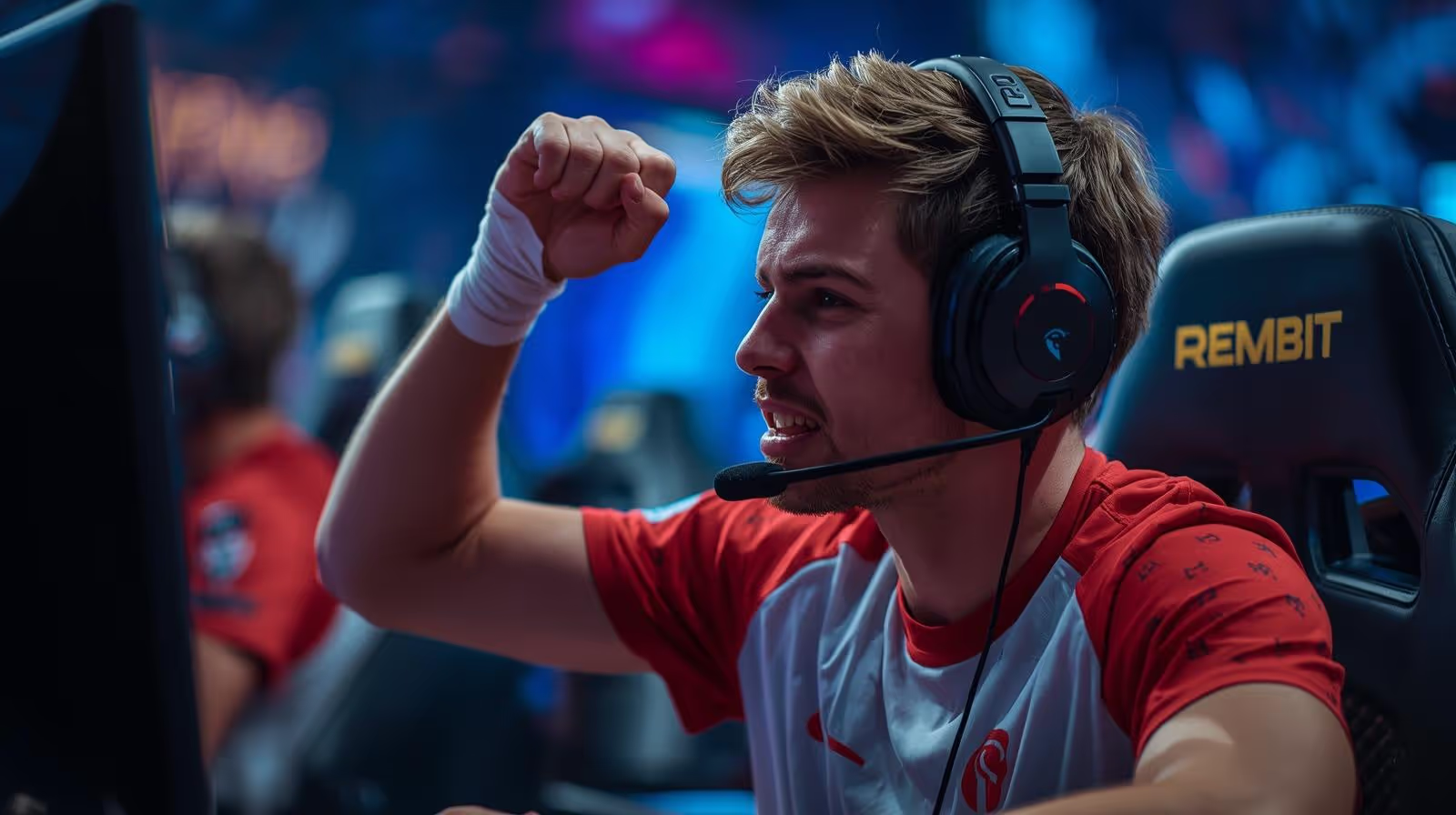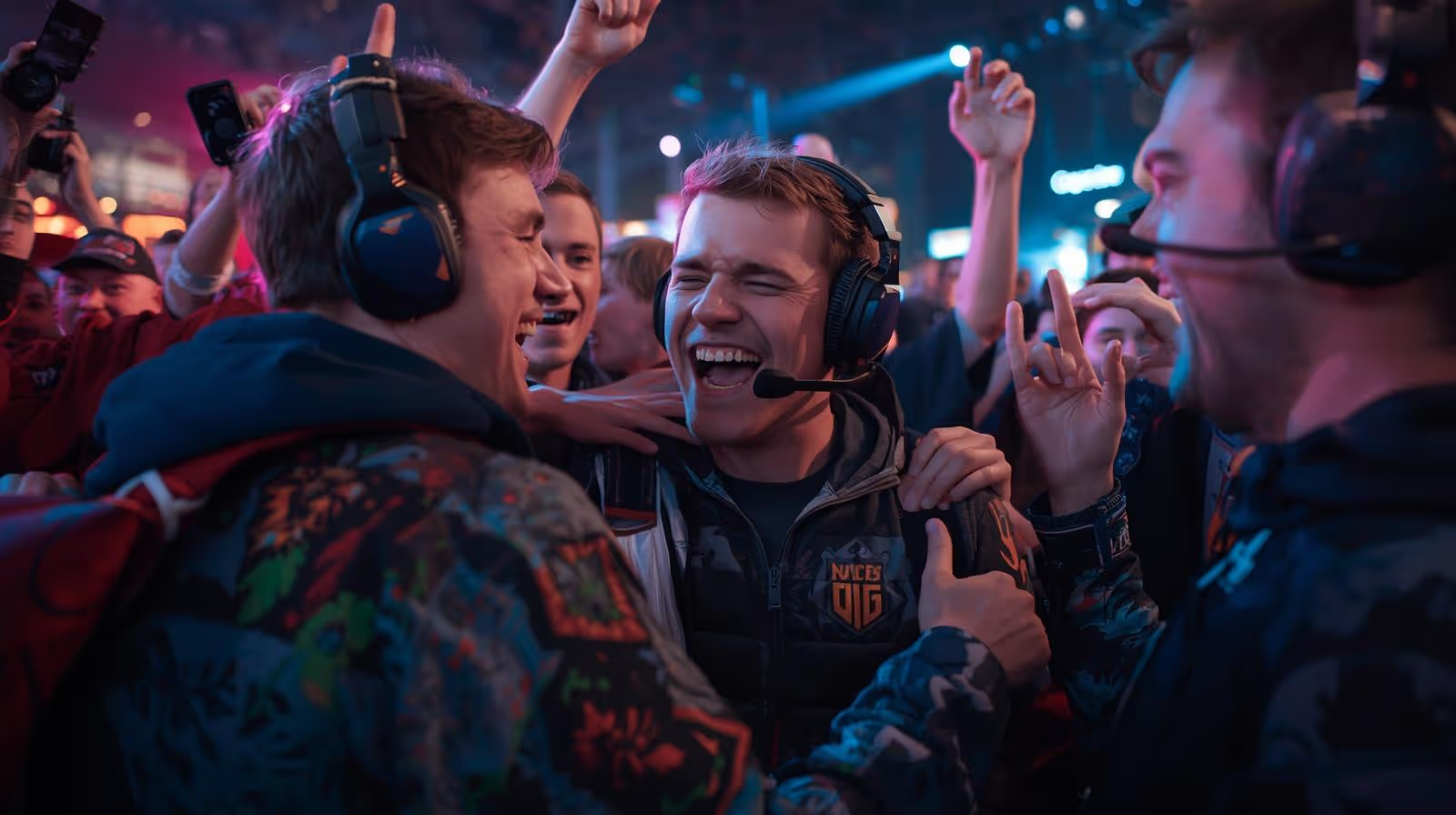

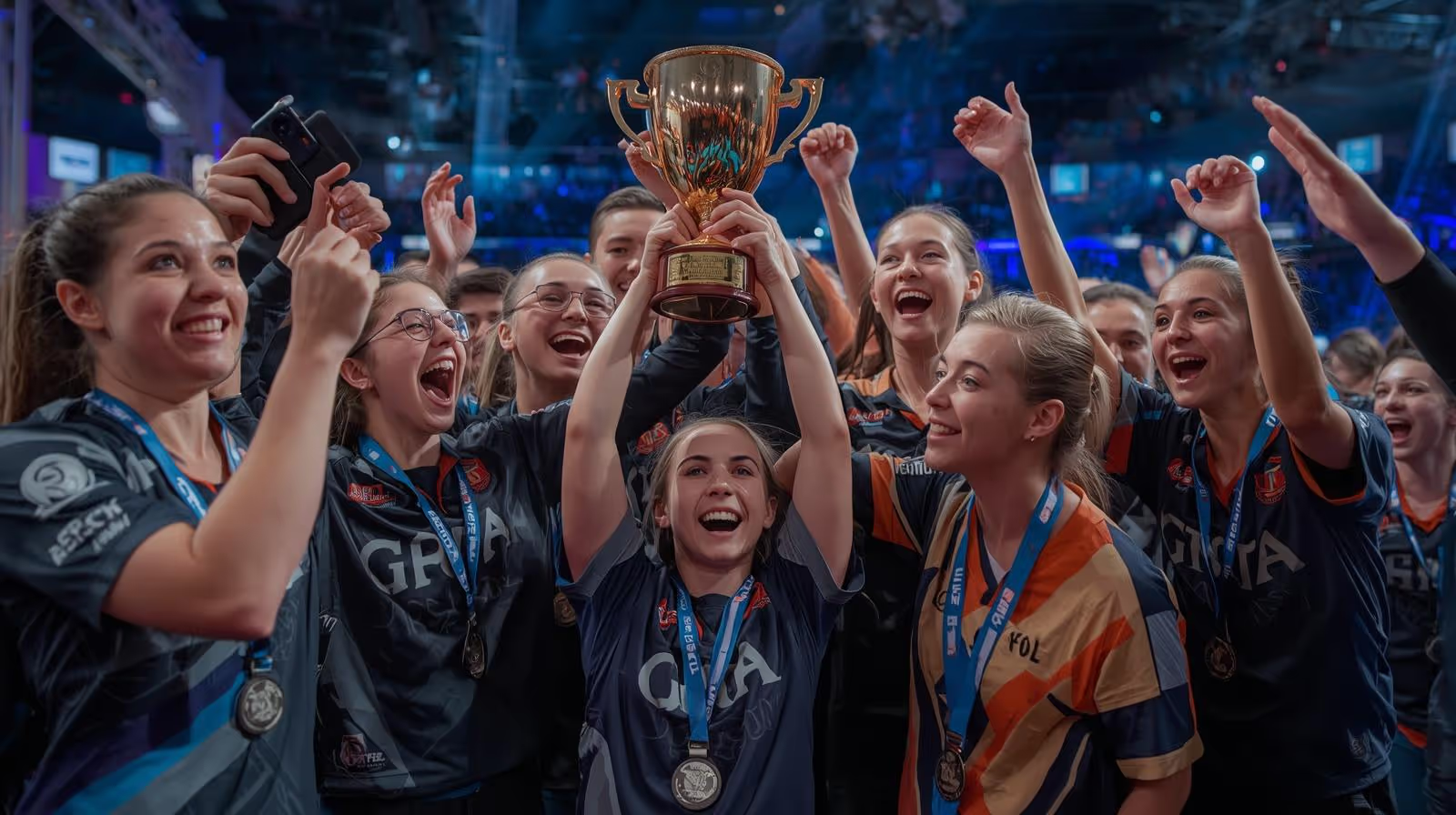

The lights are hot, the stage is slick with confetti, and the crowd noise feels like a wall. Five players stand in a tight line, hands still shaking from the last round. A staff member brings the trophy over, cameras zoom in, and everyone expects the captain or the star fragger to grab it first.
Instead, the veterans step aside. They guide the youngest player to the front, hands on their shoulders, and let them take the first lift. For a second, the rookie looks almost confused, then the trophy rises, and the team collapses into laughter and relief.
That tiny choice lands with fans because it doesn’t feel like PR. It feels like trust. It feels like family. It feels like the future getting welcomed on the biggest stage. This post breaks down what the moment means, why teams do it, what it can change inside a roster, and how coaches and orgs can make it real instead of forced.
Why letting the youngest player lift the trophy first feels so powerful in esports
Esports careers can be short. Rosters change fast, metas shift, and one bad split can turn a fan base cold. Young players walk into that pressure with less social armor, fewer chances to rebuild a reputation, and a comment section that never sleeps.
So when a team lets the youngest member lift the trophy first, it reads like a public promise: you’re not just here to fill a role, you’re one of us. When a veteran hands over the trophy, what message does that send to the rest of the team, and how does it shape the next season’s trust.
It also lands because esports audiences understand the grind. They know the trophy isn’t just a finals day highlight. It’s months of scrims, VOD review, and hard talks after ugly losses. The first lift becomes a symbol for all of that unseen work, packed into one clean gesture.
It flips the script from star player to team-first culture
Most esports titles still get marketed around a face. Sometimes it’s the IGL, sometimes it’s the laner who gets the most montage clips, sometimes it’s the player with the biggest stream. That’s normal, fans like a story, and orgs like a hero.
A youngest-first trophy lift quietly pushes back on that. It says the win didn’t come from one pop-off. It came from the boring stuff:
- the support who tracked every cooldown
- the anchor who held sites and died first without tilt
- the coach who kept the review honest
- the analyst who found the one map pocket pick that worked
On stage, the crowd sees one person raise metal. The team is saying, in plain body language, that the trophy belongs to everyone who showed up on the hard days.
It protects a rookie’s confidence without giving them a free pass
There’s a difference between support and coddling, and good teams know it. The first lift shouldn’t feel like a participation prize. It should feel like a receipt for real work.
That’s why the best versions of this moment have context. The rookie made the right call under pressure. They improved faster than anyone expected. They took feedback without getting defensive. They did the job, then did extra.
Fans can be ruthless with young players, especially after a loss where a single misplay gets clipped and replayed for a week. A public show of backing from teammates can blunt that damage. It tells the rookie, and everyone watching, that the team’s faith isn’t fragile.
The real reasons teams choose the youngest member for the first lift
People love the headline version because it’s clean and emotional. Still, teams don’t do it only for a feel-good moment. There are practical reasons too, and they show up across esports scenes, including League of Legends and Counter-Strike celebrations, even when the exact choice behind a trophy handoff isn’t always written down.
The trophy lift is one of the few moments the whole scene watches at once. Teams know that. Players know it too. The youngest-first lift can reward growth, spread pressure, and set the tone for what comes next.
A quiet thank you for the hard parts fans don’t see
Young players often carry the heaviest improvement load because they have the most to learn. That can look like talent from the outside, but inside a team house or practice room it’s usually repetition and humility.
A rookie may be the one who:
- watches extra VODs after the official review ends
- grinds ranked or pugs to fix a weak habit
- takes blunt feedback and comes back better the next day
- accepts a role swap or a new agent, champ, or weapon style
- expands a map pool so the team can draft with freedom
Those jobs don’t always show in stats, but the team feels them. Letting the youngest player lift the trophy first can be a simple way to say, we saw that work.
A signal to the org and the world that the future is already here
A trophy is a win, but it’s also a message. Rival teams watch how you celebrate. Fans watch who stands at the center. Sponsors watch which faces the camera finds, even if nobody says that part out loud.
When the youngest member gets the first lift, it can signal that the roster is not a one-off run. It suggests the system works, scouting worked, and the next era is already in motion. For fans, that’s comforting. It hints that the team won’t fall apart the moment the meta shifts or a veteran takes a break.
It also tells the rookie, in the clearest way possible, that they’re not temporary. That feeling can change how a young player practices the next day, because they’re no longer just trying to survive.
A pressure release for veterans who have carried the spotlight
Veterans often carry two weights at once. They carry leadership inside the team, and they carry blame outside it. After losses, it’s usually the known names who get targeted, even when the match was lost by a chain of small errors.
Sharing the trophy moment can be a release valve. It lets the veterans step out of the center for once, even if only for a minute. It can also help heal tension after a rough stretch, because the celebration becomes less about one person proving something and more about the group finally breathing again.
Leadership can be shown by giving away glory, and in esports, that kind of maturity stands out.
How this moment can change a roster after the confetti falls
A trophy lift is a snapshot, but teams live in the days after it. The plane ride home, the next scrim block, the first review where nobody wants to talk about mistakes because they just won, those are the moments where culture gets tested.
Letting the youngest teammate lift first can strengthen bonds fast, but it can also backfire if it’s handled badly. If your youngest teammate gets the first lift, how do you keep everyone else feeling valued, and how do you keep it from turning into a weird hierarchy.
The difference comes down to clarity and honesty, not camera angles.
It sets a standard for accountability and effort
When the youngest player lifts first, it can set a quiet standard: effort matters here, improvement matters here, taking review seriously matters here. It’s a reminder that the team rewards what happens between match days.
To make that standard stick, healthy rosters follow up off stage. Nothing fancy, just real habits:
A private thank-you circle: Each player says one thing they respected from another teammate during the run.
A staff shout-out: Coach, analyst, manager, and support staff get a direct thanks in person, not just a tweet.
A real reset plan: The team agrees on when the break ends and what the first week back looks like.
That’s how the trophy moment turns into a culture moment, not a clip.
It can build trust fast, but only if the locker room agrees
Forced celebrations feel weird, and esports fans notice fast. Players notice faster. If the team didn’t agree, the camera will catch the awkwardness.
The safest way to avoid backlash is simple: decide together. Include the coach and the people who will be on stage. Make sure everyone knows the reason, not in a vague way like “because you’re young,” but in a concrete way like “because your improvement and discipline kept our prep clean.”
A good rule is that the explanation should make sense even if the crowd never hears it. The rookie should feel proud, and the rest of the team should feel seen.
The healthiest teams share the spotlight in more than one way
A single trophy lift can’t carry an entire team culture. If the youngest-first moment is the only time the team shares credit, it starts to look like theater.
Teams that do this well spread recognition across the season in small ways:
Rotate interview voices: Let different players answer the first question, not just the star.
Share mid-round leadership: In smaller events or scrims, give another player veto input or calling reps.
Praise the unseen roles: Call out the anchor, the init, the support, the flex, the teammate who takes the hard jobs.
Post behind-the-scenes with purpose: Short clips showing review work, comms discipline, and staff prep build respect without trying too hard.
When the spotlight moves around all year, the trophy handoff feels natural instead of staged.
How teams and coaches can make the “youngest lifts first” tradition feel earned
This tradition works best when it’s simple. It should never distract from the event staff, stage rules, or the other team’s moment of respect. Still, with a bit of thought, teams can create a trophy lift that feels honest and stays inside the lines.
The goal is not to script emotion. The goal is to prevent a good idea from turning into an awkward scene.
Use clear reasons, not vague praise
If you’re a coach, captain, or content lead, you’ll get more value from one clear reason than from a long speech. Decide what the first lift stands for on your team.
Here are earned reasons that players usually respect:
- Clutch impact in the biggest rounds or fights
- Fastest growth across the split, with proof in review
- Best practice habits, on time, prepared, locked in
- Role sacrifice, taking on the uncomfortable job for the team
- Comms discipline, keeping the team stable under stress
Say the full reason in private first, while it still feels personal. Then keep the public version short. A simple line like “you earned this” lands better than a paragraph.
Plan the moment, but don’t over-produce it
Planning isn’t the same as scripting. You can agree on who lifts first, where everyone stands, and how to include staff, without turning the celebration into an ad.
A practical approach:
Agree before finals day: Decide early so nobody debates it under stress.
Pick a clean formation: Make sure every player is in frame and nobody is blocked.
Keep it to one line: The captain hands it over, says one real sentence, and then lets the team react naturally.
Respect stage flow: Trophy lifts have time limits, and staff are trying to keep the show moving.
If the camera catches an unplanned hug or a rookie tearing up for half a second, that’s the part fans remember. Not the pose.
Conclusion
Letting the youngest member lift the trophy first is a small act with a big message: you belong here. It works because it shows respect, it rewards real growth, and it can change how a roster trusts each other after the confetti is gone. Teams that do it right keep the reason clear, make sure the locker room agrees, and share credit all season, not just on stage. The wins fade, but fans remember the human choices that turn a championship into a story worth telling, and sharing your favorite trophy lift moment in your next chat or thread keeps that part of esports alive.