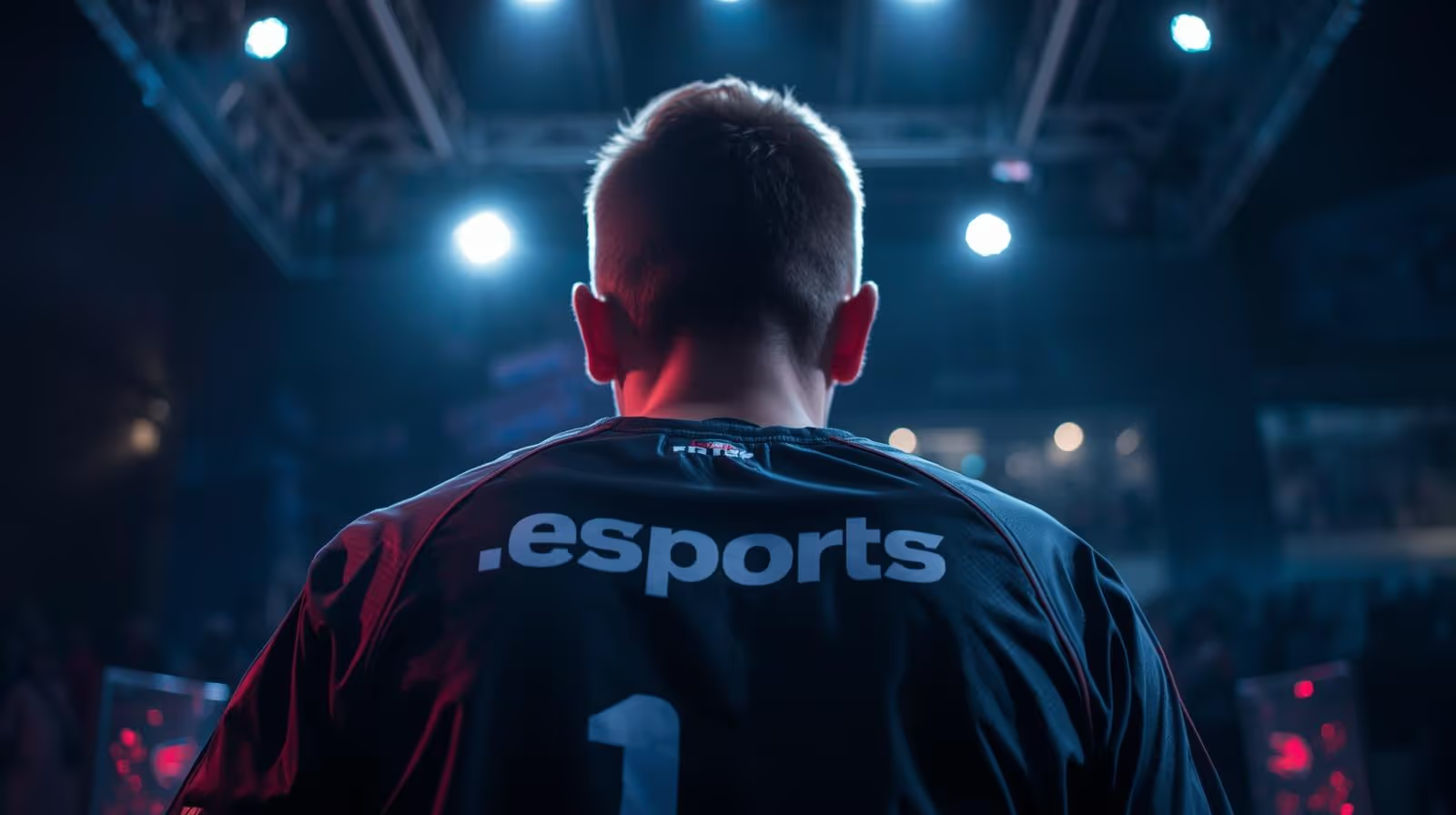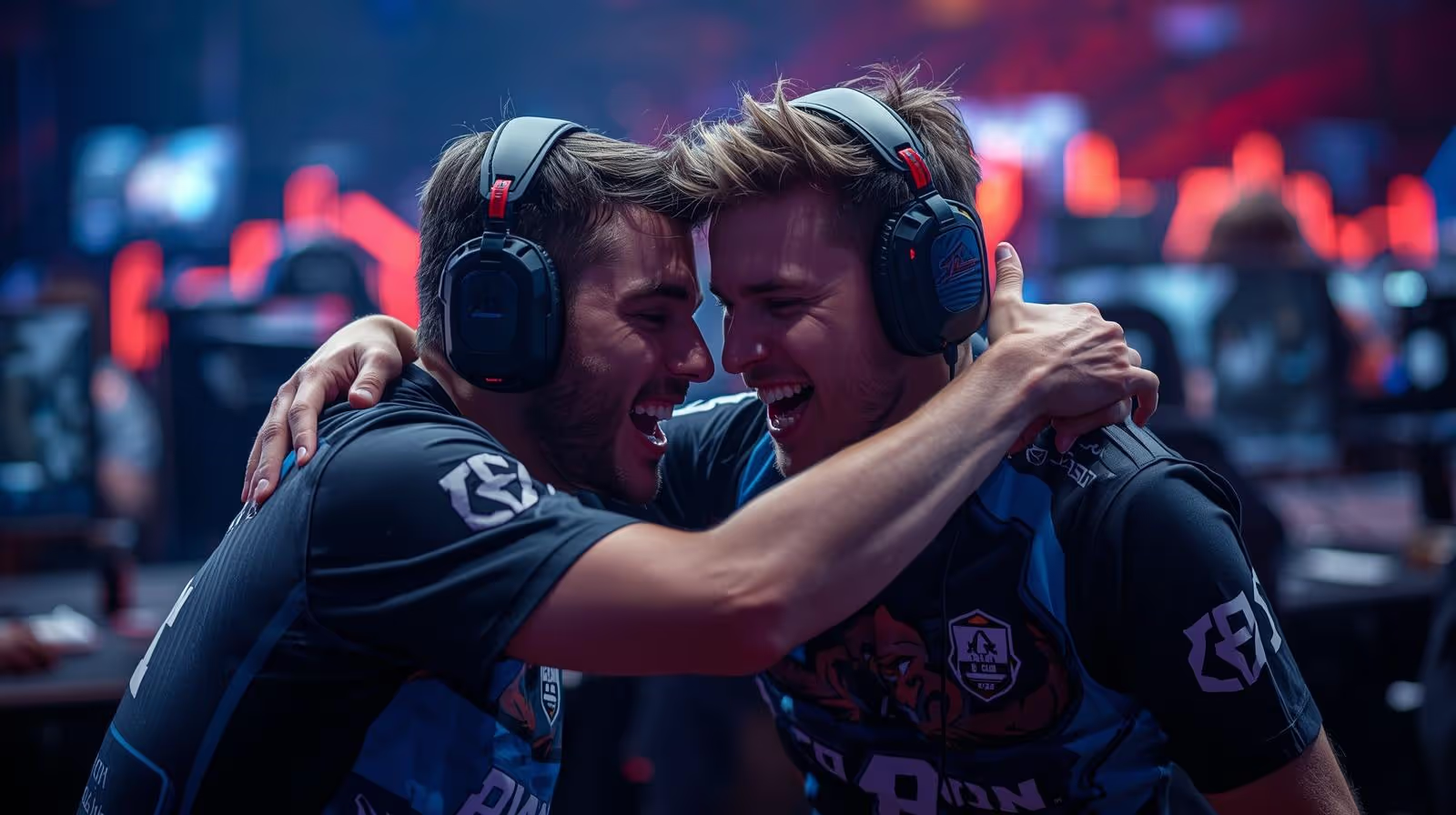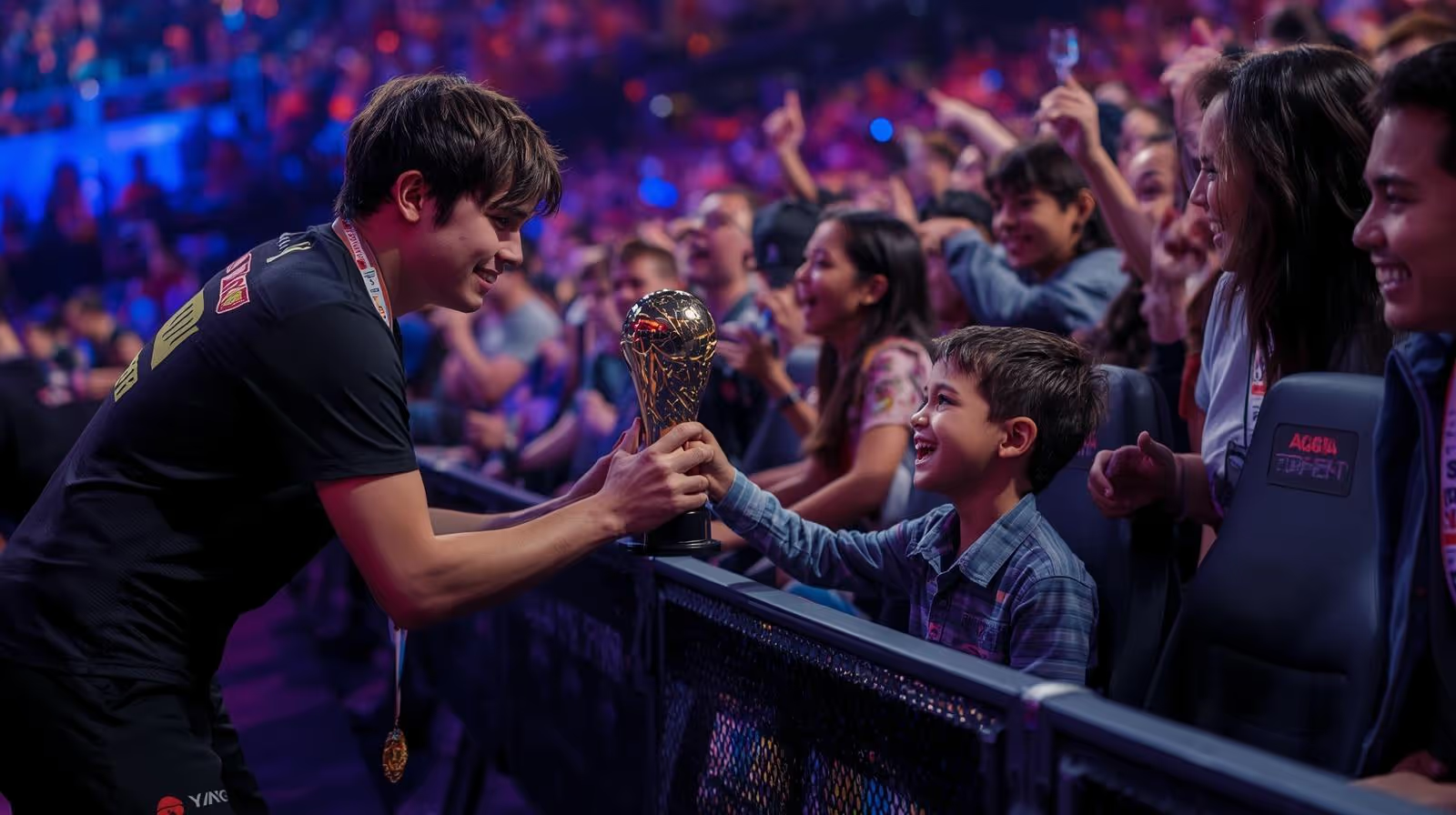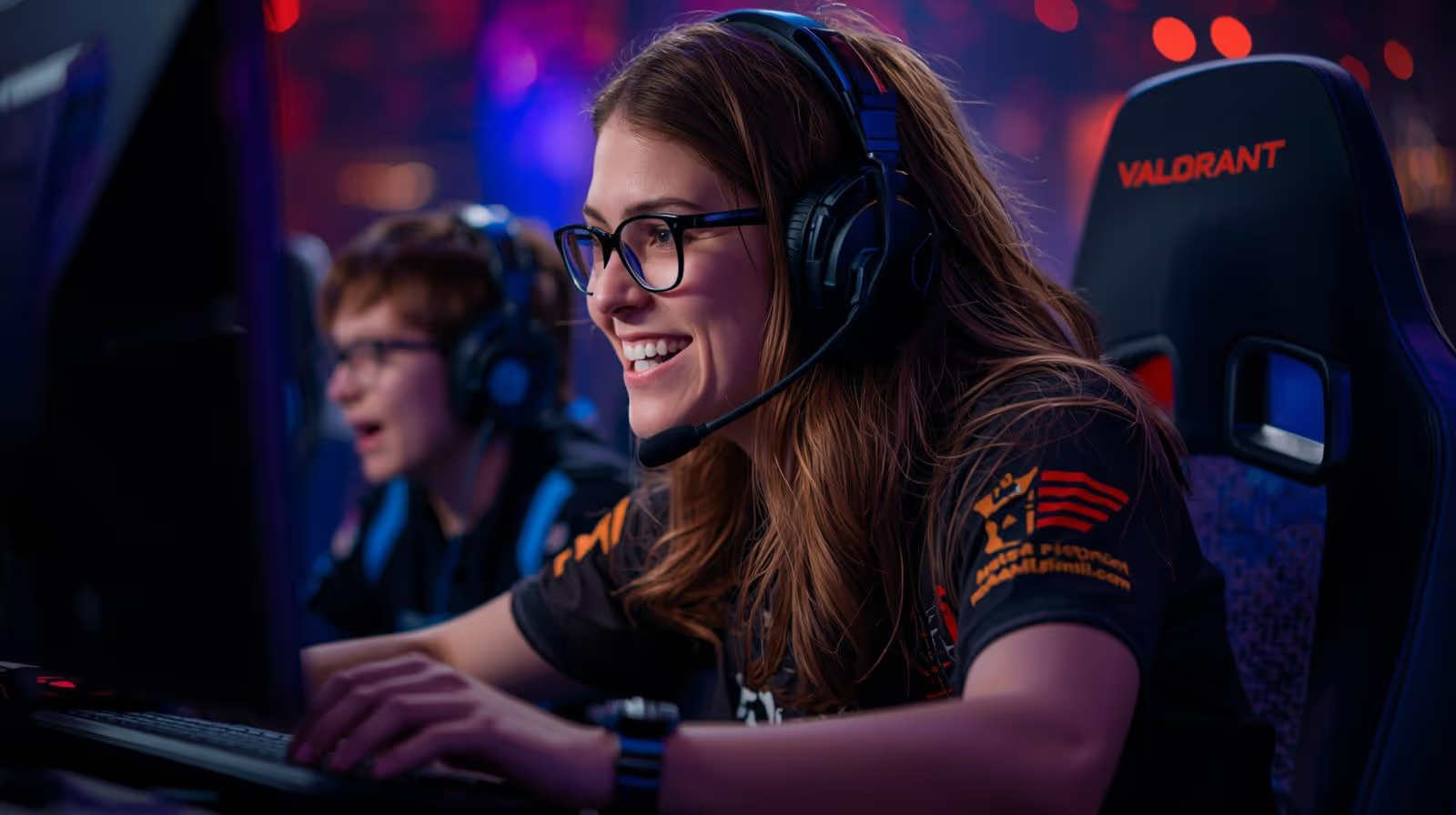

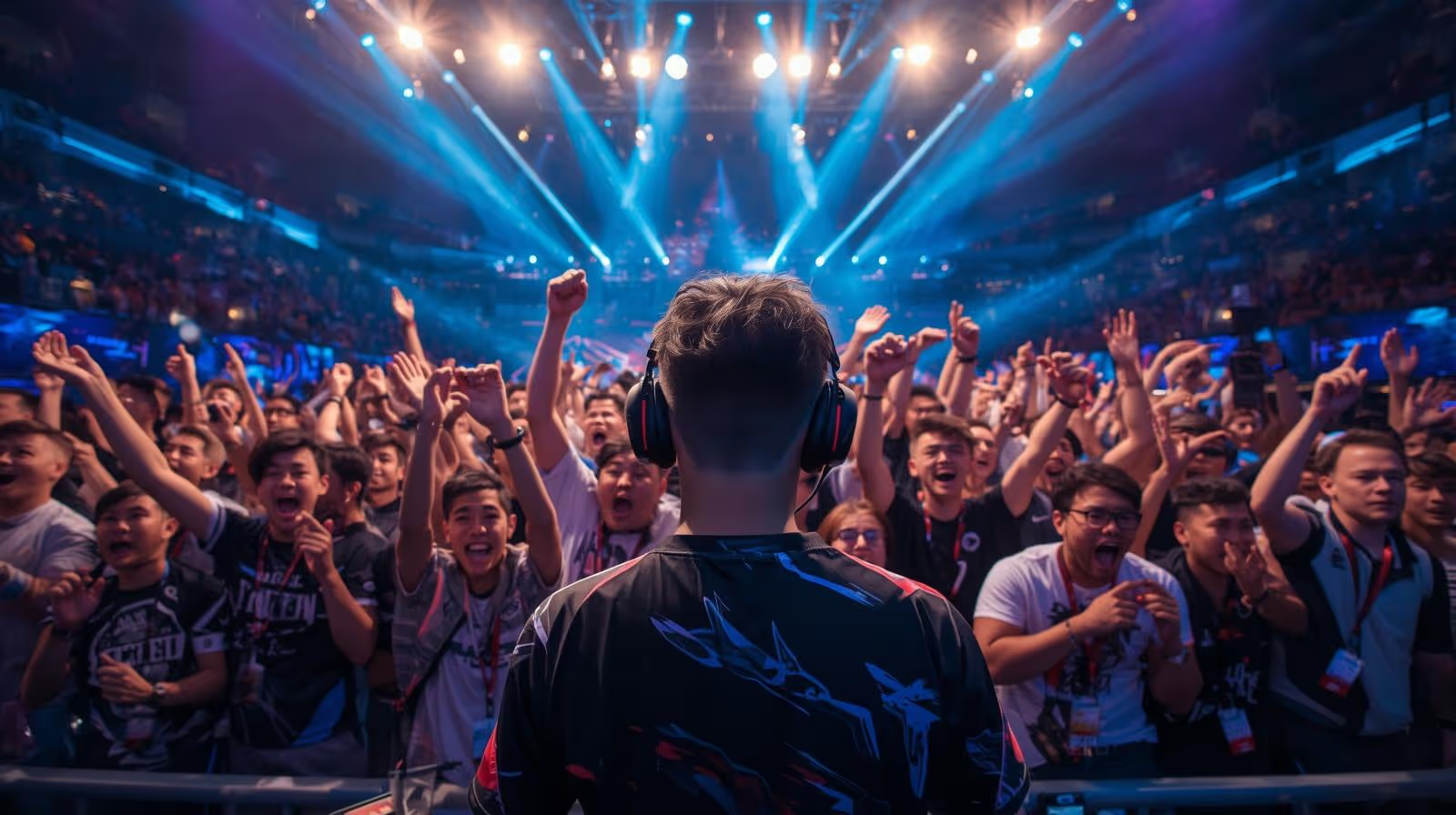

The arena lights are low. Player cams glow on the big screen. The crowd is buzzing during a pause in the match. Then, from one corner of the stands, a small group starts to sing. Within seconds, thousands of voices join in, and a full esports arena is singing Happy Birthday to one stunned player on stage.
How would that feel, hearing your name carried by that many people at once? For most pros, that kind of moment sits somewhere between a dream and a jump scare.
In traditional sports, fans celebrate birthdays with banners or quick announcements. In esports, the idea hits different. Chat spam, memes, fan cams, and parasocial bonds all blend into something that feels way more personal.
There are very few clear, documented cases of a whole esports arena singing Happy Birthday to a player. Most public birthday content lives in streams, clips, and social posts. So this article leans on close real examples, fan stories, and realistic scenarios based on how big-event crowds behave. The goal is simple: show why this kind of moment hits so hard, how it can shape a player’s career and brand, and what it says about esports culture as a whole.
Why a Whole Esports Arena Singing Happy Birthday Feels So Special
When thousands of fans sing to one person, it compresses the gap between screen and stage into a single point. That is the core of why it feels so special in esports.
Fans spend hours with players through streams, POV videos, and social posts. They know their jokes, their tilt moments, even their pets. Then one day, those same fans sit in a real arena and see that player under bright lights, playing for a trophy. The song becomes proof that the bond is not just chat messages scrolling past.
The moment is loud and chaotic, but the feeling is simple. People who only know each other by usernames and emotes act together like one group. For a few seconds, the match, the draft, and the score fade, and the player is just a human with a birthday.
From Chat Messages to Arena Chants
It often starts in the same place as everything else in esports: chat.
On stream, viewers spam “HBD” or cake emotes whenever a player mentions their birthday. Fan-run pages and Discord servers keep track of player birthdays in simple calendars. Someone drops a reminder a week before a big LAN, and plans start to form.
A few concrete steps can turn that online habit into a live arena chant:
- A supporter group posts in Discord: “Our star’s birthday lines up with the quarterfinal. Let’s sing during the next timeout.”
- Fans print signs with “Happy Birthday” messages, or simple cake drawings and the player’s tag.
- On the day, they sit close together, usually in a fan section behind the team or near the stage.
When the match hits a pause, that group starts the song. People nearby recognize the name from streams and chat memes, then they join in. The same social pull that makes Twitch spam scroll at light speed now works through air and concrete instead of pixels.
Why Fans Care So Much About One Player’s Birthday
Esports fans often watch the same players almost every day. Scrim leaks, ranked grind, variety days, IRL streams, they are all part of the routine. Over time, fans feel like they know the player as a person, not just as a nickname on a bracket.
This is where parasocial relationships come in. In simple terms, fans feel close to the player, even though the player does not know them back on the same level. They know the player’s favorite snack, their music taste, their worst throw in a big match.
Because of that, a birthday does not feel like just another date. It feels like a chance to give something instead of always asking for clutches, pop-off plays, or camera shoutouts. Singing in the arena is a way to send energy back to the person who has been there on their screens for years.
For underdog players or veterans who have gone through slumps, the birthday song can feel even stronger. Fans see their grind, remember old heartbreaks, and want to show they still care, win or lose.
How a Short Song Can Shift the Mood of a Whole Event
A full series can be tense. Map fives, overtime rounds, long pauses for tech issues, all of that builds stress. Then, out of nowhere, the crowd breaks into Happy Birthday.
The song acts like a soft reset. Players who were locked in and stone-faced crack a smile. Teammates clap along. Even the opposing side often laughs and taps their desk with their fingers.
Casters can help carry that mood. They lower their voices, let the crowd be heard on the broadcast, maybe drop a quick line like “Crowd paying respect to today’s birthday star.” Cameras cut to a close-up of the player, a shot of the singing section, then a wide view of the whole arena.
That short break can stick in people’s minds longer than a single clutch or retake. After the event, fans do not just remember the score. They remember “the map where everyone sang for him right before overtime.”
What Really Happens When the Crowd Sings Happy Birthday at an Esports Event
Because there are almost no widely recorded examples of full arenas singing Happy Birthday to a player, the best way to explain it is as a realistic composite. Everything in this walk-through comes from how fans, staff, and broadcast crews actually behave at big LANs.
You can picture it as a highlight reel that never got uploaded, but easily could have.
How the Moment Starts: From One Section of Fans to the Whole Arena
The spark is usually small. A fan group behind the player’s booth holds up “Happy Birthday” signs during a tactical timeout. Someone in that block starts singing, a bit off-key, a bit too loud.
Sound behaves oddly in esports arenas. It bounces off the stage setup, LED screens, and ceiling panels. People a few rows away hear the start of the song, realize what is going on, and join in by the second line.
Staff and security watch closely at first. As long as it is a short chant in a dead moment and no one is throwing objects or blocking aisles, most events let it happen. Players often have white noise or in-ears, but Happy Birthday is so familiar that they still feel it.
Within ten seconds, the cloud of sound spreads. You hear pockets of voices matching each other, then the whole arena settles into one shared tempo.
Casters, Hosts, and Production: Turning a Song Into a Viral Clip
On the broadcast side, everything moves fast.
Casters hear the song through their headsets and the arena speakers. They cut their analysis mid-sentence, laugh, and step back to let the audience audio come through. The producer calls for a wide shot to show just how many people are singing.
Then the production crew adds layers:
- A close-up of the birthday player trying not to laugh.
- A reaction shot from the opposing team smiling or clapping.
- A simple lower-third graphic with the player name and “Happy Birthday!” tag.
At the desk, the host might call back to it after the round, adding a line about how the arena has “adopted” that player for the night. Editors mark the timecode for socials. Within minutes, a short clip is ready for platforms, with clean audio and a clear sense of scale.
This is where the moment jumps from a nice live memory to something that can loop forever on timelines.
How Players React on Stage When Thousands Sing to Them
Not every player reacts the same way when they realize the song is for them.
Some grin right away, wave to the crowd, and mouth “thank you.” Others hide their face behind their hands or jersey collar, trying not to break focus. A few stare at their monitor and pretend not to hear, but the slight shake of their shoulders gives away a smile.
Teammates often make it even funnier. They nudge the birthday player, clap in time with the song, or drum on their desk. You might see one player point up at the big screen to show them their own face.
There is usually a mix of pride and pressure. Pride, because it means people cared enough to remember and sing. Pressure, because now you really do not want to whiff your next spray right after the entire arena chanted your name.
What Teams and Org Staff Do Behind the Scenes
Behind the cameras, support staff are busy too.
Coaches and managers may have already arranged a small cake in the practice room, a custom jersey with a birthday message, or a quick photo session with fans after the match. They also keep an eye on timing so nothing disrupts the player’s warm-up or mental prep.
Social media managers sit in the press area or production room with clips on standby. As soon as the song happens, they:
- Grab the broadcast clip or a clean angle from their camera op.
- Add short subtitles or a caption.
- Post it on team accounts with a thank-you line to the fans.
The best staff strike a balance. They treat it as a human moment first and a content moment second. The player feels supported, not used for clicks.
From Arena Moment to Online Legend
After the event, the birthday song begins its second life online.
Clips hit Twitter, TikTok, Instagram, Reddit, and fan-run channels. People edit slow zooms on the player’s face. Someone makes a meme overlaying the song with a famous clutch they hit later that day. GIFs from the moment get used whenever that player has a big play in future matches.
For new fans, the clip becomes part of the player’s origin story. “That is the guy the whole arena sang to.” Supporters reference it in chat, make fan art, and bring it up on anniversaries.
Over time, that one short song turns into a community story. It is a shared “we were all there” moment for anyone who watched it live or clicked play later.
Why Happy Birthday Moments Matter for an Esports Player’s Brand and Career
On paper, a birthday song is just a few seconds of crowd noise. In practice, it can do a lot for a player’s long-term value, both emotionally and professionally.
Events create exposure. Human moments create attachment. When those two lines cross, you get something that can outlast any one season.
Building a Stronger Player Brand With Human Moments
Fans rarely quote a player’s season KDA when they talk about why they love them. They talk about stories. The time they cried after a loss, the joke that became a meme, the moment a whole arena sang for them.
A birthday song is an easy way to stand out from a long list of pros. It shows that people care about that player as a person. Later, if they swap teams or even move to a different title, that memory moves with them.
If the player leans into it in a natural way, the effect grows. They might:
- Talk about the experience on stream.
- Share behind-the-scenes photos.
- Thank the arena in a short video.
All of that builds a brand that feels human, not just mechanical aim and clean comms.
How Sponsors and Orgs Use These Moments Without Killing the Magic
Smart teams and brands treat these clips as gifts, not products.
They might post a short recap with a clean logo in the corner, run a small birthday giveaway, or add the moment to a “best of the year” highlight reel. They keep messages simple and focus on the fan energy.
The trap is squeezing it too hard. If every frame is covered in ads or the caption feels like a commercial, the magic drains out. Fans can tell when something that felt honest in the arena turns into pure marketing online.
The best approach mirrors how the crowd acted: quick, warm, and a little messy. Thank the fans, tag the player, and let the clip speak for itself.
Mental Health and Confidence Boosts for the Player
Comp life in esports is heavy. Long scrim blocks, constant travel, patch changes, public losses, and a stream of online criticism all pile up. It is easy for a player to feel like they are only as good as their last stat line.
A whole arena singing Happy Birthday cuts through that noise. It tells the player, “We see you as more than just your rating.” That feeling can stick around long after the event.
For some, it becomes a point they look back to during rough patches. They remember the sound of thousands of people cheering their name and feel a little more grounded. It will not fix burnout or deeper issues by itself, but it can be a real spark of joy in a tough season.
Turning a Birthday Song Into Long-Term Fan Loyalty
The song is only the start. What happens after can turn a nice moment into real long-term support.
Simple follow-ups work best:
- Thanking fans during the next stream and watching the clip together.
- Signing a few “Happy Birthday” signs or posters for fans who brought them.
- Talking about the nerves and surprise in a vlog.
Fans feel like characters in the story, not just an audience. That sense of shared ownership makes them more likely to stick around for future events, merch drops, or content series tied to that player.
How Esports Events Could Make Birthday Arena Moments More Common
If more events supported these moments in a smart way, they could become a small but steady part of esports culture. The key is to keep it fun, safe, and respectful of matches.
Tournament organizers, teams, and fans all have a role to play.
Smart Ways Tournament Organizers Can Support Birthday Celebrations
Event staff can do a lot with a few light touches.
They might:
- Add a small “Today’s birthdays” line in pre-show graphics.
- Give the host a short script note to mention a player birthday during a break.
- Allow a quick, timed song between maps, then cue casters to bring focus back to the match.
Clear rules matter. Chants should stay positive, never target other players, and never delay the schedule. Simple coordination with team reps and stage admins keeps things smooth, from sound checks to timing cues.
How Teams and Players Can Prepare for Birthday Hype
Teams can talk through birthday plans well before event day.
Some players love big public moments. Others find them draining. Staff should ask:
- Do you want your birthday mentioned on broadcast?
- Are you okay with the crowd singing?
- Any limits on pranks or content?
Agreeing on simple boundaries keeps the day fun rather than stressful. If the player wants to keep it low-key, teams can still celebrate privately backstage and skip arena callouts.
What Fans Can Do to Celebrate a Player’s Birthday Respectfully
Fans drive these moments, so their choices shape the tone.
Good guidelines include:
- Bring signs and posters instead of objects you might feel tempted to throw.
- Coordinate any songs or chants with supporter groups so they stay short and focused.
- Follow staff rules about noise, cameras, and where you can stand.
Online fans can join in too. They can draw fan art, start light-hearted hashtag chains, or sing during watch parties and tag the player in clips. The goal is to send support, not pressure.
Conclusion
A whole arena singing Happy Birthday to a single player is a simple act, but it carries deep meaning. It shows what esports does best: turn distant screen names into a real crowd, and turn pros into people that fans feel close to.
For players, it can become a lifetime highlight and a quiet boost during hard seasons. For teams and brands, it is a reminder that the strongest value comes from honest, human moments, not just wins and numbers. For fans, it is proof that their voices matter in building player stories and shared memories.
As live events grow, the choice is ours. We can build a scene where chants tear people down, or one where a short song can lift someone up. The next time an arena breaks into Happy Birthday, it will not just be about one player, it will be about the kind of esports culture everyone in the room is helping to shape.