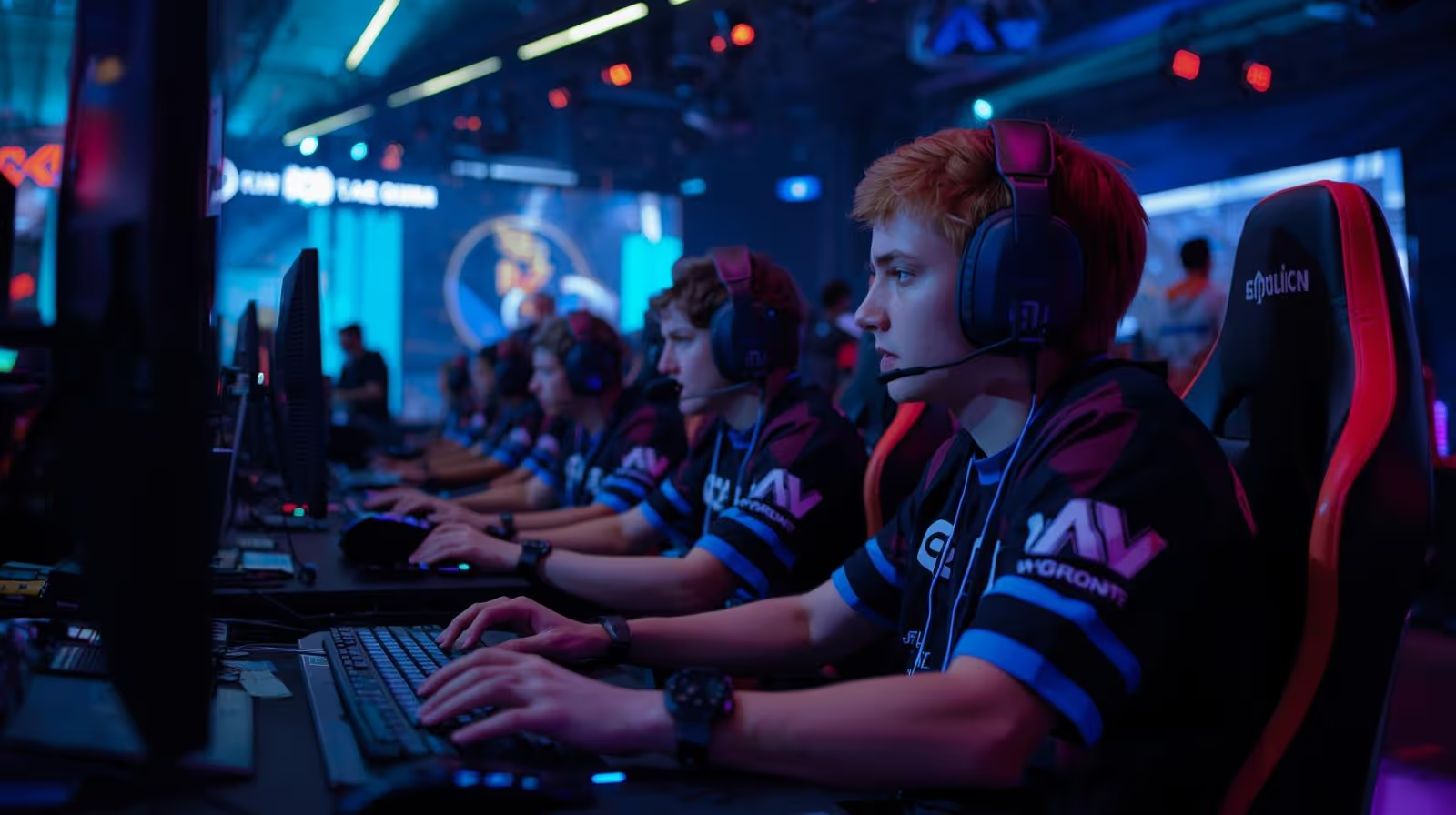


Is your child talking about ranked ladders, scrims, and tournaments before they even hit their teen years? Parents hear “esports” and often think of harsh chat, late-night queues, and games that look far too violent for a young player. It does not have to be that way.
This guide walks through best games for kids under 13 to start competitive play in a safe, age-appropriate way. The focus is on titles that youth esports programs already trust, with family-friendly ratings, clear rules, and real league support.
Choosing the right game early helps a child grow skills, avoid toxic spaces, and stay excited about esports for years. With a bit of guidance, you can turn their interest in gaming into a structured, positive hobby instead of a constant fight about screen time.
How To Choose The Best Competitive Game For Kids Under 13
Parents do not need to be expert gamers to help a child pick a starter esport. A few simple rules go a long way: check ratings, think about content, look at real youth leagues, and keep safety in mind from day one.
Check game ratings, content, and pace first
Start with ratings. In North America, the ESRB labels games:
- E (Everyone) for all ages
- E10+ for ages 10 and up
For preteens, stay in that range. If a game needs a Teen or Mature rating because of blood, strong language, or realistic weapons, it is usually not a good fit for an under-13 starter title, no matter how popular it is in pro esports.
Fast action is fine; many great youth games are quick and intense. The key problem is not speed, it is graphic content. Colorful visuals, simple character designs, and clear animations help young players read what is happening and keep the tone light in tense matches.
Look for games used in real youth esports leagues
A big filter for parents is simple: is this game used in real youth or school leagues?
Programs like NASEF, XP League, YMCA esports groups, and school clubs often feature the same core titles again and again. Common picks include Rocket League, Mario Kart, Splatoon, Super Smash Bros, Minecraft mini-games, and online chess.
Those choices are not random. These games have clear rules, good spectator value, and formats that work for classes or teams. When you choose from that pool, your child is more likely to find:
- Local or online tournaments
- Coaches or mentors
- Other kids at the same level
Search your town name with “youth esports,” “school esports,” or the game title to see what is active near you.
Prioritize teamwork, communication, and sportsmanship
When you pick a first esport, you are not just picking a game, you are picking the lessons your child will learn every week. What do you want those lessons to be?
- Team games like Rocket League or Splatoon push kids to talk, share roles, and trust teammates.
- 1v1 games like chess or Smash build focus, emotional control, and personal responsibility.
The best starter games give regular chances to practice good habits: staying calm after a bad play, lifting up a teammate who is struggling, or saying “good game” even when the result hurts. Talk about these habits before you talk about winning.
Build in safety: chat filters, private lobbies, and parent oversight
Every online game has some risk. That is why the starting rule for under-13 players should be: no random match queues at first.
Better options:
- Private lobbies with school friends
- Matches run by a coach or club
- Whitelisted or invite-only servers
Use tools that most platforms already provide: chat filters, block and mute buttons, friend-only invites, and parental controls that limit playtime and spending. Keep the gaming setup in a shared space when possible and sit in on a few matches. When kids see that parents understand the basics, it is easier to talk about problems if they come up.
Best Non-Violent Esports Games For Kids Under 13 To Go Competitive
Want serious competition without guns or graphic combat? These titles show that a game can be intense and skill-based without heavy violence.
Rocket League: The top starter esport for younger players
Rocket League is simple to explain and deep to master. It is “cars playing soccer,” usually in a 3v3 format, with teams trying to knock a giant ball into the other goal.
Why it works so well for younger players:
- Rated E, with no combat
- Clear, simple objective parents can follow
- Strong youth league support in schools and clubs
Under-13 teams often practice basic mechanics like driving, jumping, and hitting the ball cleanly. As they grow, they add aerial shots, rotations, and set plays. The game teaches spacing, positioning, and quick decisions, all without gunplay or scary content. It is easy for parents to watch and cheer, even if they never touch the controller.
Mario Kart and other kart racers: Fun racing with real tournament formats
Mario Kart and similar kart racers are classic family games that also make strong entry points into organized esports. Races are short, the controls are easy, and the visuals are bright and friendly.
Kids can compete in:
- Time trials
- Free-for-all cups
- Team-based point races
Strong players learn track layouts, drift timing, and when to use or hold items. They also practice handling nerves when they are in first place and everyone is chasing them.
Many homes already have a family console with a kart racer installed. That means a child can start practicing on the same device they will use in school clubs, local events, or online youth cups, without extra cost.
Minecraft mini-games and build battles: Creative competition for young minds
Not every child loves fast movement or tight reaction windows. Some kids would rather build, design, and plan. Minecraft gives those players a real way into competitive play.
Common kid-safe formats include:
- Build battles on a theme
- Parkour and obstacle courses
- Bed-wars or capture-style games with gentle settings
Parents or schools can control servers, use trusted providers, or join organized networks that moderate content and chat. Minecraft competitions build creativity, problem solving, and planning, especially when kids work together on a shared base or project.
For a child who lights up when building huge structures instead of chasing enemies, Minecraft competition can be the perfect blend of esports structure and creative play.
Online chess: A classic 1v1 esport that suits all ages
Chess has always been competitive; online platforms turned it into a modern esport. Kids can play ranked matches, join school teams, and enter tournaments without leaving home.
Chess is quiet and turn-based. That pace is ideal for children who do not like frantic action or struggle with fast input. They still compete but have time to think.
Skills gained include:
- Long-term planning
- Short-term calculation
- Pattern recognition
- Patience under pressure
Start with a local or school chess club if you can. Then use online play for extra practice, with a parent account or careful supervision. Good coaches often talk about “thinking after you blunder” and “fighting on in bad positions,” which are great mental skills outside of games too.
Best Team Battle Games For Preteens Entering Competitive Esports
Some kids want more direct clashes, but parents do not want realistic weapons or gore. These options offer action in a cartoon or fantasy style that many families find acceptable.
Splatoon-style ink shooters: Colorful team play without graphic violence
Splatoon-style games replace bullets with paint or ink. Teams try to cover the map in their color, control space, and complete simple objectives. Even when a character “gets splatted,” it looks playful, not frightening.
In organized play, kids learn:
- Map control and rotation
- Roles such as support, slayer, or anchor
- Timing pushes around key moments
Some school and youth programs already use these games as a bridge between pure party titles and more serious teen esports later. With strong parental controls and private lobbies, they offer team strategy without dark themes.
Super Smash Bros. Ultimate: Friendly fighting that builds timing and spacing
Super Smash Bros. Ultimate is a platform fighter where characters try to knock each other off the stage, not drain a health bar to a gruesome end. The style is cartoon-like, and kids often recognize the characters from other family games.
Smash works well for:
- 1v1 brackets in local events
- Small, in-person clubs around one shared screen
- Quick sets that fit into short practice blocks
Beginner kids can enjoy simple moves and jumps. As they grow, they learn spacing, combos, reading an opponent, and staying calm when a whole room watches a close last stock. Good organizers set clear rules, such as stage lists and time limits, which teaches kids to respect structure and refs.
Party brawlers and arena games: Safe ways to learn pressure and crowds
There are many party brawlers and arena titles where small characters push each other off platforms, rush through obstacle courses, or complete silly mini-games. Think of them as digital field day events.
Youth clubs often use these games when:
- Hosting first tournaments for new players
- Running school fun nights or family brackets
- Teaching event basics before moving to serious leagues
These matches are great for learning how to borrow a controller, listen to rules, sit on stage, and accept a loss with a smile. Pressure is real, but the stakes feel light and the visuals are goofy, which helps shy kids warm up to public competition.
Helping A Child Under 13 Take Their First Steps Into Competitive Play
Picking the right game is only half the job. The other half is helping a young player build healthy habits and a clear path into real competition.
Start casual, then move into structured practice and scrims
Every strong player started out just pressing buttons and laughing with friends. Keep that spirit, but add a little structure once your child decides they want to compete.
A simple path looks like this:
- Learn the game basics in casual play.
- Set small goals, such as “hit open nets” in Rocket League or “finish this track clean” in Mario Kart.
- Add light practice routines, like dribbling drills, time trials, or tactic puzzles.
- Join custom matches or scrims against other kids instead of jumping right into intense ranked queues.
Structure helps kids see progress without turning gaming into a job. Ask them what they want to improve this week and write it on a sticky note near the screen.
Find youth leagues, school clubs, and safe online events
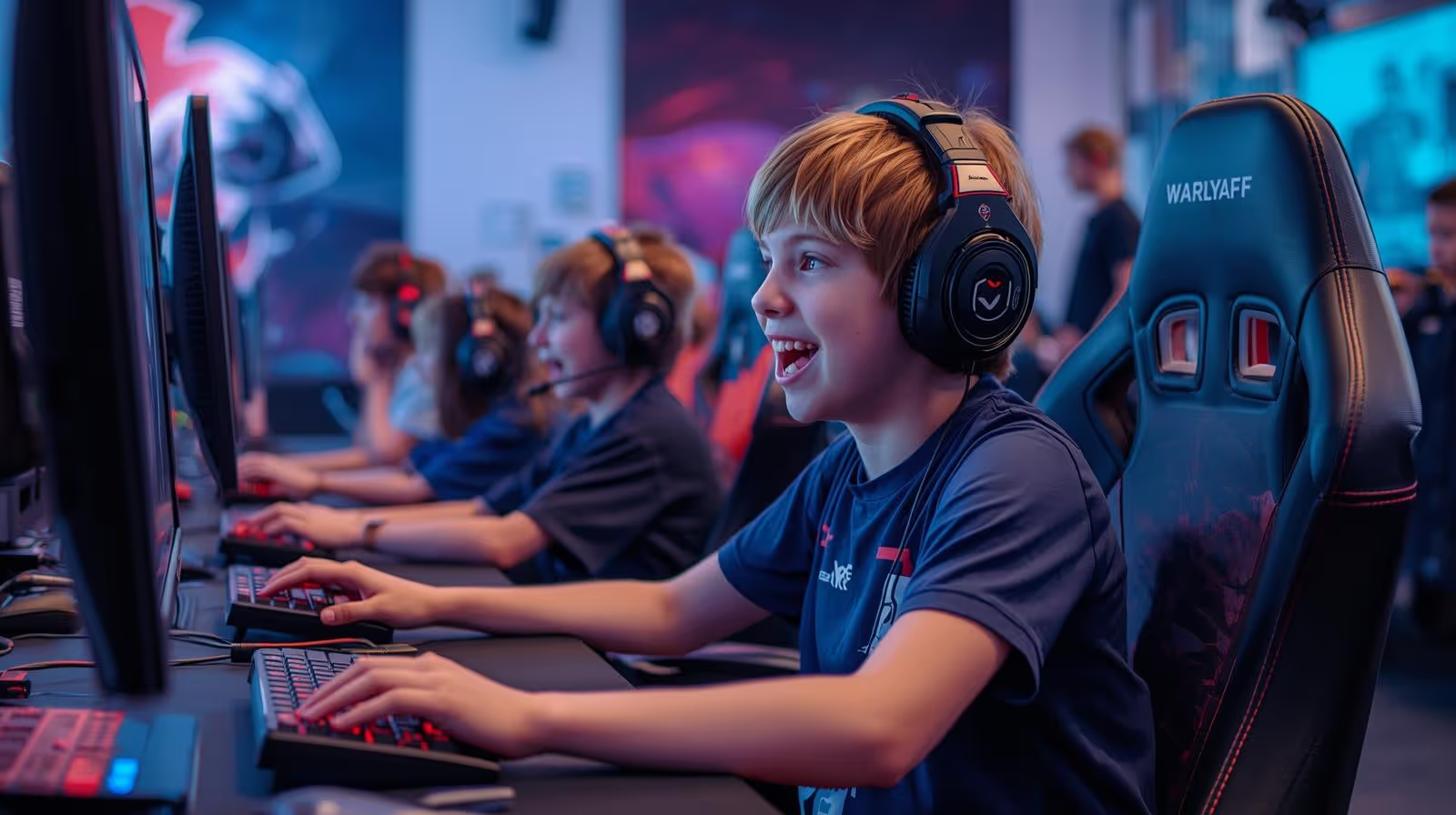
Kids improve faster when they have a team, a schedule, and adults who care about the experience, not only the score.
Look for:
- School esports clubs or chess teams
- Community centers and YMCA programs
- Youth-focused leagues like XP League, Black Rocket, or similar groups
When you talk to an organizer, ask about codes of conduct, rules against bullying, and how they handle complaints. Watch at least one session. Do coaches speak calmly after losses? Do they praise teamwork and effort, not just the star player? Those signs tell you more than any flyer.
Balance screen time, schoolwork, and physical health
A child who wants to be “serious” about esports still needs balance. Set a weekly plan together that includes:
- School and homework time
- A few practice blocks, with breaks
- Physical activity and outdoor time
- Free play or other hobbies
Short breaks between games help more than endless grinding. Suggest stretches, a short walk, or a snack and water between sets. Treat sleep and nutrition as part of performance. Tell your child that great competitors protect their body and mind, not just their rank.
Teach kids to handle wins, losses, and online behavior
How a young player acts online shapes their future as much as raw skill. Parents can prepare simple “scripts” to fall back on when emotions run high.
Examples:
- After a loss: “That hurt, but I will watch the replay and learn one thing.”
- After a win: “Good game, you played well too.”
- After a teammate error: “No worries, we will get the next one.”
Set clear rules for chat and voice: no insults, no personal info, and instant mute plus report for toxic players. Remind your child that they can always step away, talk to you, or ask a coach for help. At this age, character matters more than any trophy.
Conclusion
Kids under 13 can start competitive esports in a way that builds skills, friendships, and healthy habits instead of stress. With the right choices, games like Rocket League, Mario Kart, Minecraft mini-games, and online chess offer deep competition without harsh content, and titles like Splatoon-style shooters or Super Smash Bros add action while staying family-friendly.
The key is simple: choose safe games, use leagues and clubs that center kids, and focus on growth over glory. Sit down with your child, pick one starter game together, map out a calm first week of practice, and then look for a local club or youth league once they feel ready. That shared first step can turn casual gaming into a positive, long-lasting part of their life.