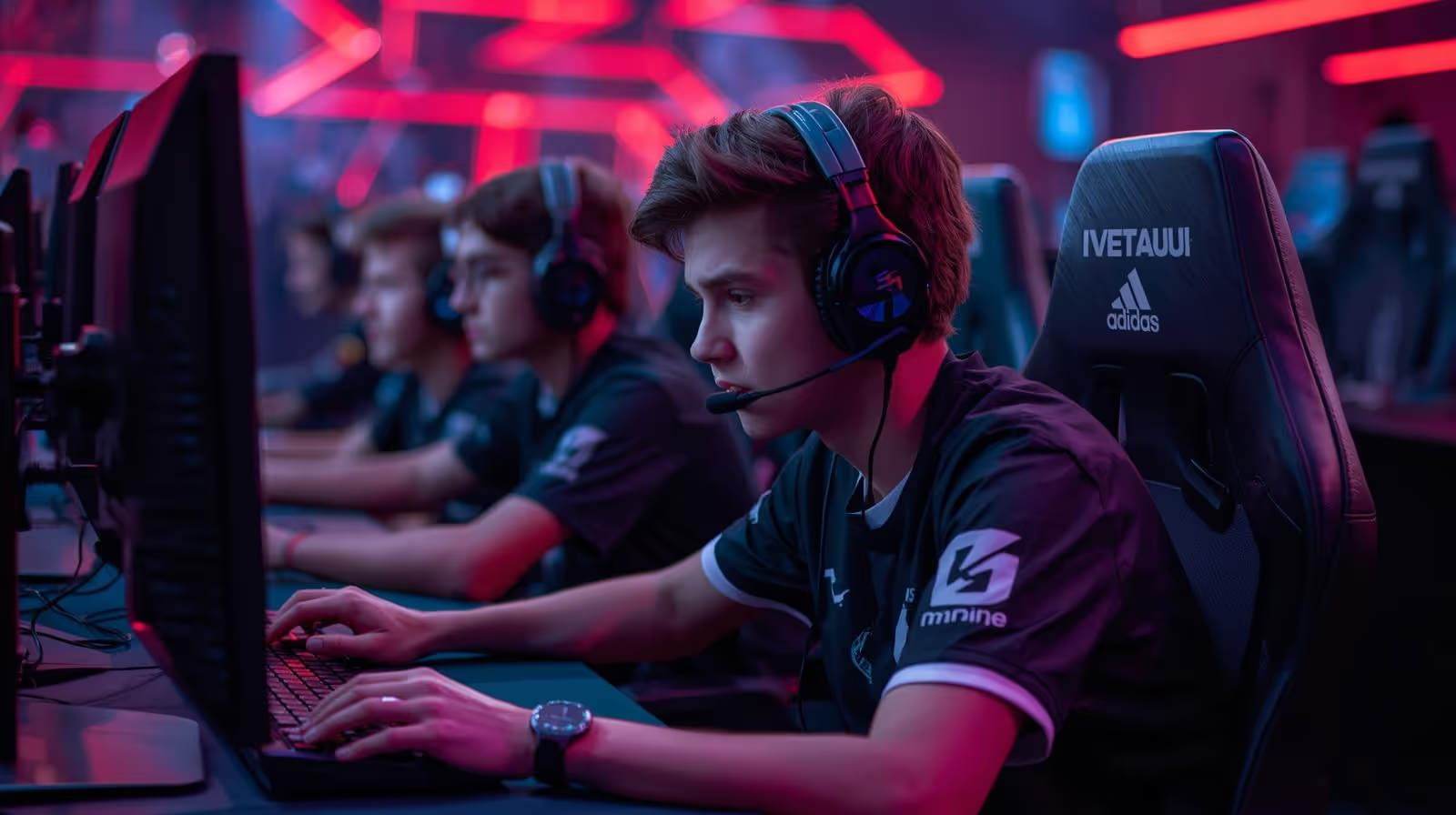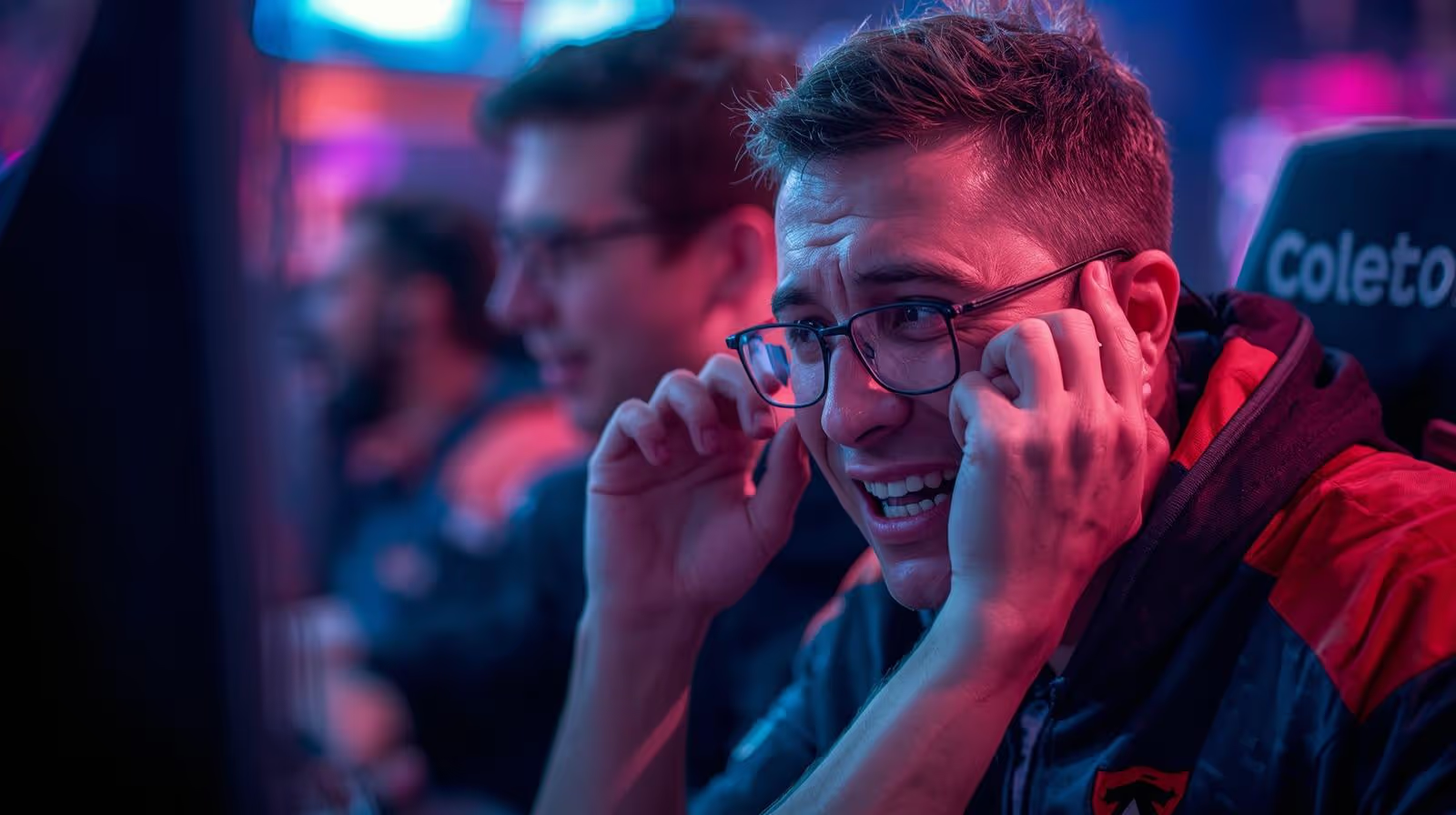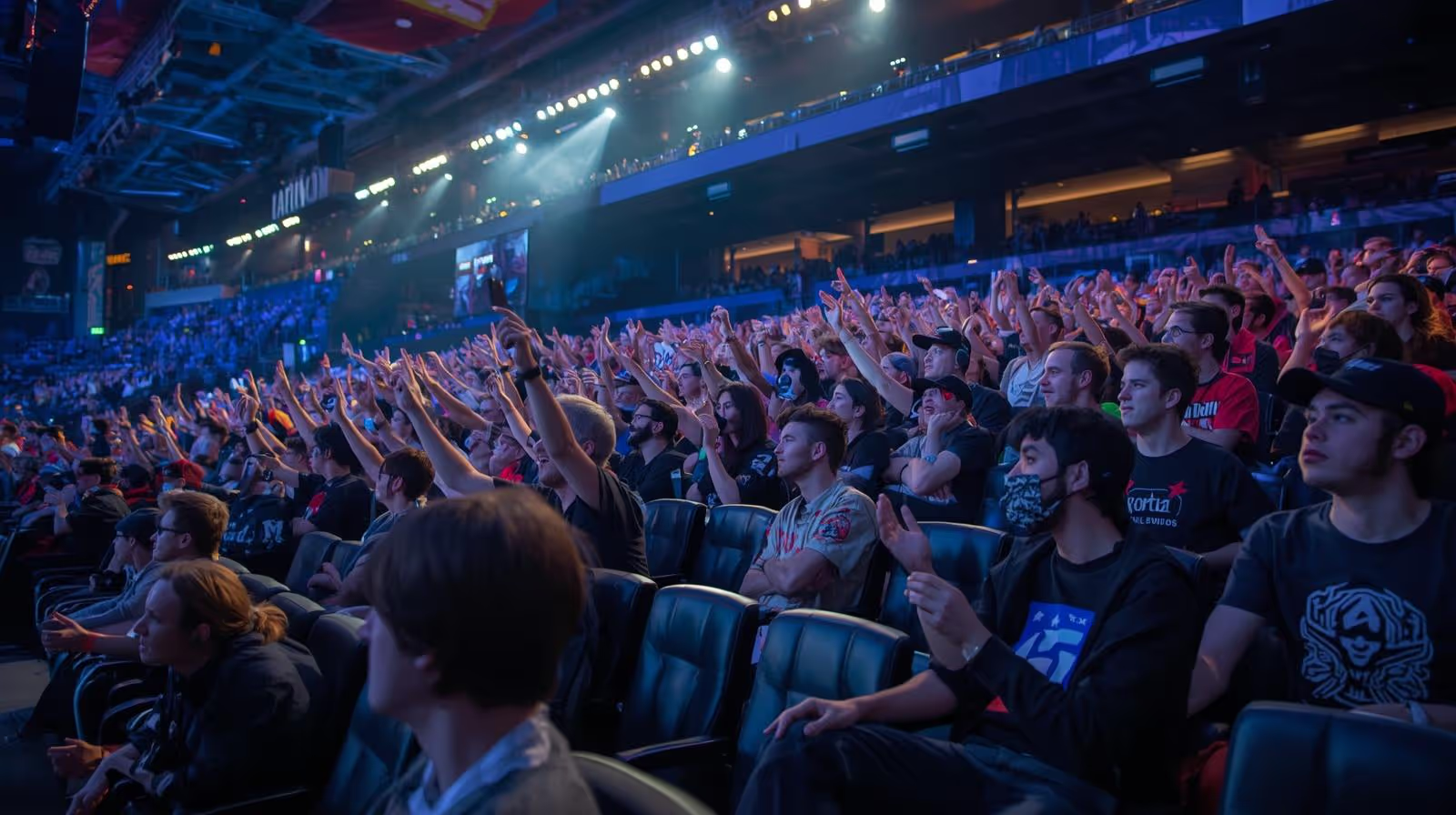


The arena lights are blinding. Music is shaking the floor. The casters are shouting into their mics while the final replay rolls on the giant LED screen.
On stage, a tired esports pro lifts a silver trophy over his head. Confetti falls. Cameras flash. Twitch chat spams emotes. And then something unexpected happens.
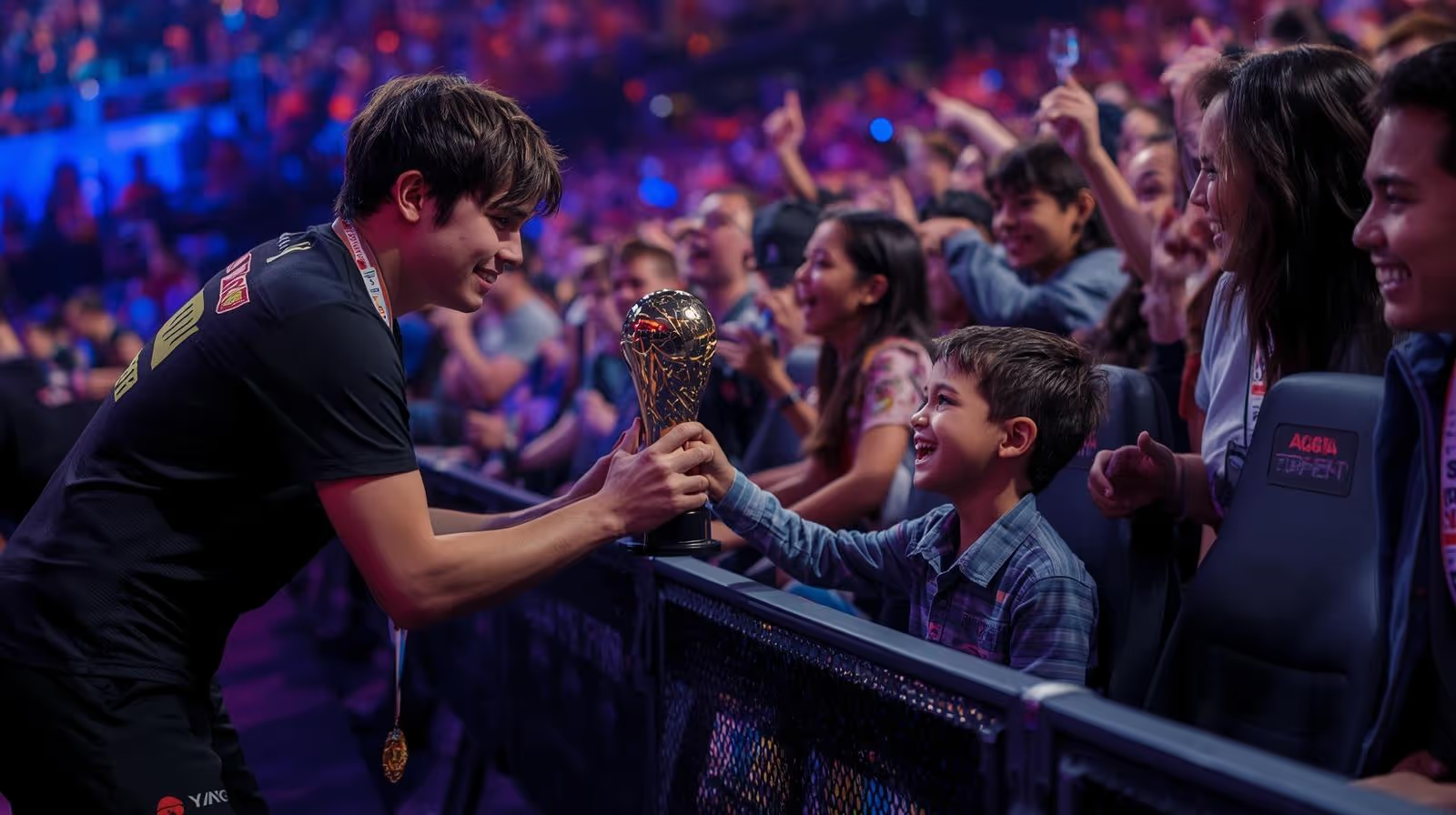
He steps off the stage, walks to the edge, and hands the trophy to a kid in the front row.
This is not a news recap. It is a composite story, built from real things that happen in esports events, meet-and-greets, and viral clips. It is the kind of moment that keeps fans talking long after the match is over.
Why does a moment like this matter so much? Because esports is not only about who has the best aim or the cleanest macro. It is about community, hope, and the next generation of players who watch from the seats that used to be cheap and far from the stage.
This story walks through what happened, why it matters, and what it means for fans, parents, and future pros who dream of standing under those lights one day.
A Night at the Finals: How One Esports Pro Made a Kid’s Dream Come True
The arena is sold out. Team flags hang from the rails. Sponsors glow from every screen. Outside, fans stood in line for hours, waiting to get inside, trading predictions and arguing about drafts.
In the front row sits a kid in a slightly too-big team jersey. The jersey looks like it was bought a size up to grow into. He holds a handmade sign with his favorite pro’s tag in giant letters and a scribbled message: “I watched every stream. You got this.”
For this kid, this is not just a night out. It is the Super Bowl, the World Cup, and a personal birthday party all at once.
The Packed Arena, the Front Row Kid, and the Final Match Hype
The intro video rolls on the LED wall. Slow-motion shots of headshots, outplays, and clutch saves fill the screen. The crowd already knows every moment, because they watched it happen across the season. Still, they scream like it is new.
Players enter the stage one by one. The cameras follow them through a tunnel of light. Heads held high, jerseys sharp, headsets around their necks. They bump fists, take their seats, and start setting up.
The kid in the front row is on his feet. His sign shakes a little. He has watched this pro play on stream for months. He knows the stats, the favorite agents or champs, the map pool, even the jokes the player makes with teammates.
Maybe he saved his own lunch money to help pay for this ticket. Maybe he begged a parent to drive for hours to get here. The parent next to him looks tired but proud. They do not fully get the game, but they understand their kid has been counting down to this night.
The casters build the hype. They talk about how many hours of scrims both teams have put in. They show replays of earlier matches, game-winning plays, and narrow escapes that led to this final.
For the pros, this trophy means contracts, rankings, and a spot in scene history. For the kid, it means he is close enough to see his hero’s face without a webcam frame in the way.
The Winning Moment: From Victory Screen to Life Changing Gesture
The final game comes down to one last push.
On stage, five players hold their breath. One misstep could throw the whole series. The crowd is standing now. No one is sitting anymore, not even security on the edges.
The last team fight breaks out. Skills flash. Health bars drop. The star pro lands the key pick that opens the base. The enemy team tries to stall, but it is over. The victory screen hits. The arena explodes.
Teammates jump up and hug each other. One falls to his knees, laughing and crying at the same time. The trophy is brought out, bright under the lights, polished so hard it almost hurts to look at.
They lift it as a team. Cameras zoom in. Clips are already being clipped on streams, replayed in slow motion. Social feeds buzz with screenshots and all-caps posts.
Then the pro spots something in the front row.
The kid with the handmade sign. The one who has been there the whole match, cheering through wins and shaky rounds, never sitting down, never trashing the other team.
The pro taps a teammate on the arm, points to the kid, then walks to the edge of the stage with the trophy in his hands.
Security parts a small path. The music drops just enough for the crowd to realize something different is happening. The pro leans down, smiles, and carefully hands the trophy to the kid.
For a second, the kid is frozen. His hands shake as he reaches up. His parent covers their mouth in shock. Tears are right there, trying to climb out, but the kid is trying so hard to hold it together.
The casters are yelling now, trying to ride the moment. Clips hit social media within minutes. People who have never watched a full match before see the video of a kid clutching a trophy half his size, face red, eyes wide, crowd roaring behind him.
One small choice turns into a moment that feels larger than any scoreboard.
Why He Gave the Trophy Away: More Than Just Good PR
From the outside, some people might say it is just a nice PR move. A way to farm likes and shares.
But picture the pro’s view for a second.
He has medals at home. Older trophies sit on shelves or in storage. Team posters with his face hang in org offices. There are signed jerseys framed in fan homes across different cities. Stacks of physical proof that he has won before.
The kid in the front row might get only one night like this.
Maybe the pro used to be that kid. Sitting far from the stage, watching legends play with borrowed gear and a laggy connection back home. Maybe he remembers staying up late to tune into streams on a broken chair, telling himself, “One day, that will be me.”
Pros notice more than people think. They see signs in the crowd, fan art in their tags, and the same names that show up in chat even after a rough loss. When a kid waves a sign all match and keeps cheering during timeouts, that sticks.
Handing over the trophy is not about a sponsor logo. It is about sending a clear message: “You matter. You are part of this win.”
If you stood on that stage, sweating under those lights, and saw a kid in the front row holding your name above his head, what would you have done in that moment?
Why This Trophy Moment Matters for Esports Culture and Community
One quiet, kind act can do something raw stats never will. It can rewrite how people talk about esports at school, at home, and at work.
Parents who only hear about toxic voice chat or flaming see a different side. Brands that worry about angry clips and drama see a reason to support positive faces. Fans feel proud to say, “Yeah, I follow this scene.”
This kind of moment sends a message: esports is not just noise and rage. It has heart.
From Toxic Chat to Heartwarming Clips: Esports Needs Moments Like This
Everyone who plays online knows about toxic chat. Slurs, rage quits, and blame fill voice and text channels. Screenshots and clips of the worst moments spread fast and make easy headlines.
But kindness spreads fast too.
A pro giving a trophy to a kid creates a different kind of clip. It lands on feeds of people who have never queued for ranked. It shows up on family group chats and school group messages. “Look at this,” someone writes. “This is from that game you always talk about.”
Moments like that do not erase the bad stuff. They do something else. They balance the story.
People start to see that there are players who stay late at events for meet-and-greets, who sign jerseys for kids, who bend down for selfies, and who use their spotlight to lift someone else up.
The pro’s gesture helps remind viewers that esports is not only about shouting on comms. It is also about cheering for each other, even when the scoreboard looks rough.
Role Models in Gaming: What Young Fans Learn When They Watch Pros
Kids copy what they see. They repeat memes from streams. They imitate callouts from their favorite players. They pick champions, agents, or heroes because their favorite pro plays them.
So what happens when the same kids see a pro lose and throw a controller, flame a teammate, or trash talk the crowd? They learn that this is how you handle pressure.
If your favorite pro smashed a keyboard after every loss, would you feel tempted to slam yours the next time ranked goes wrong?
Now flip it.
A kid sees a pro stand up from a hard loss, walk over, shake hands, and thank the other team. They see apologies on social media after a misplay, not excuses. They see a clip of a trophy being handed to a kid in the front row instead of a viral rage moment.
That teaches something very different.
It says that respect, gratitude, and generosity are not “soft”. They are cool. They are part of being a complete competitor.
For parents watching from the outside, these moments matter. They show that esports can be more than empty screen time. With good role models and guidance, it can teach real life lessons about handling wins and losses.
Building a Lasting Legacy: Trophies Fade, Stories Live On
Physical trophies do not last forever. Metal gets dull. Engraved plates are hard to read under dust. New wins replace old wins in highlight reels.
Stories stick.
Fans may forget the exact score of that final map. The meta will change. Patches will come and go. But they will remember the kid in the front row hugging a trophy like it is a life jacket in an ocean of noise.
Esports history is full of emotional snapshots. The comeback everyone thought was impossible. The handshake between rivals who hated each other all season. The player who typed “gg” and smiled into the camera after the most painful loss of their career.
Adding “the pro who gave his trophy to a kid” to that list builds a different kind of legacy. It says this player cared about people, not just prize pools.
That kid might grow up to be a fan for life. He might grind ranked, climb, and one day walk on that same stage. If that happens, his origin story will not be a random ladder climb. It will be that one night when his hero made him feel seen.
Lessons for Players, Parents, and Future Pros From a Single Trophy
This trophy moment is not only a feel-good story. It is a guide.
It shows how small choices inside and outside the game can shape what esports looks like for the next wave of players.
Here is what different people can take from it.
For Young Gamers: How to Be a Better Teammate and Fan
You might not have a trophy to give away, but you have your voice.
You can:
- Type “gg” at the end of your games, even when you lose.
- Hype your teammates when they make a good play.
- Support your favorite team without trashing everyone else.
Think about the kid in the front row. He did a few simple things right. He showed up. He brought a sign. He cheered the whole time. He did not boo the other team or spam rude chants.
Are you that kind of fan in your ranked games and in your Discord calls? Do you lift your friends up when they whiff, or do you drag them down?
Being a good teammate does not take pro mechanics. It takes small choices, over and over, in how you type, talk, and react.
For Parents: What This Moment Says About the Future of Esports
If you are a parent, you might not care about KDA, APM, or meta shifts. You care about what kind of person your kid becomes.
The trophy story sends a clear signal. Esports can include kindness, respect, and mentorship, not only trash talk and stress.
You can use this story to start simple talks:
- “Which pros do you look up to?”
- “What do you like about them besides how they play?”
- “Have you seen a player do something kind on stream or at an event?”
Sit down and watch a match with your child. You do not need to know every rule. Look for how players act when they win or lose. Notice if they shake hands, sign stuff for kids, or thank fans in interviews.
Guide your kid toward players who act like leaders, not only highlight machines.
You do not have to block games completely to keep your child safe. You can stay involved instead, ask questions, and help them see the difference between healthy competition and toxic behavior.
For Aspiring Pros: Why Character and Community Matter as Much as Aim
If you grind ranked every night, dream of scrim blocks, and refresh your email for trial offers, this part is for you.
Yes, you need strong mechanics and game sense. That is the base. But teams and sponsors care about more than your mouse hand.
They watch how you act on stage and online. They care about how you talk to fans, how you handle tilt, and what you post after a bad series.
The pro who gave his trophy away did more for his image in ten seconds than some players do in entire seasons. One simple act of kindness told orgs, brands, and fans, “This is someone worth backing.”
You can start small:
- Thank people who support you, even on rough days.
- Reply to a few fans with real words, not just emojis.
- Join a charity stream or support a good cause with your platform.
- Stay humble when you win and honest when you lose.
If a kid in the front row held a sign with your name on it, what kind of pro would you want to be in their story later?
Your aim might get you to the stage. Your character is what keeps people cheering for you once you are there.
Conclusion: One Trophy, One Kid, One Esports Future
Picture the moment one more time. A packed arena. Confetti falling. A kid in the front row clutching a trophy almost taller than his torso, while a sea of strangers cheer behind him.
That image holds the heart of esports culture at its best. It shows how one human choice can change how people see games, players, and the whole scene.
From young gamers to worried parents to hungry future pros, everyone can learn something from that single walk to the edge of the stage. It teaches that skill wins matches, but kindness wins memories that last for years.
The next time you queue up, tune in, or sit in a seat near the front, think about what kind of moments you want to help create. Because somewhere out there, another kid is lifting a homemade sign, hoping someone on stage might see them, and dreaming of their own night under the lights.