

Your kid wants to join an esports team, and you are wondering if that is exciting, scary, or both. Is this just another hobby, or could it hurt sleep, grades, and health?
Almost all teens play games now. Recent surveys show that around 8 in 10 teens play video games, and a large share play most days. On top of that, organized esports teams now exist in many schools, community centers, and online clubs.
This guide looks at both sides. You will see the real benefits and real risks, with simple rules you can start using right away. The focus is on kids and teens who play competitively or who want to join an esports team, not just casual gaming on the couch.
The goal is simple: help you decide whether esports is helping your child grow, or quietly getting in the way.
What Esports Actually Is (And How It Differs From Casual Gaming)
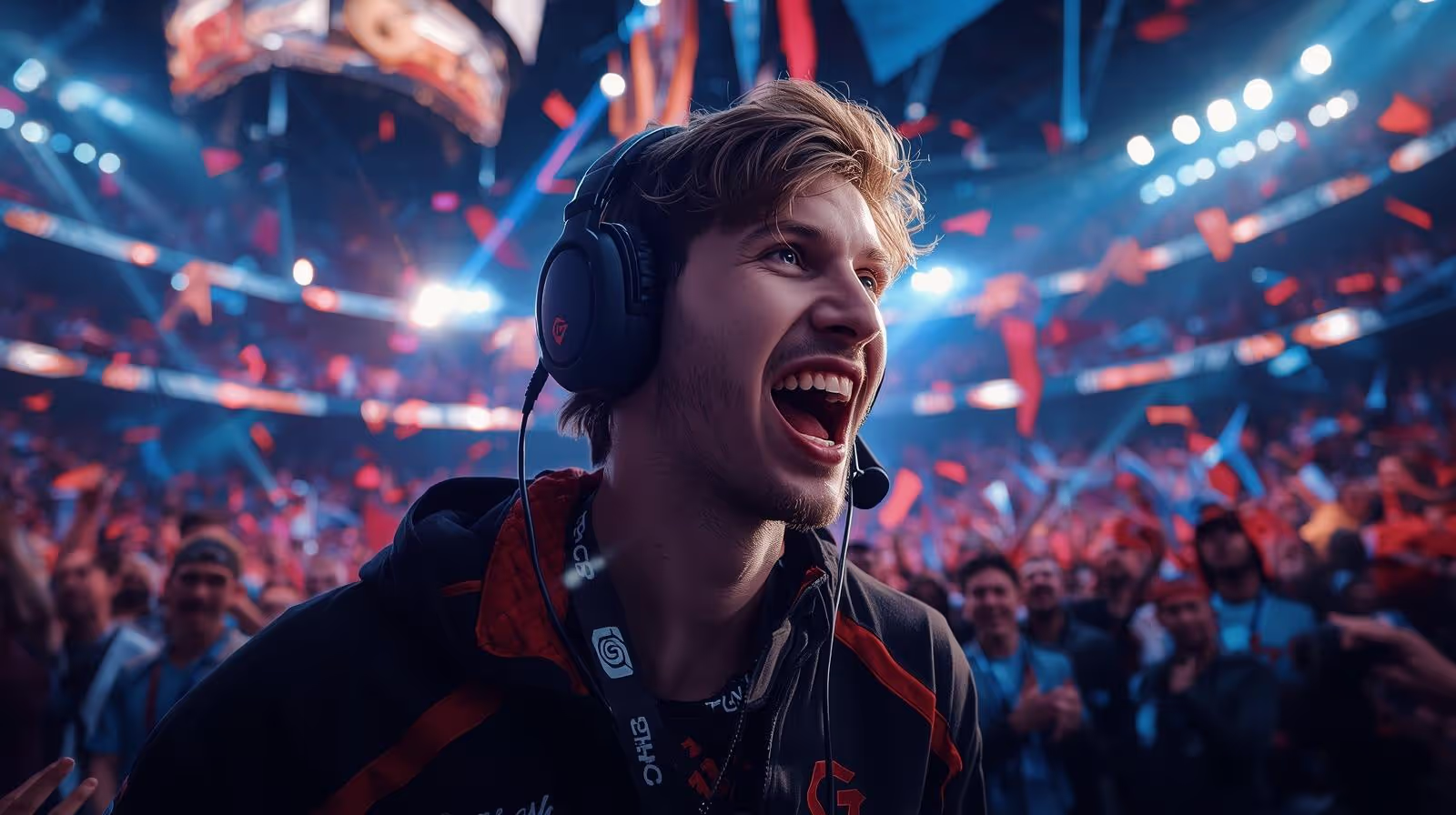
Esports is organized, competitive video gaming. Kids play in teams or as solo players in leagues, tournaments, or school clubs. There are coaches, practice schedules, and rules, much like a school sport or band.
That is very different from a child who plays random games on a tablet for fun. A casual gamer drops in and out. An esports player talks about “scrims” (practice matches), brackets, and team roles, and may watch pro games or dream of streaming.
Most teens play video games. Only a smaller group joins organized teams or tries to compete seriously.
Key parts of real esports programs
Many real esports programs share the same core pieces:
- Structured practice: set days and times, usually a few afternoons per week.
- Coaches or mentors: adults who guide strategy, teamwork, and sometimes wellness.
- Team roles: players specialize in support, defense, playmaking, or in‑game leadership.
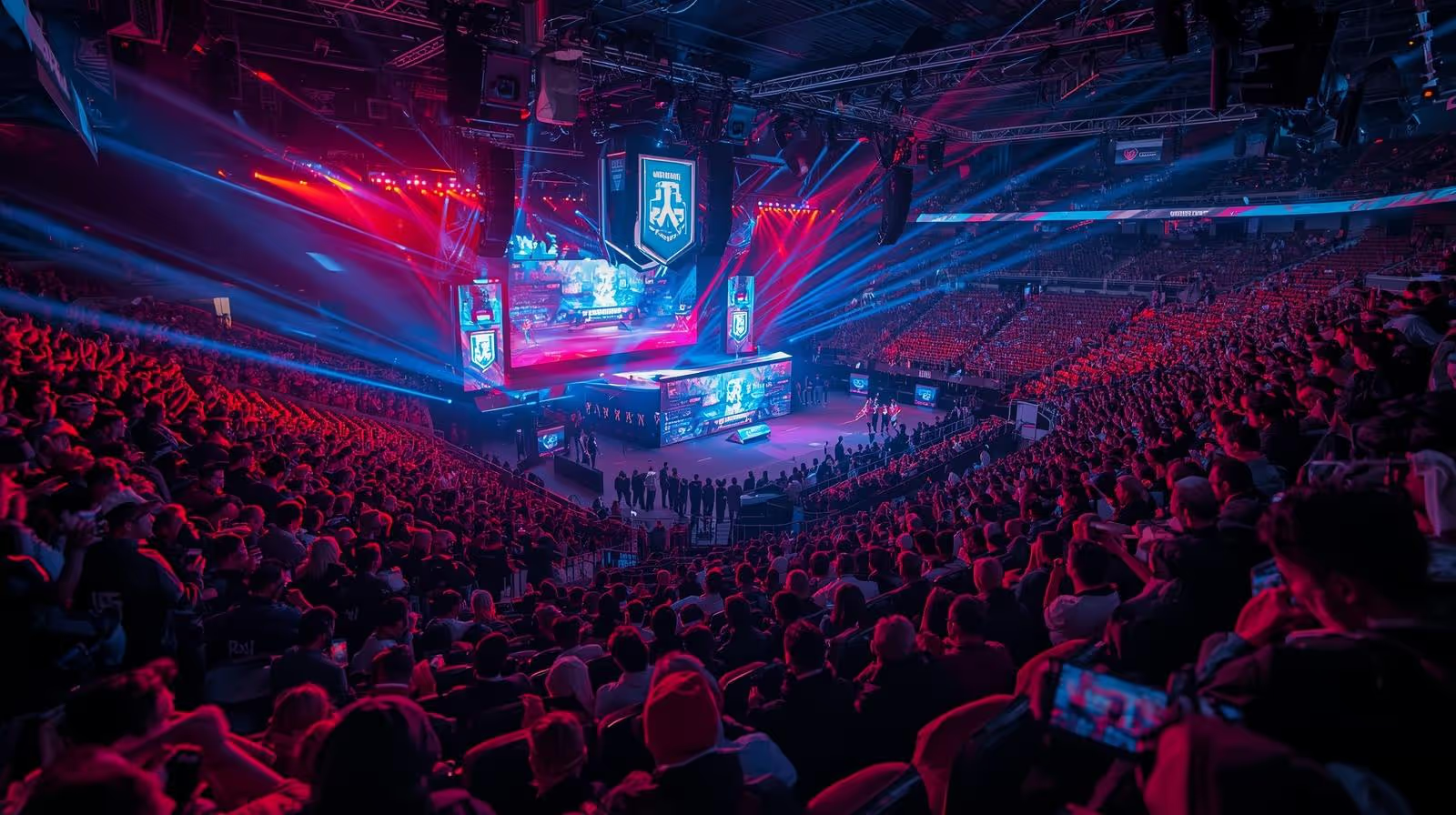
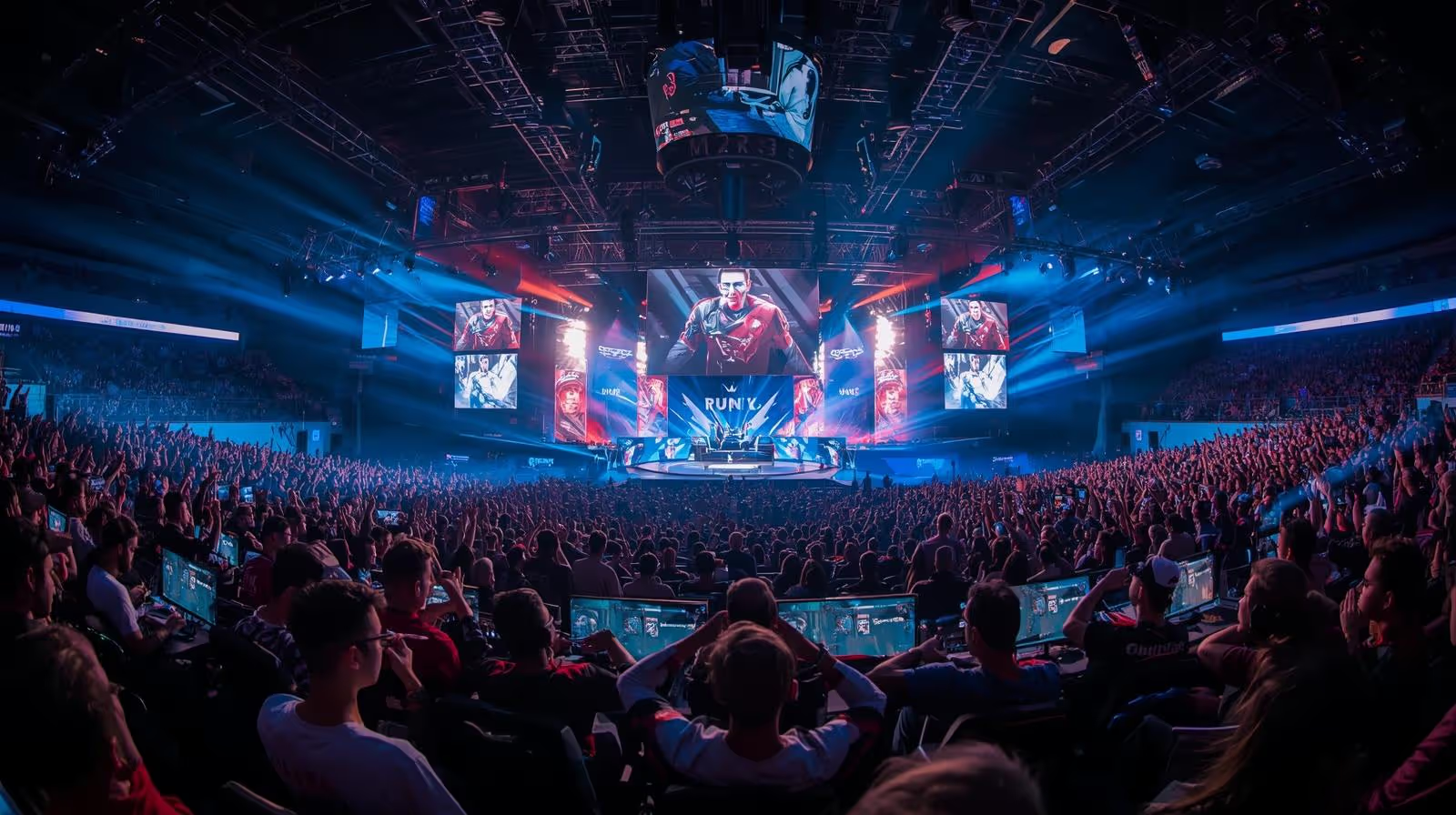
- Tournaments and leagues: online or in‑person events with brackets, schedules, and rules.
- Behavior rules: codes of conduct for chat, language, and sportsmanship.
Some teams are online only. Others are tied to schools, libraries, or youth groups. Many of the better programs teach teamwork, communication, and respect, not just how to win.
Esports vs solo gaming: why the difference matters for parents
For a parent, the difference between esports and unstructured solo play is huge.
Organized esports has schedules, adult oversight, and other kids working toward a shared goal. That structure can protect homework time, limit late nights, and give clear off‑days.
Endless solo gaming is open-ended. There are no built‑in breaks, no coach, and often no one checking on chat or bedtimes. That is where you see more problems with sleep, mood, and school.
So the key question is not only “What game is my child playing?” but “How, when, and with whom are they playing?”
Real Benefits Of Esports For Kids: Skills, Friends, And Future Paths
Done well, esports can be more than “just playing games.” It can act like any strong youth activity, helping kids feel connected, confident, and focused.
The positive effects tend to show up when programs are supervised, balanced, and tied to school or community goals.
Social benefits: teamwork, confidence, and belonging
Some kids never feel at home on a soccer field or in a choir room. Esports can be their version of the team bus and locker room.
On a team, kids:
- Learn to call plays, share information, and give clear directions.
- Take feedback from coaches and teammates, even when it stings.
- Swap roles and learn what it feels like to support others, not just be the star.
School programs often report that players make friends across grades and social groups. A quiet student who rarely speaks in class may become the in‑game shot caller that others rely on. That kind of role can build real confidence.
For kids who feel left out in other activities, esports can say, “You belong with us.”
Brain and learning benefits: focus, strategy, and fast decisions
Research on competitive gaming shows some consistent thinking benefits.
Regular, competitive players often show:
- Faster reaction times
- Better visual tracking of many moving objects
- Stronger spatial awareness
- Practice with planning and adapting mid‑match
Strategy games push planning and problem solving. Fast action titles demand split‑second choices and constant attention. Those skills connect loosely to school tasks like math problem sets, reading complex text, or managing multi‑step projects.
Parents should still remember a key point: gaming never replaces homework. It can support some thinking skills, but grades improve when practice, sleep, and study habits all work together.
School engagement: attendance, motivation, and behavior
Many schools with esports programs see a simple pattern. Kids show up more when they feel they are part of something.
Being on a team can:
- Motivate students to keep grades at the required level
- Give them a reason to attend school on tough days
- Encourage better behavior, since poor conduct can mean missing matches
For some students who skip other clubs, esports is the one hook that ties them to school. It is similar to how band, drama, or football keeps other kids engaged.
College scholarships and career paths in esports
More colleges now offer esports clubs, varsity teams, and sometimes scholarships. Only a tiny share of players will ever go pro, just like in traditional sports, but there are many other roles.
Common career paths connected to esports include:
- Coaching and team management
- Broadcasting, shoutcasting, and production
- Streaming and content creation
- Event planning and tournament operations
- Graphic design, social media, and marketing
- Game design, programming, and quality testing
- IT support and network management
For most kids, esports should be seen as a way to explore interests and build skills, not a guaranteed paycheck. When parents keep that frame, the pressure drops, and the focus can stay on growth.
Life skills kids can build through esports
Strong programs use esports as a training ground for life.
Kids can practice:
- Time management: balancing practice, homework, and rest.
- Goal‑setting: breaking big goals into daily drills and small wins.
- Handling wins and losses: dealing with nerves, tilt, and frustration.
- Communication under stress: staying calm when a match is on the line.
- Healthy practice habits: learning that review, teamwork, and rest all matter.
Those same skills help with group projects, part‑time jobs, and future careers. When you talk to your child, point out those links so the game is not just “fun” but also a place to grow.
Risks Parents Need To Watch: Screen Time, Health, And Mental Well-Being
Esports also carries real risks, especially if play is heavy, late at night, or unsupervised. Parents do not need to panic, but they should stay alert.
Research links heavy or poorly managed gaming to sleep problems, lower activity levels, mood issues, and sometimes addiction‑like behavior.
Too much screen time and not enough movement
Long sessions mean long hours of sitting. Kids may hunch forward, stare at bright screens, and barely stretch.
Common results include:
- Eye strain and headaches
- Neck, back, or wrist pain
- Less daily movement, which can affect weight and fitness
Simple family rules help. Set stretch or water breaks every 45–60 minutes. Mix in off‑screen activities like walks, sports, or chores. Look at the full week, not just one tournament day, when you judge movement.
Sleep, late-night play, and mood swings
Gaming late into the night is one of the biggest problems for young players.
Bright screens and intense matches can:
- Push bedtime later
- Cut down on deep, restful sleep
- Make mornings rough, with more crankiness and slower thinking
Over time, poor sleep links to worse mood, more anxiety, and trouble focusing in class. Many families find a simple rule works well: no intense matches or practice for at least an hour before bed, and no gaming devices kept in bedrooms overnight.
When normal gaming starts to look like addiction
Most kids who love esports are still healthy. A smaller group begins to lose control of their play.
Warning signs include:
- Lying about game time or hiding screens
- Skipping homework, meals, or activities to play
- Explosive anger when asked to stop
- Big drops in grades
- Losing interest in offline friends or hobbies
Look for patterns over weeks, not just one bad day. Start with open talks, not blame. If problems grow or you feel stuck, ask a pediatrician or mental‑health professional who understands gaming for help.
Toxic chat, bullying, and online strangers
Voice and text chat are part of many esports titles. They can also be rough.
Kids can run into:
- Trash talk that crosses into slurs and harassment
- Bullying from teammates or opponents
- Pressure to share personal info or move to private chats
Many kids stay quiet about these moments because they fear you will take games away. Tell your child how to mute, block, and report players, and make these tools normal. For younger kids, prefer leagues with strong moderation and encourage them to play with real‑life friends.
Balancing esports with school, chores, and family time
Even a positive esports program can swallow time if nothing pushes back.
Without clear limits, you may see:
- Homework pushed late or rushed
- Chores skipped “until after this match,” then forgotten
- Less time at meals or family events
A simple order helps: school first, home tasks next, esports after. Review the schedule regularly. If practices and tournaments begin to spread into every evening, sit down and adjust together.
How To Decide If Esports Is Good Or Bad For Your Child
Esports is not all good or all bad. The real question is how it affects your child in daily life.
Instead of counting only hours, watch behavior, mood, grades, and relationships. A kid who plays a lot but sleeps well, keeps grades up, and has friends may be okay. A kid who plays less but is irritable, isolated, and slipping in school needs support.
Key questions to ask about your child’s gaming habits
These questions give a clearer picture:
- Is esports one hobby, or has it become their whole identity?
- Have grades stayed steady, improved, or dropped since they started competing?
- Does my child still sleep enough and wake up rested most days?
- Does my child stay connected with family and offline friends?
- How do they handle losing, criticism, or conflict during and after matches?
- Can they stop at agreed times, or does every session turn into an argument?
If most answers point to balance and growth, the setup is likely healthy. If many answers worry you, it is time for new rules and closer involvement.
Age-based guidance: elementary, middle school, and high school
Different ages call for different guardrails.
Elementary school kids
- Keep sessions short and supervised.
- Co‑play when possible and sit nearby.
- Use strict screen‑time limits and clear bedtimes.
- Focus more on fun, learning, and friends than serious competition.
Middle school students
- Allow more independence, but keep strong rules about time and content.
- Talk often about online safety and kindness in chat.
- Help them plan homework, chores, and practice on a weekly calendar.
- Choose programs with coaches and clear behavior standards.
High school teens
- Treat esports like any serious sport or club.
- Set rules for GPA, missed work, and curfews tied to eligibility.
- Talk about realistic futures: college clubs, scholarships, or healthy hobby play.
- Include your teen in schedule planning so they learn to manage their load.
Warning signs that esports is becoming unhealthy
Watch for red flags such as:
- Steady grade drops or missing assignments
- Skipping meals or cutting sleep to keep playing
- Strong mood swings tied to wins and losses
- Secret accounts, hidden spending, or deleted chat logs
- Pulling away from family, offline friends, or past interests
- Ignoring showering, laundry, or room cleanup for long stretches
Treat these as early alarms, not reasons for shame. Step in with firmer limits, more supervision, and outside help if needed.
How to talk to your child about esports without a fight
Conversations work better than ultimatums.
Try this approach:
- Start with curiosity. Ask what they enjoy about esports, what goals they have, and who they play with.
- Listen first. Let them talk without interrupting or judging.
- Share your concerns. Focus on health, sleep, and school, not on attacking games as “bad.”
- Use “we” language. Say “We want you healthy and happy” rather than “You are addicted.”
- Build rules together. Agree on start and stop times, homework‑before‑play rules, and no‑screens zones.
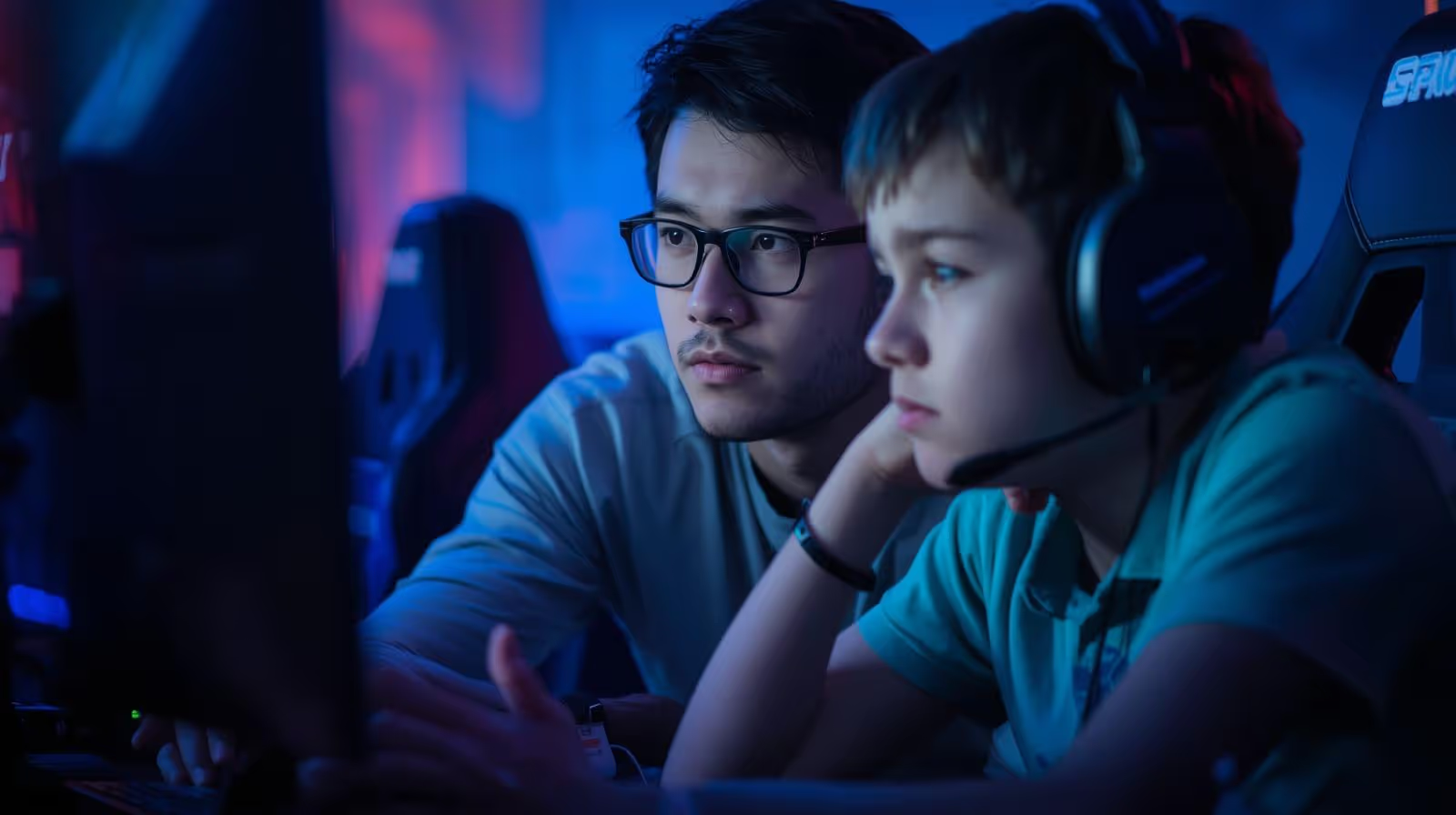
- Learn a bit about the game. Watching a match together or asking them to explain roles can build trust.
When kids feel heard and respected, they are more likely to respect limits.
Conclusion
Esports is not automatically good or bad. It is a tool, and how it affects your child depends on how, when, and why they play.
On the positive side, structured esports can give kids friends, teamwork skills, school engagement, and even a window into future study or work. On the negative side, poor sleep, excess screen time, toxic chat, and addiction‑like patterns can cause real harm if nobody is watching.
Your role is not to be a constant referee, but a steady guide. Stay involved, set clear limits, and treat esports like any serious youth activity, with balance, support, and real‑life priorities on top.
Pick one small step this week, maybe a calm talk about gaming rules or a look at local school esports options, and move your family toward a healthier setup that lets your child enjoy the game without losing the rest of their life.