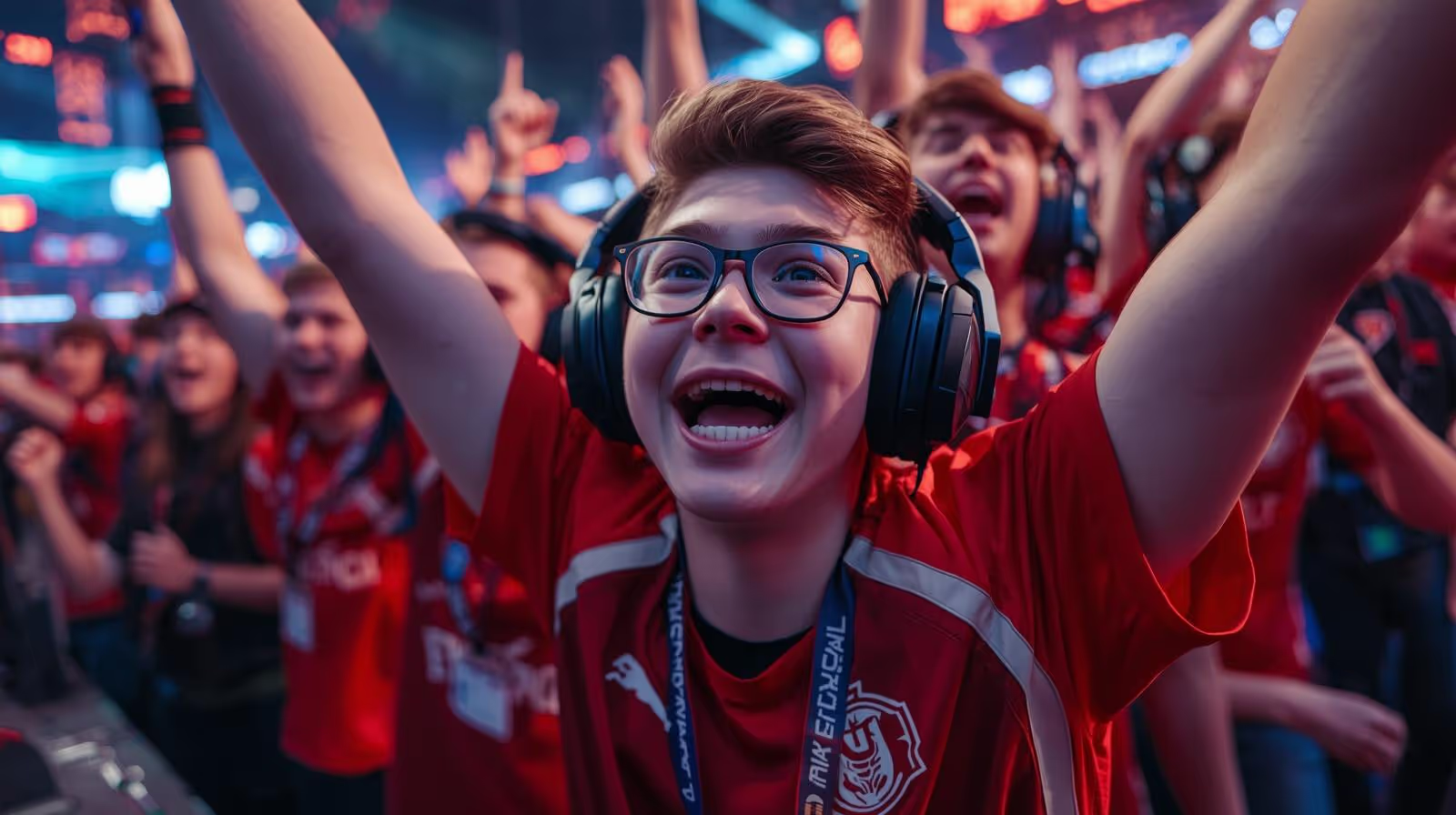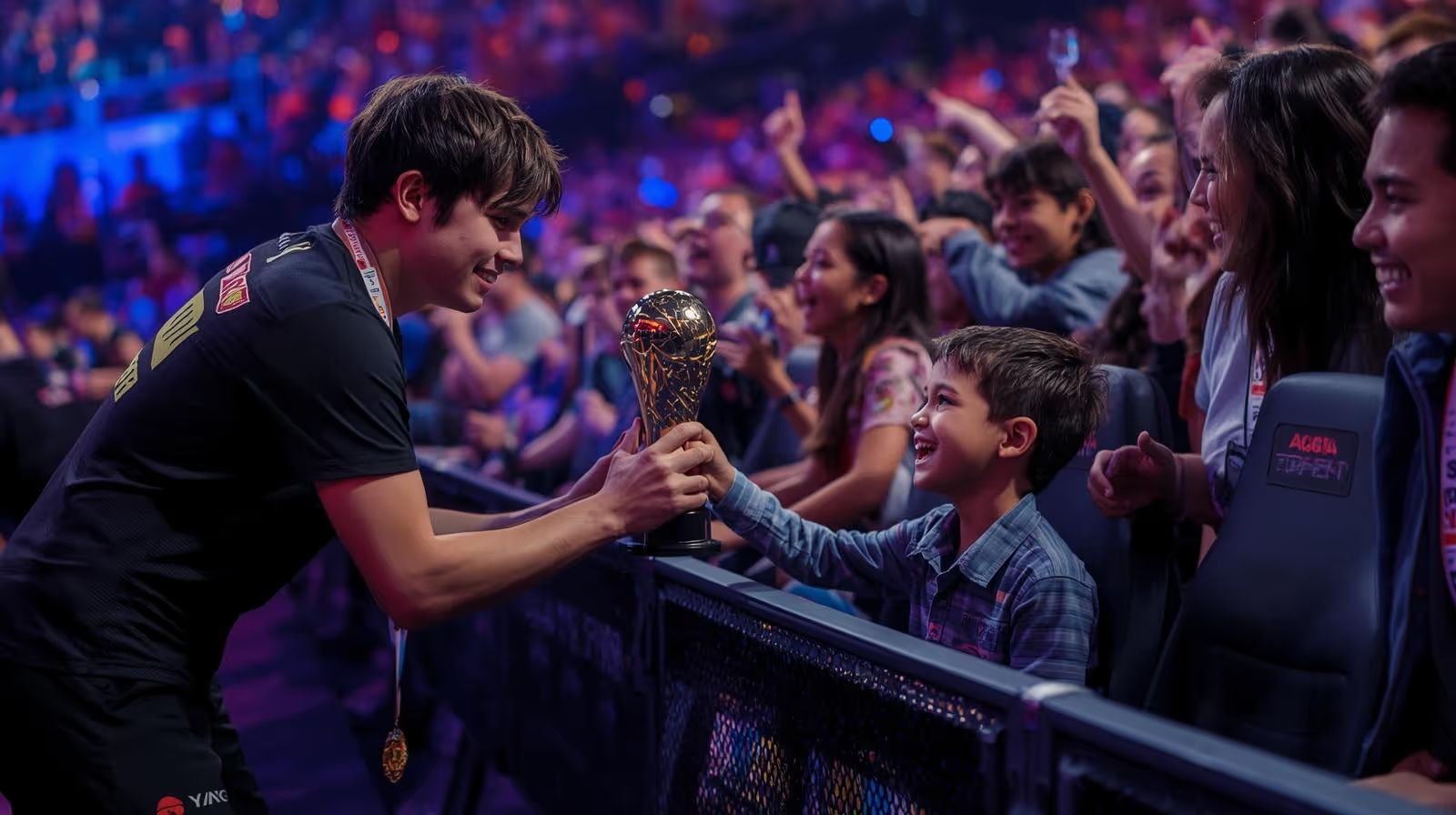

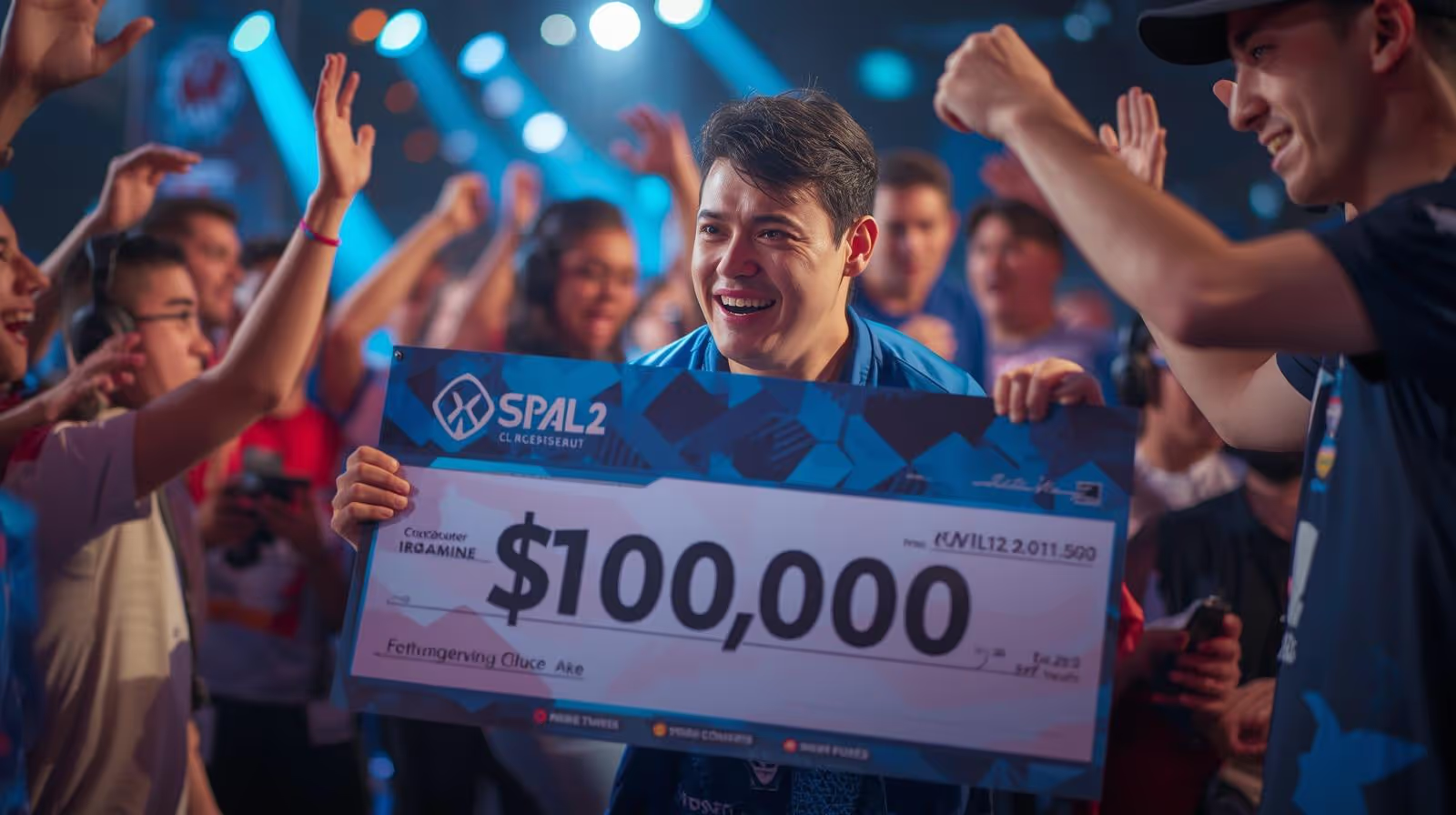

The arena lights hit his face as he lifted the trophy with both hands. Confetti fell, the crowd roared, and the casters shouted his gamer tag over and over. On the big screen behind him, one number kept flashing: $100,000.
Then “Nova,” the star of the night, leaned toward the mic and said he was giving every dollar of his $100k prize to charity.
The host froze. His teammates stared. Chat went from “GG” to “WAIT WHAT” in a heartbeat.
This is a fictional story, but it is built from real patterns in esports charity events and player donations. Big tournaments, large prize pools, charity streams for hospitals and youth programs, pros raising money through skins and bundles, these things already exist. Nova just pushes that idea to the edge: what happens when a player gives up the whole bag, live on stage?
Why does a story like this matter for fans, sponsors, and young players trying to go pro? It changes how people see money, fame, and responsibility in esports. It shows what can happen when competition meets real‑world need.
Over the next sections, you will see what happened that day, why Nova did it, how the donation worked in practice, and what his choice says about esports culture. If your favorite player did this on stage, how would you feel sitting at home behind your screen?
Setting the Stage: The Biggest Match Of His Career
The story starts with Nova, a calm, quiet rifler for a top team in a leading tactical shooter. He was not the loudest player, not the biggest streamer, but everyone in the scene knew one thing about him: when the match was close, he showed up.
This grand final was the biggest match of his life. The event had a seven‑figure prize pool. Nova’s cut for first place would be $100,000 before taxes and team splits, life‑changing money for most pros, especially ones who grew up without much.
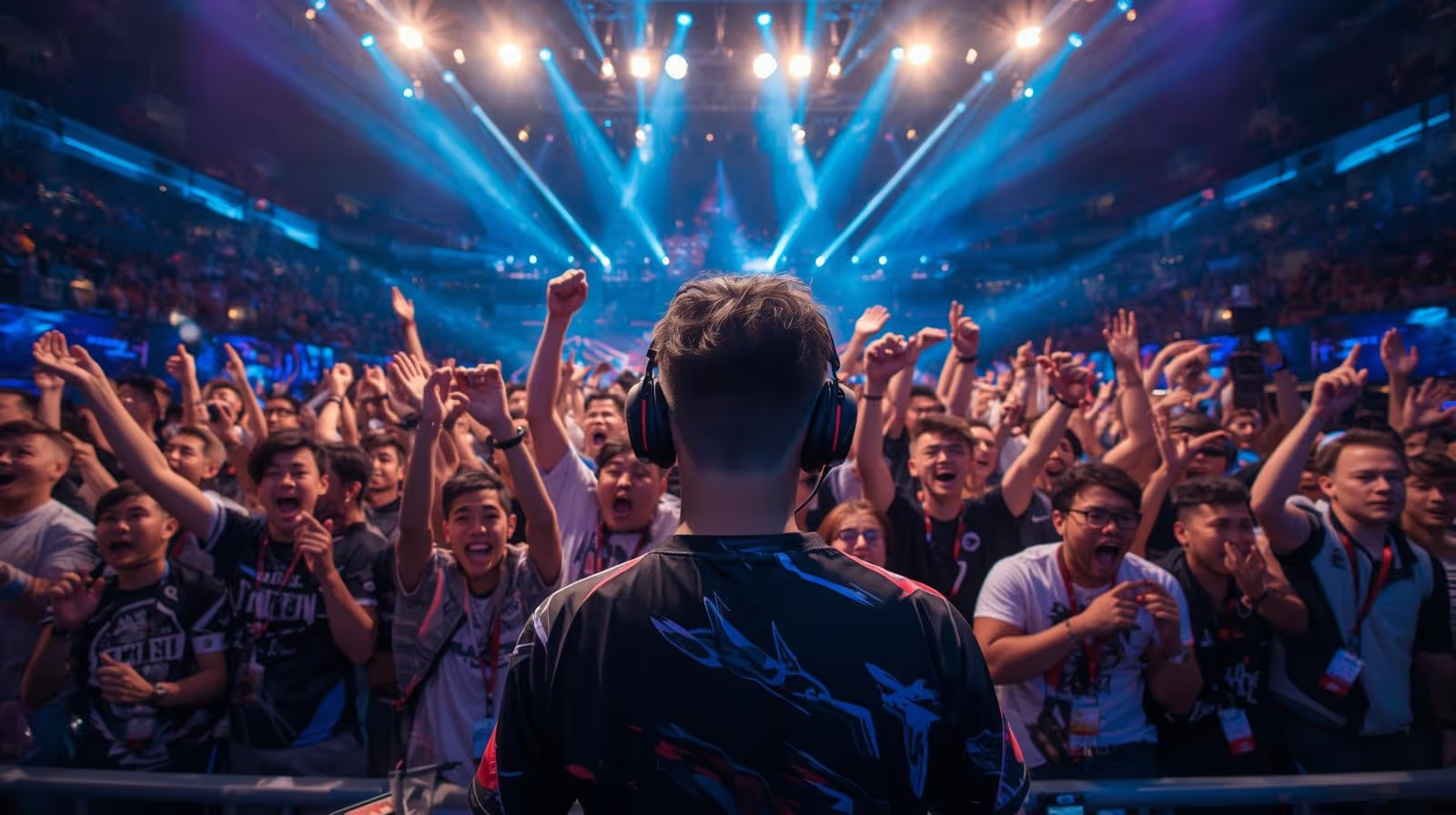
The arena was packed. You could feel each round in the way the crowd reacted, gasps on missed shots, screams on clutches, synchronized chants for each team. Cameras tracked every expression. Casters reminded viewers how much money was on the line almost every round.
For his team, a win meant prize money, bonuses, and bigger contracts. For sponsors, it meant logo exposure, social media spikes, and new fans. For Nova, it meant security for his family and proof that his years of grind were worth it.
Who Nova Was Before The $100k Moment
Nova did not appear from nowhere. He grew up in a small apartment, sharing a room with a younger brother, playing on a budget PC that dropped frames in every smoke.
He climbed ranked late at night after school, then after work. He played local LAN events with borrowed gear. His parents worried about his hours, but they saw his focus and let him try as long as he kept his grades just good enough.
Before this final, Nova had run a few small charity streams. One raised a modest amount for a local children’s hospital that once treated his cousin. Another sent money to a youth center that offered free tutoring and an old console room where he used to play.
People in the scene knew him as a hard worker, a quiet leader, and a clutch player. Teammates said he spoke little, but when he did, they listened. He cared about practice, scrims, and prep, not drama.
So when he later gave up $100k, it was shocking, but not random. The seed had been there for a long time.
Inside A Championship Match With Six Figures On The Line
The final map was tight. Early on, Nova whiffed a spray on a key round and you could almost feel chat spamming “$100k LUL.” Casters talked about how one mistake could cost a player more money than most fans see in years.
Then came the round people would clip for months. Score tied, tournament point on the line, Nova locked in a 1v3. Low health, almost no time, utility gone. He won it anyway, triple headshot, the arena exploding so loud you could barely hear the casters.
Prize money came up again and again. “That play just made him $100,000,” one caster shouted. Fans spammed about how they would spend it: house down payments, new cars, helping family, new setups.
Everyone assumed the money would change Nova’s personal life first. That is what big wins usually do. No one expected that clutch to end in a decision that gave all of it away.
The Shocking Decision: Donating All $100k To Charity
After the final, the stage filled with staff, cameras, and sponsor backdrops. Nova’s team lifted the trophy, posed for photos, and tried to process what they had just done.
Then came the interview that turned a standard winner’s ceremony into something else.
The On-Stage Interview That Changed Everything
The host started with the usual lines. How did the last map feel? What did that 1v3 mean? Did he have anything to say to the fans at home?
Nova gave short, standard answers at first. Nerves, respect to the other team, thanks to the coach and staff.
Then the host asked about the prize money.
Nova paused. He glanced at his teammates, then at the camera.
“I talked with my family before the event,” he said. “We agreed that if we won, my whole share would go to charity. The money can save more lives there than just sitting in my bank, so my $100k is going to the hospital that treated my cousin.”
For a second, the arena felt quiet, almost like a tech pause. Then the crowd erupted. Some fans yelled his name, others covered their mouths in shock. The host stumbled, then repeated the line just to make sure production had it right.
On streams, chat exploded. “HE WHAT?” “NO WAY.” Clips hit social media within minutes, subtitles added, posted in every esports thread people could find.
Why He Chose This Charity And Not Another One
Nova’s choice was not random. When he was young, his cousin spent months in a children’s hospital after a serious illness. The family could not afford many extras, but the hospital had a small gaming room. That room became the place where they could forget the machines and worry for a while.
Years later, as a pro, Nova visited that same hospital on a low‑key trip. He met kids who watched his matches on phones and old TVs. Some had learned about him from a simple charity stream he ran.
He trusted this hospital. He had seen the staff work, the equipment, the worn sofas in the waiting rooms. He knew donations went into things you could touch and see, beds, treatment, updated consoles for kids who could not leave their rooms.
Many pros support children’s hospitals, youth programs, or mental health groups for gamers. Nova’s choice fit that wider pattern, just at a more extreme level.
How The $100k Donation Actually Worked Behind The Scenes
From the outside, the donation looked like a single moment and a viral clip. Behind the scenes, it took real work.
Tournament prize money usually goes to the organization first. From there, contracts detail the split between the team, staff, and players. Nova could not simply tweet “I donate it” and call it done.
He talked with his team before the final about his plan. After the win, team staff quickly contacted event organizers and lawyers. They drafted a short agreement that said Nova’s full share would go straight to the hospital, either from the team or directly from the event bank account after his written consent.
There were calls, emails, signatures, and tax questions. People checked that the hospital could receive a transfer of that size, and that everything was legal in both regions.
Nova later admitted that the scariest moment was not game point, it was pressing send on the email that confirmed his decision in writing.
What His Teammates, Coach, And Family Said About The Choice
Inside the team room, reactions were mixed, but honest.
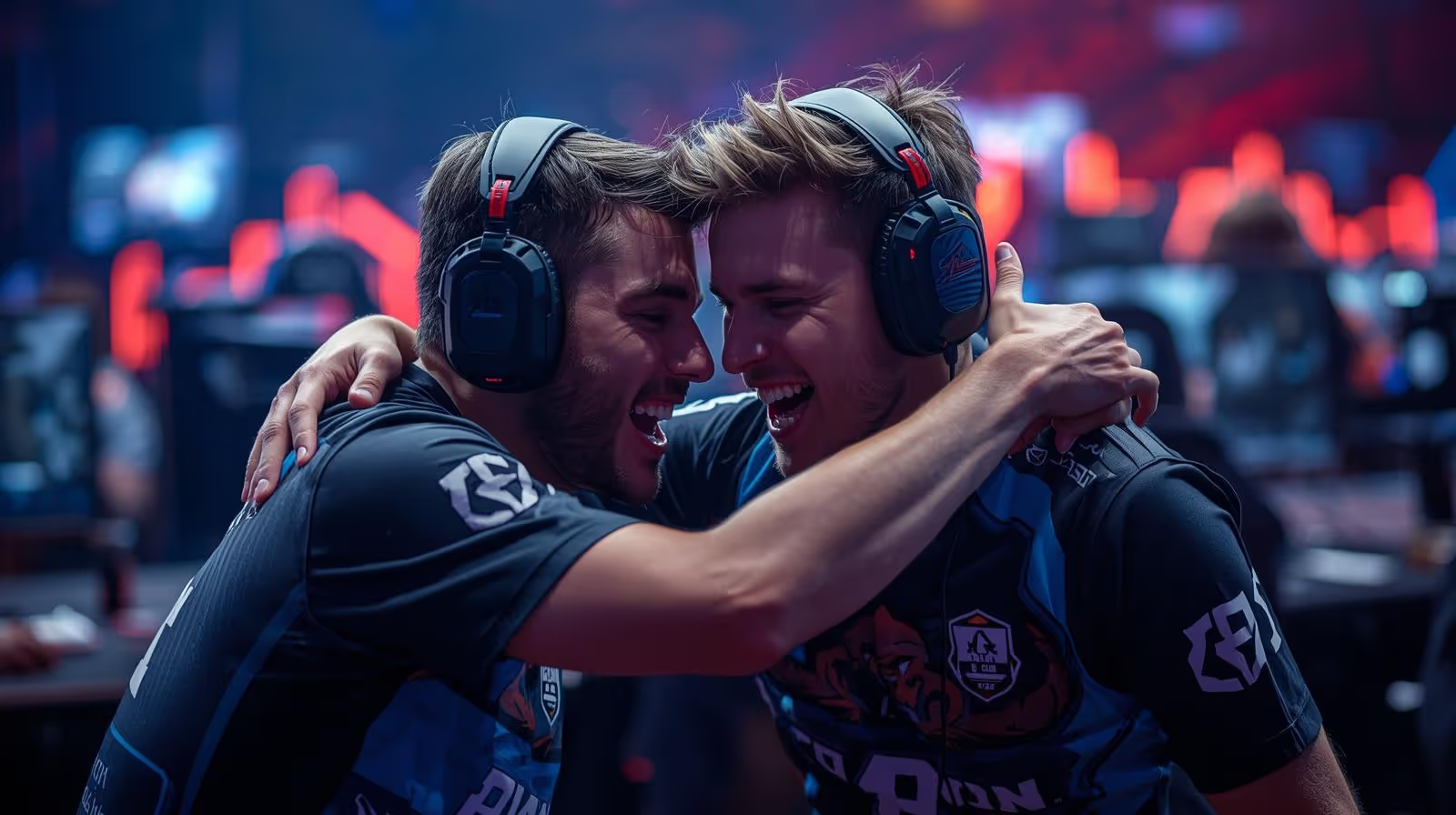
One teammate hugged him and said, “I respect it, man, but I could never do that.” Another joked about buying him dinner for the next year.
The coach framed it as leadership. He told a reporter, “This shows who he is. He plays for the team, and he thinks about more than himself.”
At home, his parents felt both proud and a bit worried. They knew how much that money could help with long‑term security, but they also knew where his values came from. They had raised him to care about that hospital and the kids inside it.
Nova himself said later in an interview, “I was afraid I would regret it when I clicked that last signature. But I slept better that night than after any match.”
Esports Reacts: Fans, Pros, And Brands Respond To The $100k Gift
Over the next few days, the story moved from a single clip to a wider talking point across esports.
Was Nova a hero? Was he reckless? Could this change how pros and events think about charity forever?
From Clip To Trend: How The Story Went Viral In Esports
The trophy‑stage clip hit trending lists within hours. Larger creators grabbed it, added their own commentary, and posted reaction videos.
Highlight channels ran thumbnails like “HE GAVE UP $100,000” and “Most selfless pro ever?” Big accounts posted short lines such as:
- “Nova just rewrote what ‘win’ means.”
- “Imagine giving up six figures live on stream.”
- “This is what I want my kids watching.”
Threads filled with fans telling their own hospital stories or sharing links to the charity. Some players who had been treated there as kids commented that they recognized the rooms in photos.
The story moved fast because it had everything: a huge clutch, a clear number, a human reason, and a clean quote.
Praise, Doubt, And Debate: Did He Do The Right Thing?
Alongside praise, a real debate started.
Supporters called him a role model. They said pros with large earnings had a chance to help people and that his move showed esports could stand for more than just prize money.
Critics worried that he had set an unhealthy standard. Some argued that a young player with family needs should secure his own future first. Others said brands and events might start to pressure pros to copy him for publicity.
People also raised questions about fairness. Would fans judge players who chose to keep their winnings? Would a pro from a poor background feel guilty if they did not donate?
The discussion did not have a single answer, and that was part of its value. It made people think about what money means in esports and who should decide where it goes.
How Sponsors And Teams Used The Moment
Team staff and sponsors reacted fast.
Nova’s organization posted a clean graphic honoring the donation, along with a link to the hospital. A main sponsor announced a smaller matching donation, tied to a limited charity jersey drop that sold out in hours.
The league promoted the clip as proof that its players cared about more than just winning. Other brands quietly liked and shared the content without turning it into a full marketing push.
At the same time, some fans worried that companies were trying to borrow Nova’s sincerity to sell merch. Commenters pointed out that players need control over when and how their values are used in campaigns.
The event showed both sides of modern esports: real kindness, and the constant pull of branding.
Charity And Esports: What This $100k Story Teaches Players And Fans
Nova’s full‑prize donation is rare, but it fits into a much larger story about charity and gaming.
For years, pros, streamers, and events have raised money for hospitals, disaster relief, education funds, and mental health support. Nova’s act sits on top of that foundation.
So what can players and fans learn from his choice?
How Pro Players Already Support Charity In Esports
Most charity work in esports does not come from a single giant check. It comes from many small and mid‑size efforts stacked together.
Pro players and creators host marathon streams where donations go to trusted nonprofits. Some run “kill‑per‑dollar” events where every frag or win adds to a total. Show matches and fun tournaments gather lineups of stars and send all ad revenue and entry fees to charity.
Game publishers and teams often partner with charities on in‑game skins, bundles, and passes. A share of each purchase funds things like children’s hospitals, school programs, or gaming setups for kids stuck in bed.
Against that backdrop, Nova’s full $100k donation feels extreme, but not random. It is another version of a pattern gamers already know well: use games as a bridge to help people.
Lessons For Young Players Who Dream Of Going Pro
For young players, it is easy to see Nova as some impossible standard. That is the wrong lesson.
If you dream of going pro, your first job is to take care of yourself and your family. That means fair contracts, savings, and basic stability. You do not need to hand over your first big prize to be a good person.
You can still support causes in simple, steady ways:
- Join team charity events when invited.
- Run a small stream for a cause with a modest goal.
- Use your platform to share links and info about topics you care about.
Think about balance. Give in ways that are safe and thoughtful. A $50 donation that you can afford matters more than a huge promise that puts you in trouble later.
How Fans Can Support Good Causes Through Esports
Fans are part of this story too. You may never stand on a trophy stage, but your choices still matter.
You can:
- Watch and share charity streams.
- Buy charity skins or merch when you genuinely like them.
- Donate small amounts when you are able.
- Volunteer offline with local groups that partner with esports events, like hospital gaming programs or youth centers.
Always check that a charity is legit. Look for clear information about how money is used, and avoid links that feel shady or rushed.
You do not need to feel pressure. Even a share, a kind comment, or a few dollars during a stream can help. Esports charity is a team effort, and every small play adds up.
Conclusion
The image that stays is simple: Nova on stage, trophy in one hand, mic in the other, choosing to send his $100k to a hospital instead of to his own account. One clear choice turned a standard win highlight into a story people still talk about.
His decision showed courage, risk, and a deep link between his past and his present. It sparked praise, doubt, and real questions about money, duty, and role models in pro play. It also lined up with a wider history of gamers supporting hospitals, youth programs, and mental health groups.
You might never give away six figures, and that is fine. What matters is that anyone who loves esports, from pro players to casual viewers, can use games to help others in ways that fit their own life. That is the quiet power behind this story, and it is a power every fan already holds.