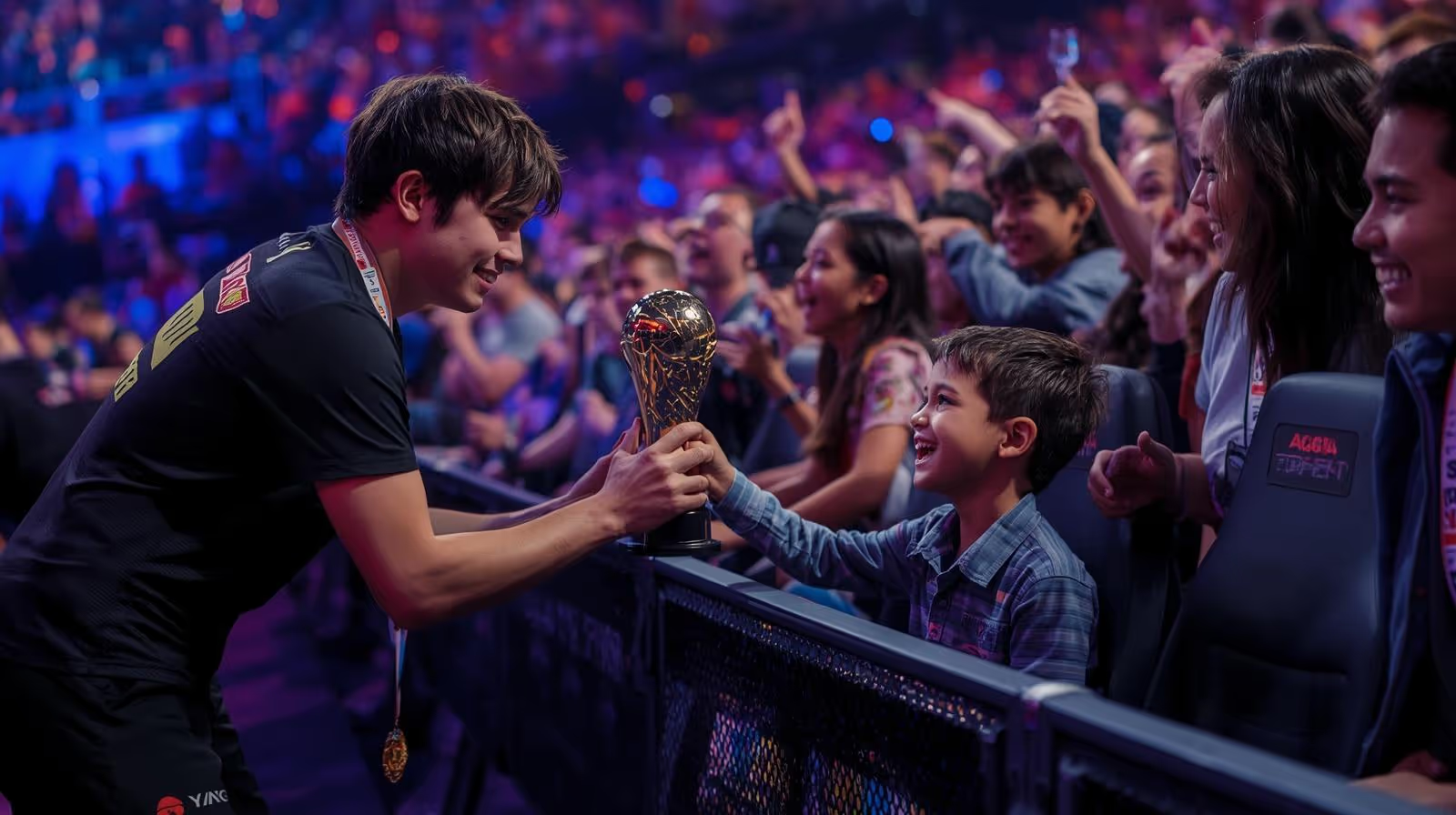

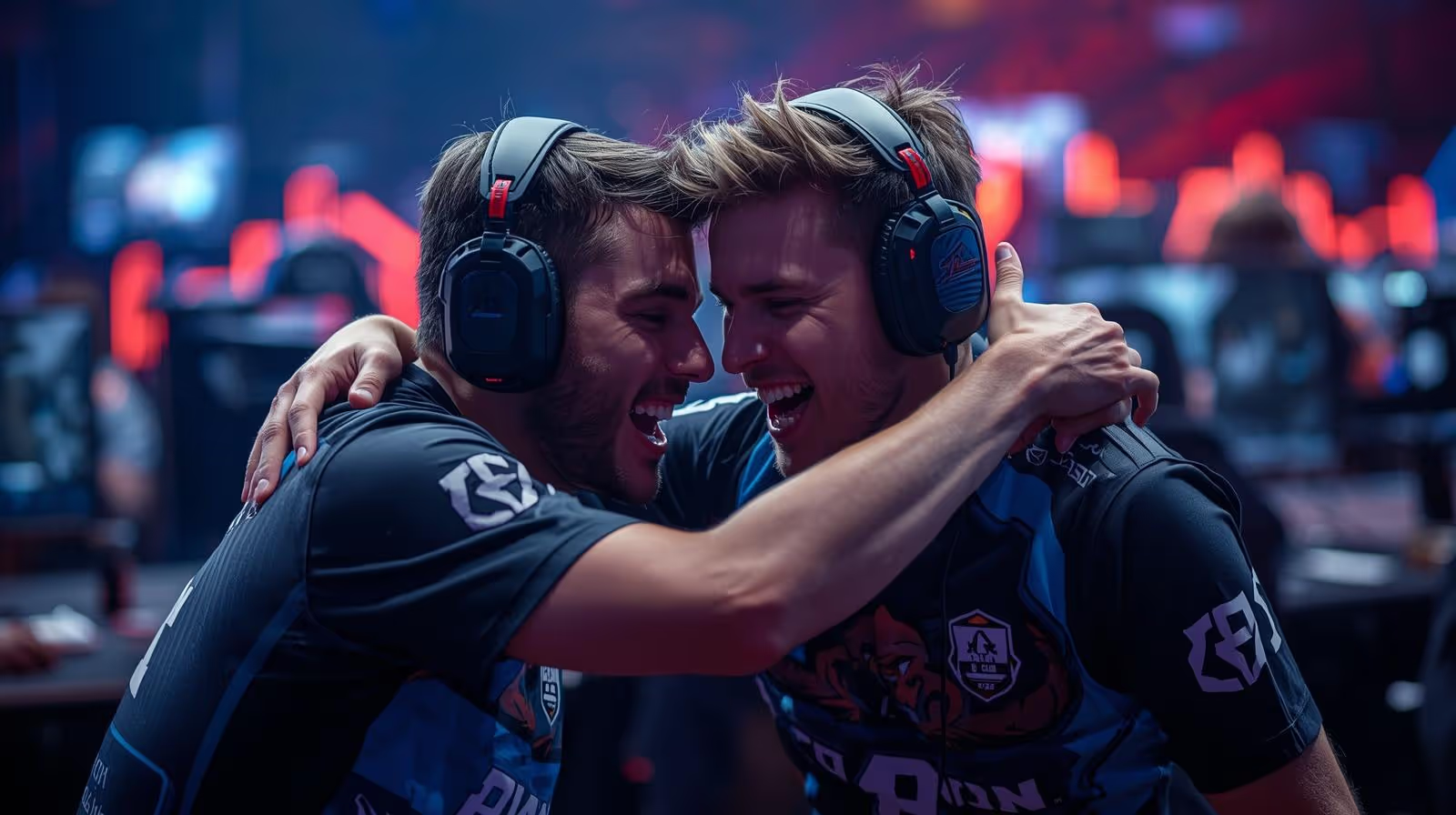

Pro esports looks like a dream from the outside. Big arenas, huge prize pools, non-stop hype. But behind the stage lights, players deal with constant stress, public blame, and contract fights that can rip friend groups apart.
In a scene where one bad split, missed shot, or leaked scrim can turn fans against you, it feels rare for any friendship to last. Still, some esports friendships do survive cheating scandals, match-fixing, roster cuts, and lawsuits.
This article walks through seven real stories from games like League of Legends, CS:GO and CS2, Valorant-adjacent lineups, Overwatch, Dota 2, and Fortnite. Each bond went through heavy drama and came out at least partly intact. Every story ends with a clear lesson that any team, friend group, or ranked stack can use when things get messy.
Why Friendships In Pro Esports Are So Hard To Keep
Esports looks like fun, but pro play is a pressure cooker. Every match is streamed, every stat is public, and every decision gets judged by thousands of people who were not in the room.
Players deal with:
- Constant travel
- Strict practice schedules
- Public criticism from fans and talent
- Org politics and contract talks
All of that sits on top of normal human stuff like sleep, health, family, and keeping your head straight. One week you are joking with a teammate in a team house. The next week you are fighting them for a starting spot or a better contract.
A simple role swap can hurt feelings. A benching can turn a friend into a rival overnight. Agents whisper different numbers. Org staff push their own plans. Small disagreements get screenshotted, clipped, and turned into drama content.
Social media makes it worse. A vague tweet, a leaked DM, or a heated stream highlight can explode into a fan war. Suddenly two people who were texting each other that morning are getting spammed with, “He betrayed you, drop him.” Without strong trust, those cracks turn into full breaks.
That is why the seven friendships below stand out. They are not normal. They are examples of players choosing loyalty and respect in a space that rewards clicks and blame.
Scrims, Streams, And Stress: What Players Deal With Every Day
A normal day for a pro is not glamorous. Think of it like a full-time job plus homework on camera.
Most players deal with some mix of:
- Team scrims for several blocks
- VOD review with coaches and analysts
- Solo practice in ranked or aim trainers
- Physical training or gym time
- Brand shoots, sponsor posts, or interviews
- Streaming to keep their audience alive
Where does real life fit into that? Many live in team houses or gaming apartments, so work and home are the same place. If a teammate tilts you in scrims, you see them again in the kitchen. If you lose a key series, everyone hears it through the wall.
Late-night ranked, burnout, and constant public watching make it hard to relax. Friendships need time, space, and calm talks. Pros often do not get any of that.
Money, Contracts, And Roster Moves That Test Any Friendship
On top of stress, there is money. Spots on top teams mean higher salaries, better sponsors, and more viewers. One roster move can change a career.
Friends can end up:
- Competing for the same starting role
- Arguing over salary or buyout terms
- Getting different offers from the same org
Agents and orgs add more pressure. An organization might ask one player to stay quiet about contract details. Another might feel forced to accept a deal that puts their friend at risk of being cut.
Sometimes one friend stays on the team while the other gets dropped or traded. Even if no one intended harm, it can feel like betrayal. Fans often blame the one who stayed, which pushes more anger into private chats.
In that environment, staying close takes real work. The friendships below show what that work can look like.
The 7 Friendships That Survived Pro Esports Drama
Each of these seven stories has three parts: what happened, what almost broke the bond, and how the players stayed connected anyway. The details differ, but the patterns are clear. Loyalty, honest talks, and respect matter more than perfect results.
Bjergsen And MikeYeung: Veteran And Rookie Bond Through TSM Roster Chaos
Søren "Bjergsen" was already a star mid laner when Kai "MikeYeung" joined Team SoloMid as a young jungler. TSM was in a period of heavy change, with fans expecting trophies and flaming hard when lineups failed.
Every bad game turned into threads about who should be cut. Analysts questioned draft, synergy, and mental strength. For a rookie, walking into that kind of pressure beside a legend could have been a nightmare.
Instead, Bjergsen stepped into a mentor role. He talked with MikeYeung about pro lifestyle, mindset, and how to reset after rough scrims. In interviews and content, he defended his young teammate, called out his talent, and took part of the blame when things did not click.
Rosters changed and lineups moved on, but respect stayed. MikeYeung has spoken about learning a lot from Bjergsen, and there has been no public bitterness between them.
Takeaway: Strong mentorship can turn a short, rocky team stint into a long-term friendship built on respect.
The Old iBUYPOWER Core: Staying Close After CS:GO Match-Fixing Bans
The iBUYPOWER CS:GO squad became one of the most infamous teams in esports after a match-fixing scandal. In simple terms, some players threw a match for skins and money. When the story came out, they were banned and the community was furious.
Careers that were rising fast hit a wall. Tournaments shut them out, fans spammed hate, and their names became a warning story. Many teams and talent distanced themselves.
Inside that storm, some of the core players, including Sam "DaZeD" Marine, kept contact. They streamed together, talked about past mistakes, and faced questions head-on. They did not turn on each other in public to get favor back from the scene.
They owned what happened as a group and tried to move forward together, even with limited chances.
Takeaway: When friends share a mistake, taking responsibility together can protect the bond, even if careers never fully recover.
Geguri And Her Support Circle: Friendship After Cheating Accusations In Overwatch
Se-yeon "Geguri" became famous as a tank player whose aim and decision-making looked unreal. Some rivals and community members decided her play was “too good” and accused her of cheating.
The accusations blew up. People doubted her skill, called her a fraud, and questioned her place in pro play. For a young player, facing that kind of public doubt can crush confidence.
Through it all, certain pros and close friends backed her. They posted support online, spoke well of her in interviews, and sent private messages reminding her of her real value. Some later played with her as teammates, standing beside her as she proved herself on stage.
Those who believed in her during the ugliest moment built trust that goes beyond a normal team bond.
Takeaway: When a friend is unfairly attacked, public support and private care can create friendships that last far beyond one roster.
Solo And Loyal Dota 2 Teammates: Coming Back From A Match-Fixing Past
Alexei "Solo" Berezin had a match-fixing punishment early in his Dota 2 career. Many thought that would haunt him forever. Once a player has that label, it is hard to gain back trust.
Solo did return to top play and later captained strong teams. That comeback did not happen alone. Some old teammates and friends chose not to cut him off for life. They scrimmed with him, practiced, and talked honestly about mistakes and trust.
The wider community stayed unsure for a long time, but private groups still believed he could change his behavior and lead serious teams. That belief helped him find structure, improve, and rebuild his name step by step.
Takeaway: A player with a bad past can still rebuild if friends are honest, set clear lines, and choose to believe in change.
Semphis And Former Cloud9 Teammates: Staying Honest After The Adderall Confession
Kory "Semphis" Friesen shocked viewers when he openly said in an interview that he and some teammates used Adderall during big CS:GO events. His words kicked off a long talk about performance drugs in esports and damaged reputations.
Fans argued about rules, fairness, and how common that behavior was. Tournament organizers faced pressure to respond. Players linked to the story took heat from both sides.
Even with that weight, former Cloud9 teammates did not cut Semphis out forever. Over time they appeared together in content and streams, joked about the past within reason, and showed that they still talked.
They did not pretend nothing happened, but they also did not let one bad chapter erase every good memory.
Takeaway: Owning a shared mistake, instead of hiding it or blaming others, helps a group protect their personal bond.
Chovy, cvMax, And The Griffin Fallout: Respect After A Messy League Split
The Griffin story in the LCK was one of the messiest sagas in League of Legends. There were public claims of mistreatment and contract problems that pulled in both staff and players. Coach Kim "cvMax" Dae-ho and star mid laner Jeong "Chovy" Ji-hoon sat near the center of the storm.
Orgs split, people moved to new teams, and fans argued about who was right. It would have been easy for players and coaches to blast each other in interviews just to protect themselves.
Instead, many of the comments that did reach the public showed care and respect. Even when they could not work together, there were kind words about work ethic, talent, and shared memories. Private contact helped them keep at least some measure of friendship beyond the drama.
Takeaway: You can disagree with how an organization handled things and still respect, or even stay friends with, the people you worked with inside it.
Forsaken And Former Teammates In India: Staying In Touch After A Cheating Scandal
Forsaken from OpTic India became a global headline when officials caught him using cheat software during an official CS match. The story blew up, the roster collapsed, and hate poured over the entire lineup, not just him.
For the other players, it felt like their hard work vanished in one moment. Sponsors left, fans spammed insults, and their names got tied to a scandal they did not plan.
Even with all that anger, some former teammates and peers did not fully cut Forsaken off as a person. They still talked off stream, gave advice, or checked in on his life, even while they tried to rebuild their own careers separately.
Takeaway: You can stay angry about what a friend did, protect your own name, and still care about their future as a human being.
Tfue And FaZe Era Friends: Personal Bonds After A Public Lawsuit
Turner "Tfue" Tenney and FaZe Clan turned Fortnite content into a massive brand. Then a legal fight over contract terms and revenue splits exploded into public view. The lawsuit became one of the biggest stories in esports, with everyone picking sides.
The drama hit shared friend groups and content circles. Some creators were signed to FaZe, some were closer to Tfue, many were caught in the middle. Social media wanted clear “good guy versus bad guy” lines.
Behind the scenes, not every friendship broke. Some people kept private chats going even as they stayed quiet or neutral in public. Later collaborations and friendly streams showed that, for at least some of them, personal bonds survived the contract war.
Takeaway: Org drama does not have to destroy one-on-one friendships when both sides respect boundaries and private trust.
What These 7 Esports Friendships Teach About Loyalty And Conflict
Across all these stories, the same lessons appear again and again. The details change, but the habits that keep friendships alive look very similar.
Players who stay close through drama often:
- Speak up for each other in public
- Keep hard talks private instead of leaking them
- Share blame when things go wrong
- Separate business moves from personal respect
- Support each other even when careers go in different directions
Young competitors can apply the same ideas to school leagues, tier-two teams, or simple ranked stacks. You might not be fighting over pro contracts yet, but ego, swaps, and tilt show up everywhere.
Key Habits That Help Friendships Survive Drama
Some habits show up in almost every story above.
Check in off stream:
Real friendship lives in private. A simple message after a rough series or viral clip says, “I care about you, not just your stats.”
Do not leak private talks:
Leaking DMs or scrim drama might farm views, but it kills trust. When people know you keep private talks private, they feel safe being honest.
Stand up for friends against unfair hate:
Look at Bjergsen with MikeYeung or Geguri’s support circle. A few clear words in an interview or tweet can calm a lot of noise.
Accept when someone needs to leave a team:
Rosters change. When a friend gets cut or you take their role, talk it out. Make space for hurt feelings, but do not confuse a team decision with a personal attack.
Set clear lines about money and contracts:
If you mix friendship and business, talk details early. Who owns what? Who signs where? Clear rules now save friendships later.
Own shared mistakes together:
Whether it is match-fixing, banned software, or rule-breaking, hiding or blaming others only splits people apart. Admitting what happened, like Semphis did, can at least protect honesty inside the group.
How Esports Fans Can Support Healthy Player Friendships
Fans also shape how friendships survive. Community behavior adds pressure or removes it.
Support healthy bonds by:
- Avoiding witch hunts and blame spam after every loss
- Ignoring low-effort drama clips that twist every sentence
- Not forcing “ships” or fake beef between players who are just friends
- Backing positive content, charity events, and chill streams
- Talking about players as people, not just fantasy points or bet slips
If you love a duo or a core lineup, ask yourself one thing: are your comments making it easier or harder for them to stay friends after a bad split?
Turning Pro Esports Drama Into Stronger Bonds
Drama is not going away in esports. High stakes, big money, and public feeds guarantee stress and conflict. What can change is how people use those moments.
The seven stories in this article show that friendships do not have to die every time a scandal breaks. Mentors can guide rookies through chaos. Teammates can share blame instead of throwing each other under the bus. Coaches and players can keep mutual respect even when they part ways.
When people choose honesty, private care, and smart boundaries, drama can expose who your real friends are and make those bonds tighter.
Lessons For Players, Teams, And Viewers Who Love The Scene
If you are a player, talk early when something feels off. Do not wait for the Reddit thread or the lawyer email. Honest words in a Discord call can save a friendship that a bad scrim might ruin.
If you are a coach or manager, remember that roster moves affect people, not just stats. Give players time to process changes. Encourage them to talk like humans before they tweet like brands.
If you are a viewer, keep in mind that nicknames on your screen still text each other after the stream ends. They share rides, meals, and late-night calls you never see. Your words in chat can either support that or poison it.
Think about your own ranked squad, school team, or friend group. When the next argument hits, do you want to copy the worst esports dramas, or the friendships that survived them?
Conclusion
Pro esports can feel loud, messy, and harsh, yet some friendships stay strong inside all that noise. From Bjergsen backing MikeYeung during TSM chaos to the old iBUYPOWER core facing their match-fixing past together, loyalty shows up in hard moments, not easy ones.
Geguri’s support circle, Solo’s second chance, the Semphis and Cloud9 group, and bonds around Tfue and FaZe all point to the same truth. Competitive fire and personal loyalty can live side by side when people pick trust over clout.
As you follow your favorite teams or queue with your own stack, ask yourself: which of these stories do you want your friendships to look like? And when your next bit of drama hits, who will you choose to be for the people on your side of the screen?