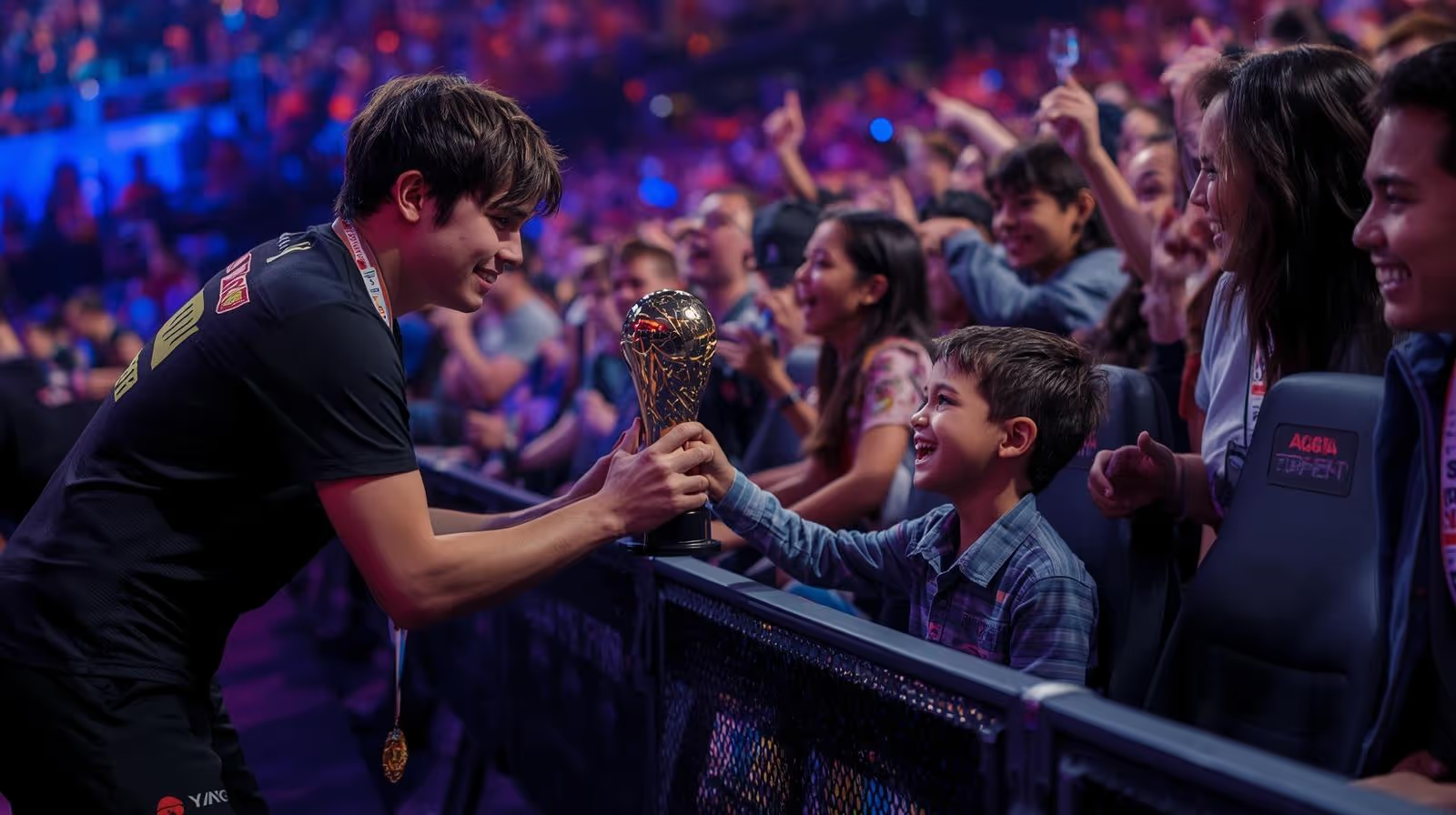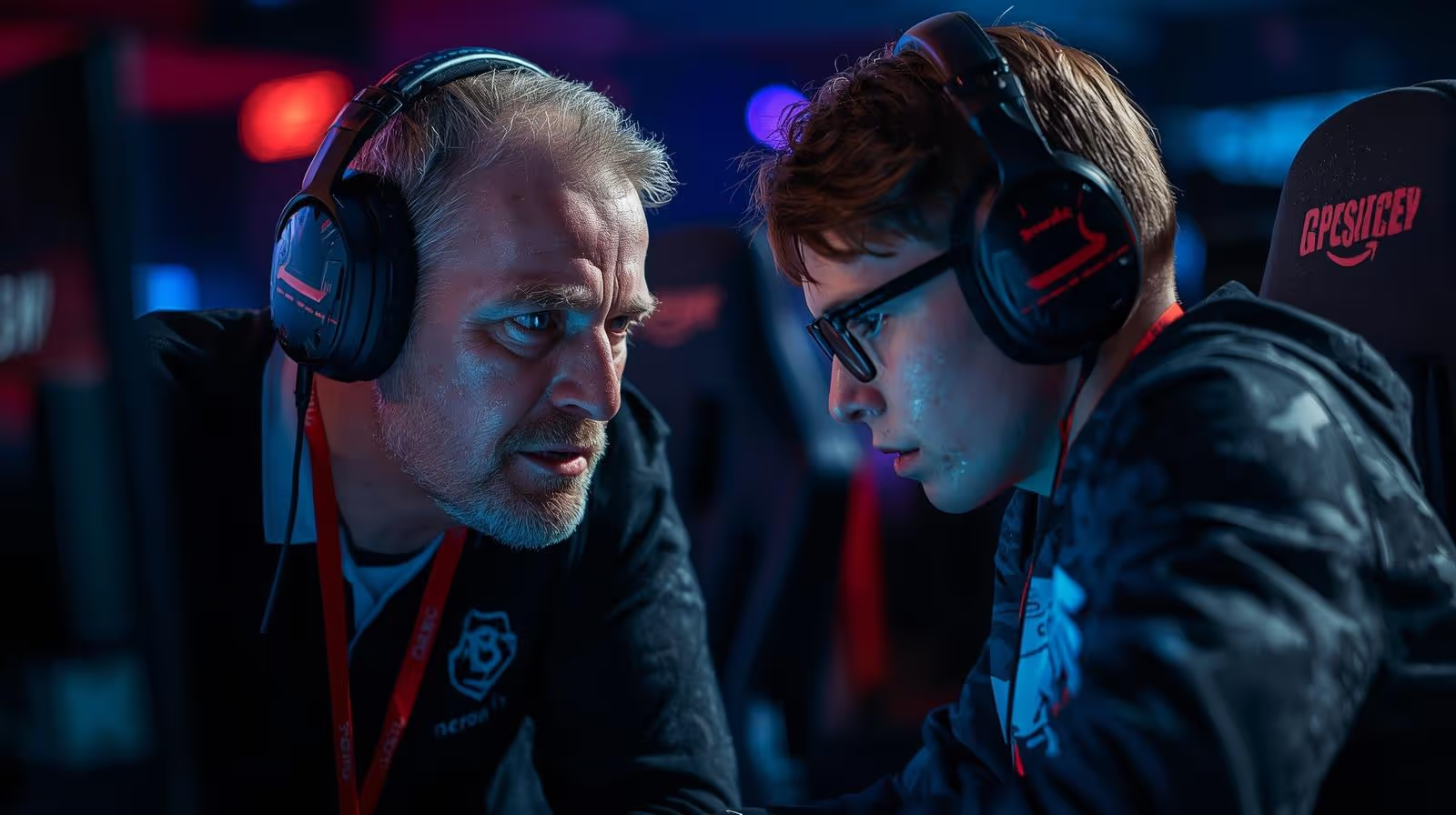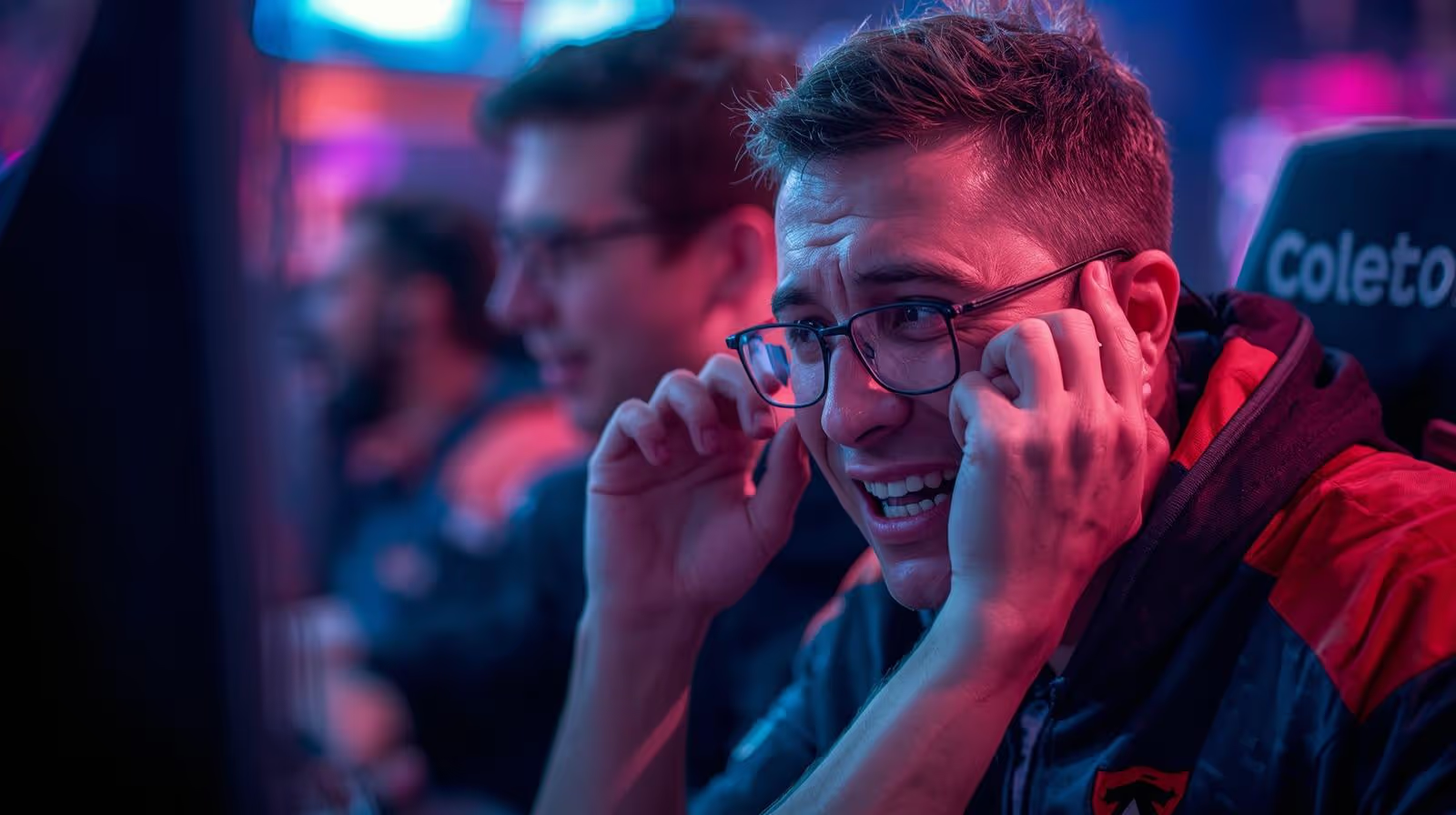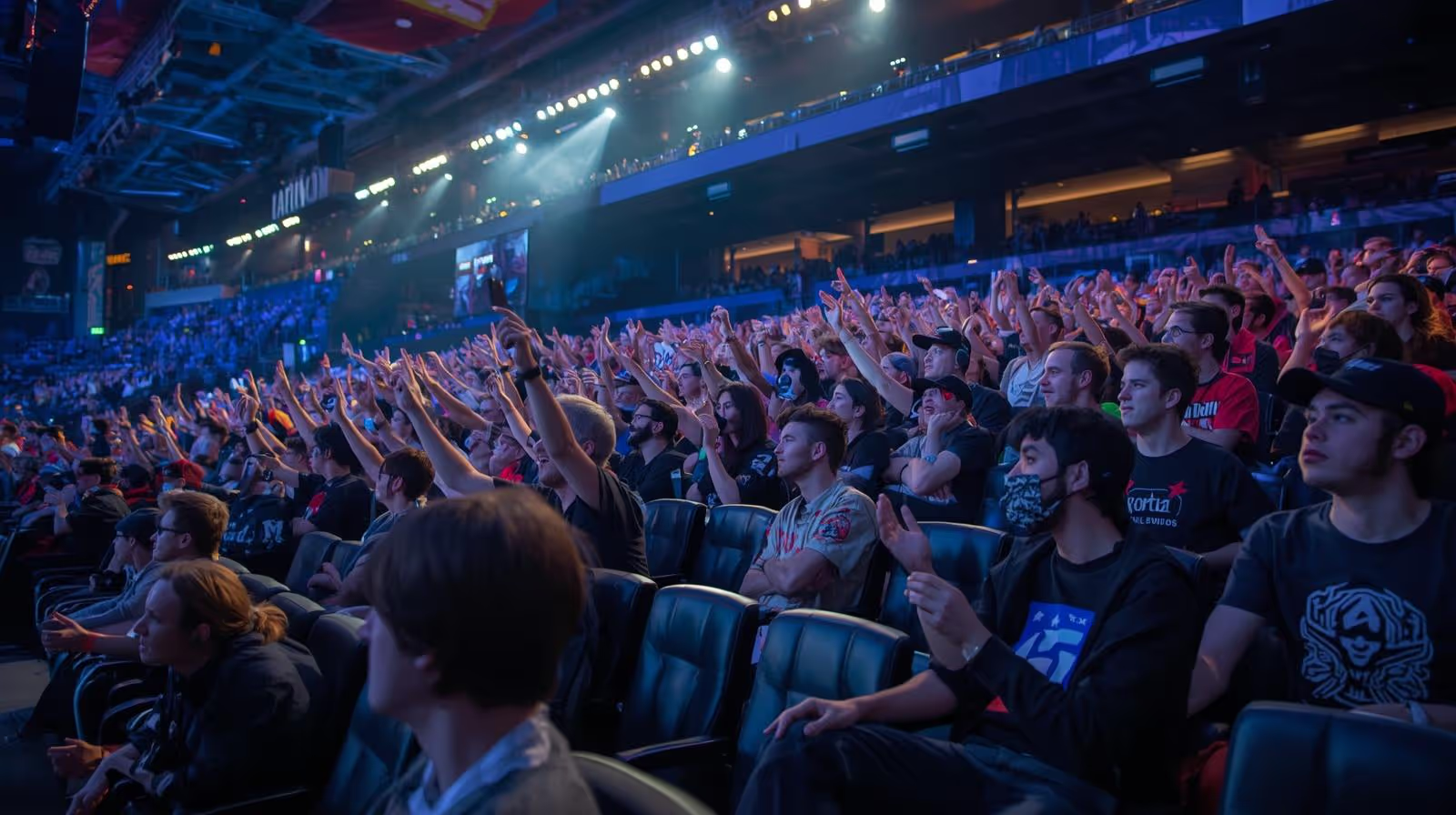

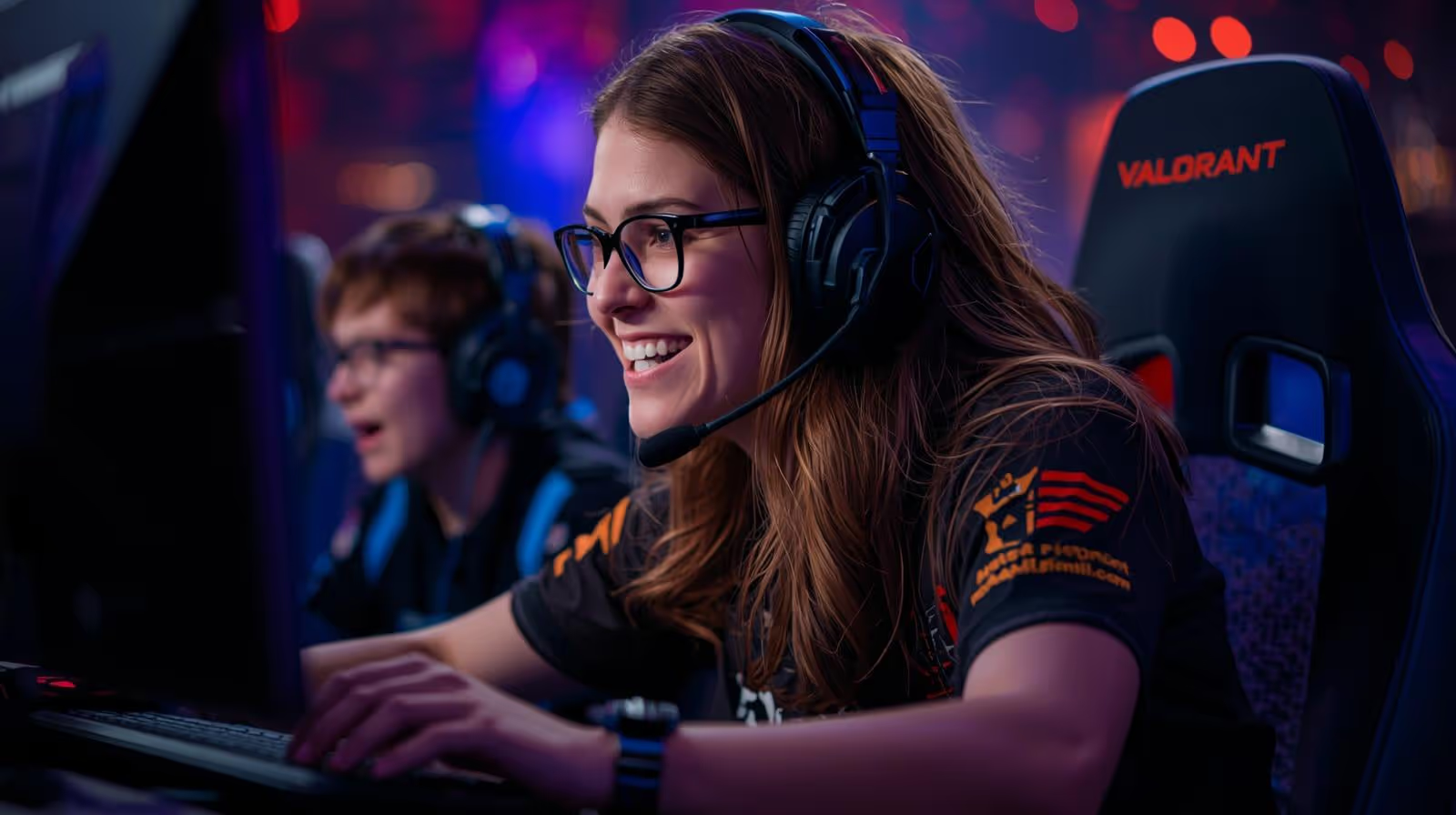

Her hands hovered over a glowing keyboard, fingers stiff, heart racing.
The buy phase timer ticked down, agents chattered on screen, and a nervous mom whispered into her mic, “Ok beta, what do I buy again?”
This was her first real ranked Valorant match, not as a spectator behind the chair, but as a teammate, locked in duos with her son.
Stories like this are no longer fantasy. They echo what real moms such as Pushpa Pandey, better known as Gamer Mummy, have done by jumping into Valorant to share games with their kids. Valorant is a 5v5 tactical shooter where two teams fight to plant or defuse a spike. Aim, strategy, and good communication decide who wins.
This post is for esports fans, parents of gamers, and players who love human stories inside competitive games. It is about what happens when a parent chooses to learn a hard game not for clout, but for connection.
You will see why a mom would grind Valorant for duos, how she actually learned the game, how it changed her relationship with her son, and what other families and gamers can take from this kind of story.
Why Would a Mom Learn Valorant Just to Play Duos With Her Son?
On paper, it sounds strange. Valorant is fast, loud, and filled with slang that can feel like a different language. Most parents see it as “that shooter my kid plays too much.”
So why would a mom step into that space on purpose?
The answer usually starts with something simple: love and curiosity. Her son talks about ranks, agents, and clutch rounds every day. He lights up when he explains a crazy ace. She sees how much it matters to him.
At first, she may just watch over his shoulder. Then she asks questions. Who is Jett? Why does everyone yell “rotate”? Over time, curiosity turns into a decision. Instead of staying outside his world, she tries to join it.
From "What Is Valorant?" to "Queue Us for Ranked"
In the beginning, she barely knows what Valorant is. She only knows that her son keeps asking for “just one more match,” and that names like Reyna and Sova pop up in his stories.
One day, she sits down and asks, “Show me your game.” He explains the basics, how attackers plant the spike and defenders stop them, and how each agent has unique abilities.
Then she drops the bomb: “Can we play together sometime?”
The idea of duos becomes their shared project. He wants to show off his favorite maps, she wants to survive more than ten seconds. Jokes start flying in the house. “Mom, I will carry you out of Iron.” “First let me learn how to walk and shoot, Mr Radiant.”
The mood stays light, but the goal is real. They are not just passing time, they are building a new way to hang out.
Choosing Connection Over Comfort Zone
Many parents feel locked out of their kid’s gaming life. They see a headset, a closed door, and hours lost to a screen. It can feel safer to complain than to join.
Choosing Valorant duos is the total opposite of that. It means picking connection over comfort. This mom accepts that she will be bad at first. She will die to angles she never knew existed. Younger players may laugh at her crosshair placement.
But she shows up anyway, because it is less about becoming a pro and more about sharing what her child loves. She wants to:
- Understand his hobby instead of judging it
- Spend real time together, not just “How was your day?”
- Support his esports or streaming dreams from inside the game, not outside
Learning Valorant becomes a quiet way of saying, “Your passion matters to me.”
What Made Her Story Go Viral in the Esports World
When clips of moms grinding Valorant hit social feeds, people notice. It looks so different from the usual highlight of cracked aim or rage moments.
Viewers see a mom miscalling abilities, asking “What does this orb do again?” and then laughing when she flashes her whole team. They hear her son patiently say, “Nice try, you are improving,” after a whiffed spray.
That contrast is powerful. Valorant is known for young, sharp, ultra-competitive players. A parent stepping into that space, taking the heat, and still queuing again, feels fresh and honest.
Esports fans share these clips because they show teamwork without ego. A mom and son rejoicing over a simple 2k round can be more charming than any perfect ace. The story becomes less about rank and more about heart.
How a Total Beginner Mom Actually Learned Valorant
Behind every wholesome clip, there are hours of confusion, trial, and practice. Learning Valorant from zero is not easy at any age.
So how does a mom go from “Which button shoots?” to “Queue us for ranked, I am ready”?
Her journey runs through small, stacked steps, always with her son beside her as coach and duo partner.
Day One: Setting Up, Making a Riot Account, and Surviving the Tutorial
Day one starts with basics. Downloading the game. Making a Riot Games account. Waiting through the install while her son explains why the game is free but skins are not.
Once inside, they open settings together. He lowers mouse sensitivity so she can control her crosshair. They map keybinds in a way that feels natural for her fingers. They balance sound levels so footsteps and gunfire are clear but not overwhelming.
Then comes the practice range. She learns to move with WASD, to crouch, to aim at head level. Her first few shots miss completely. Then she lands a clean hit on a bot. She smiles like she just hit a winning penalty.
He shows her how to buy a Vandal or Phantom, how recoil works, and why spraying at the floor is a bad idea. Every small win is celebrated. Surviving the tutorial without getting dizzy already feels like progress.
Learning the Language of Valorant: Agents, Roles, and Callouts
Next, she has to understand what everyone is shouting.
Her son breaks it down in simple pieces:
- Duelist: “These are the entry players. They go in first and take fights.”
- Controller: “They smoke and block vision so we can push safely.”
- Initiator: “They gather info, like Sova’s recon dart.”
- Sentinel: “They hold sites and watch flanks.”
He puts her on easier agents. Sage, who can heal and slow. Brimstone, who has simple smokes and a big ultimate. Reyna, if she likes to take fights and feels brave.
Slowly, she learns map words too. “Hookah,” “Garage,” “Heaven,” “Main.” At first it sounds like code. After a week, she hears “They are pushing B main,” and her brain knows where to rotate.
Common terms like “ult,” “utility,” and “lurker” stop being noise. She starts to use them herself, even if she still says “That fire thing” instead of “Molly” sometimes.
From Bronze Aim to Real Impact: How Practice Turned Into Progress
Curious parents often ask, “Can someone my age even improve in a shooter?” The answer is yes, if they treat it like a skill, not magic.
This mom sets a simple routine. Ten to fifteen minutes of aim practice in the range. A few deathmatches to get used to chaos. Then unranked games with her son before touching ranked.
He teaches her to warm up, to pause after deaths and ask, “Where was I standing? What did I miss?” They watch replays together. He points out risky peeks. She learns to hold tighter angles and stop swinging wide without info.
The first time she wins a 1v2, she yells so loud the neighbors probably hear. Her son calls it “clean,” and that word sticks in her head for days. Ranks still matter, but now she chases moments of real impact more than badges.
Handling Toxic Chats, Tilt, and "You Should Not Be in My Lobby"
Valorant is not always friendly. New players, especially older ones, can run into harsh comments. “Uninstall.” “Why is this mom in my game?” “You are throwing.”
She and her son prepare for this before they queue. He teaches her how to mute voice and text. He reminds her that strangers do not know her story, and that their anger says more about their own tilt than her worth.
They set rules: if a lobby gets too toxic, they mute and focus on their duo comms. If a bad game tilts them, they take a break, drink water, maybe talk about something else.
Playing together turns the rough edges of esports culture into something they can handle. Instead of facing insults alone, she has a built-in teammate who has her back.
Finding a Routine: Balancing Housework, Job, and Queue Times
Behind the screen, life keeps going. Dishes, office calls, school runs, errands. That is why routine matters.
Some moms like Pushpa Pandey talk about being a full-time gamer and part-time housewife. They time queues around cooking, cleaning, and family duties. This mom does something similar.
A simple schedule appears. Daytime is for work and house tasks. Early evening is for dinner. Later at night, they set aside one or two hours for duos. Everyone knows that slot is “their time,” so it feels special, not guilty.
Clear limits keep the game from turning into a fight at home. When the last match ends, they quit, even if they lost. That discipline keeps Valorant fun instead of stressful.
How Valorant Duos Changed Their Mother and Son Relationship
At first, Valorant is just a game they share. Over time, it becomes a common language.
Their dynamic shifts inside the server, and that shift slowly leaks into real life.
From "Do Your Homework" to "Nice Flick, That Was Clean"
Before Valorant, most of their talks are short. “Did you eat?” “Finish your homework.” “Get off the PC.”
Now their conversations include things like, “That mid swing was sick,” or “Your retake timing was perfect.” She is not just giving orders, she is giving props.
In game, they must trust each other. She holds site while he lurks. He calms her down after she whiffs a spray. They cheer when one of them tops the scoreboard.
These moments soften the sharp edges of typical parent and teen conflict. When she later asks about school or how he is feeling, the bond from clutch rounds makes those talks easier.
Building Two-Way Respect Through a Hard Game
Respect in families often flows one way. Parents expect obedience, kids expect support. Valorant shifts that balance.
The son watches his mom struggle with recoil and reaction time, but he also sees her grind, ask questions, and stay humble. That effort earns his respect in a new way.
At the same time, she realizes how smart and skilled he is. Maybe he calls strats as in-game leader, reads the enemy economy, or clutches under pressure. She does not see him as “just playing games” anymore. She sees a player with focus and talent.
They win together, they lose together, and they learn to say “My bad” without ego. Those are skills every strong team needs, inside and outside esports.
Why Shared Esports Moments Become Core Family Memories
Families often remember old sports games, trips, or festivals. Why can Valorant not sit beside those memories?
This duo builds their own highlight reel:
- The time they came back from a 3 to 9 score on Ascent
- The silly misclick that bought the wrong gun and made them laugh for weeks
- The first time team chat typed “best duo” after they closed out a tight match
Years later, those small esports stories will stand next to birthdays and holidays. They are proof that a screen can be a bridge, not a wall.
What Other Parents and Gamers Can Learn From This Valorant Mom
You do not need to stream, go viral, or hit Immortal to gain something from stories like this. Any family can treat games as shared ground.
Here is how both sides can start.
Simple Steps for Parents Who Want to Join Their Kid in Esports Games
Parents often feel lost on where to begin. The best starting point is a question: “Show me your favorite match.”
From there, a simple roadmap helps:
- Watch a few games together and ask what is happening
- Try the tutorial or practice range on your own profile
- Let your child guide you through your first unranked match
- Use voice chat kindly, even when things go wrong
Most important, let your kid be the expert. When you say, “You teach me,” you flip the usual roles in a powerful way.
Advice for Kids Who Dream of Playing Valorant With Their Parents
Many young players secretly wish their parents understood their games. Some even dream of duos.
If that is you, start by explaining why Valorant matters to you. Tell them about a big win, a favorite pro, or a dream rank. Then invite them, gently, to try.
Set up private lobbies first so they can learn without pressure. Promise to be patient and keep that promise, even when they miss easy shots. Protect them from harsh lobbies at the start by turning off open voice chat if needed.
Parents learn slower, but think about what it would mean to have them cheering next to you in queue.
From Casual Duos to Content Creation and Esports Opportunities
A humble mom and son duo can do more than just play. Some, like Gamer Mummy, turn their sessions into streams and shorts. Viewers love the mix of family banter and real improvement.
You do not need pro aim to attract an audience. You need a real story, consistent content, and chemistry on mic. A mom joking about her bad aim while her son calls strats is more memorable than another silent sweaty rank grinder.
Over time, this can lead to small sponsorships, community events, or spots on esports panels about families and gaming. What starts as a personal choice to queue duos can open doors in the wider esports scene.
Conclusion
Picture that same mom again, booting up Valorant after a long day, sliding on her headset while her son asks, “Ranked or unranked tonight?” She is still a beginner compared to most esports grinders, but she is in the server, not on the sidelines.
Her journey shows three simple truths. It takes courage to start as a complete beginner. It takes time and patience to improve at a complex shooter. Most of all, it takes love to keep queuing, even on rough nights, because the person on the other side of the duo stack matters more than the result.
What could change if more families treated games like Valorant as shared space instead of a problem that needs limits only? Maybe we would see more parents in Twitch chats, more kids teaching, and more healthy, mixed-age squads in our lobbies.
Esports does not have to belong to one generation. When a mom learns crosshair placement and callouts just so she can say “Nice clutch, I am proud of you” in real time, that is community in its purest form, and it points toward a future where gaming rooms feel a little more like home.




%20-%20EsportsShaka.avif "The Underdog Who Beat the World #1 (And Gave Him the Controller After)")