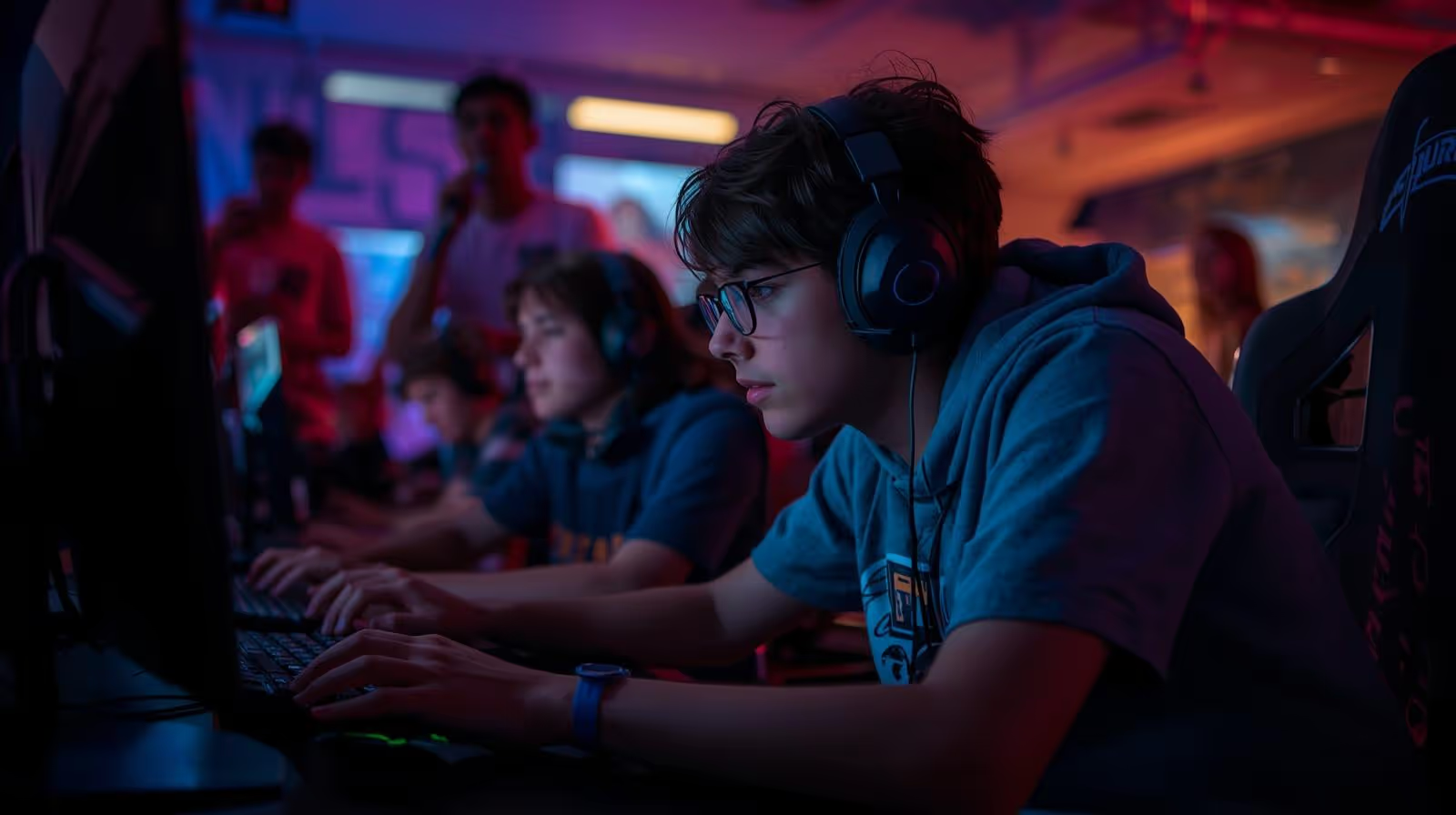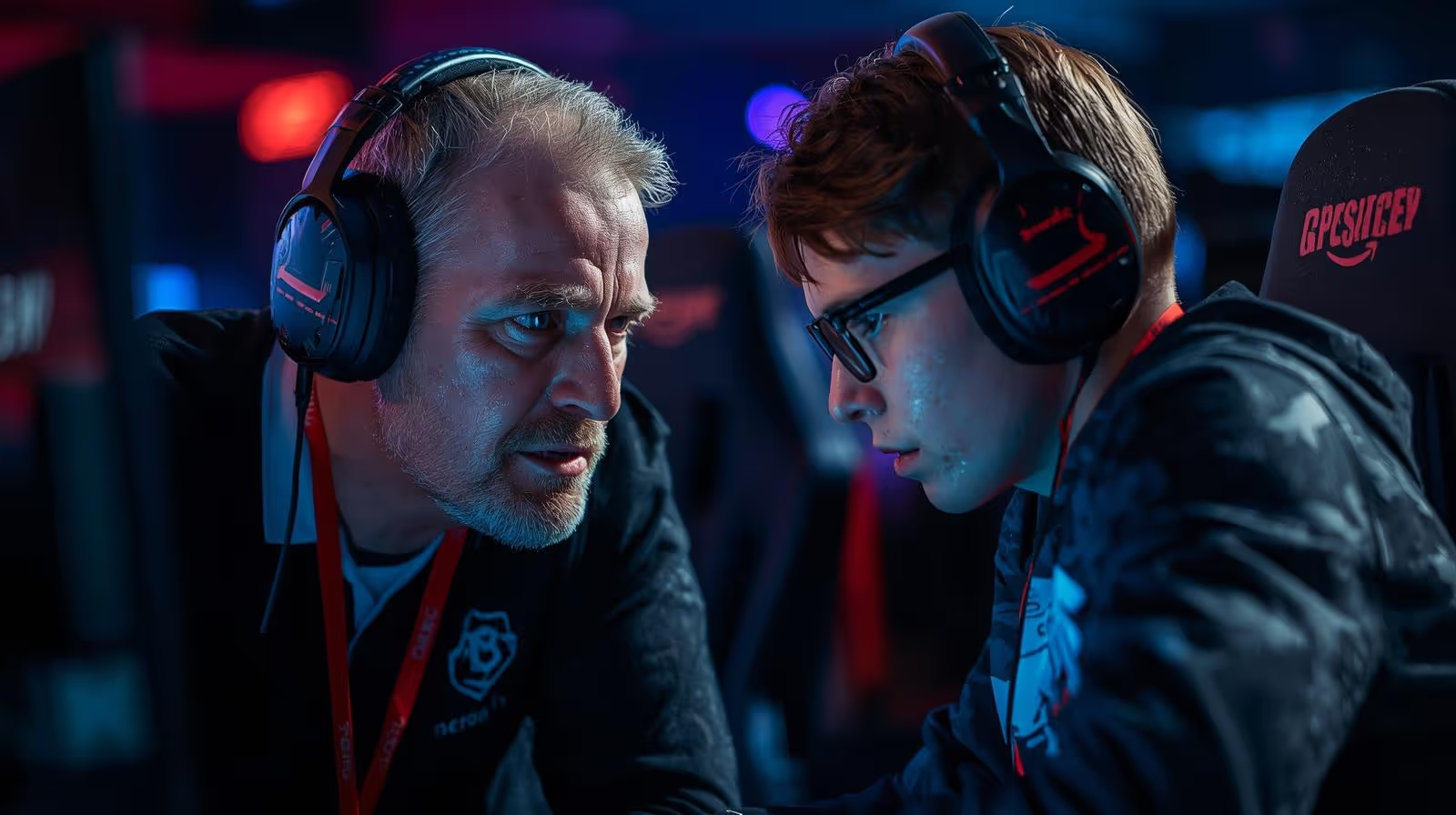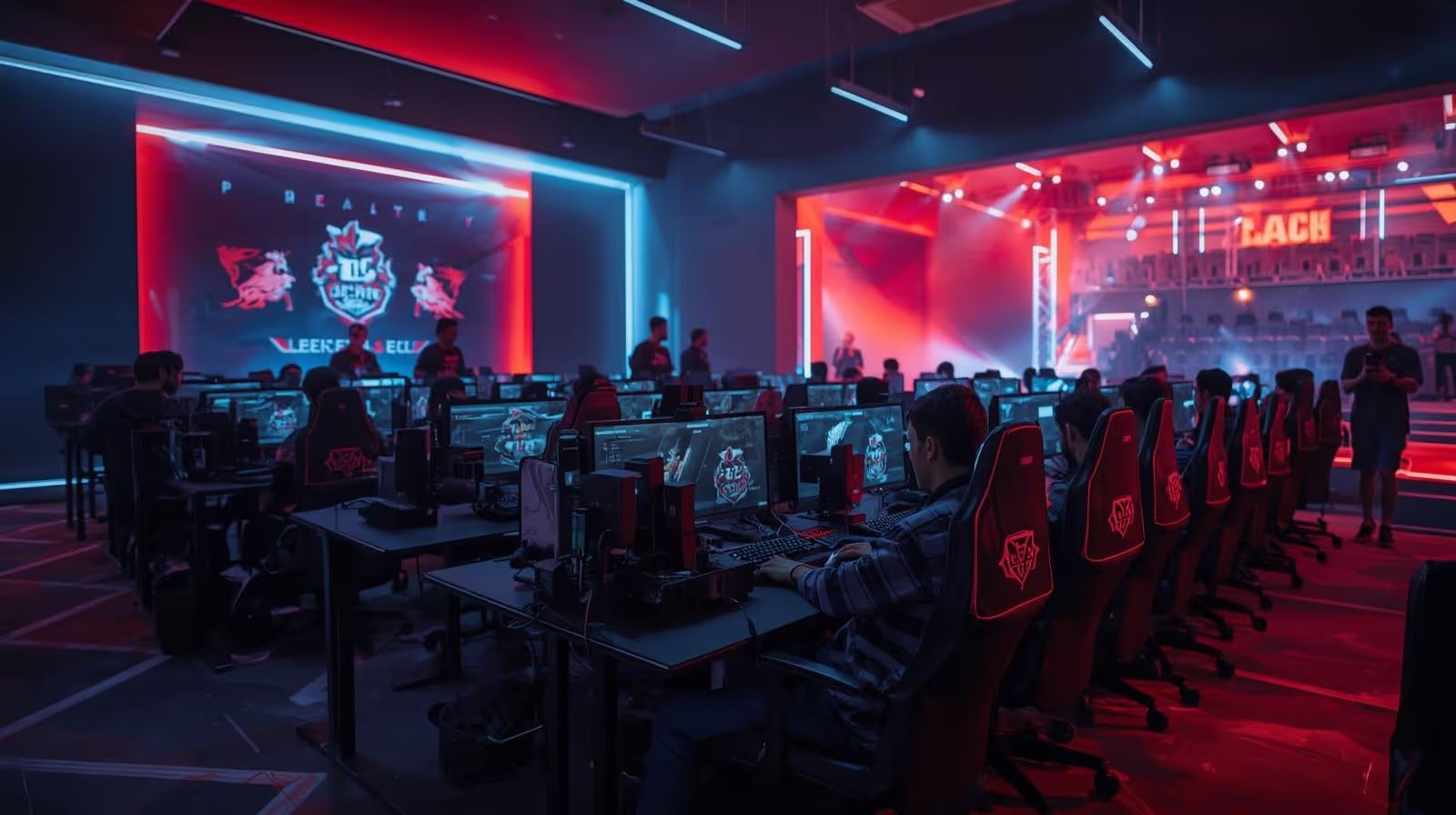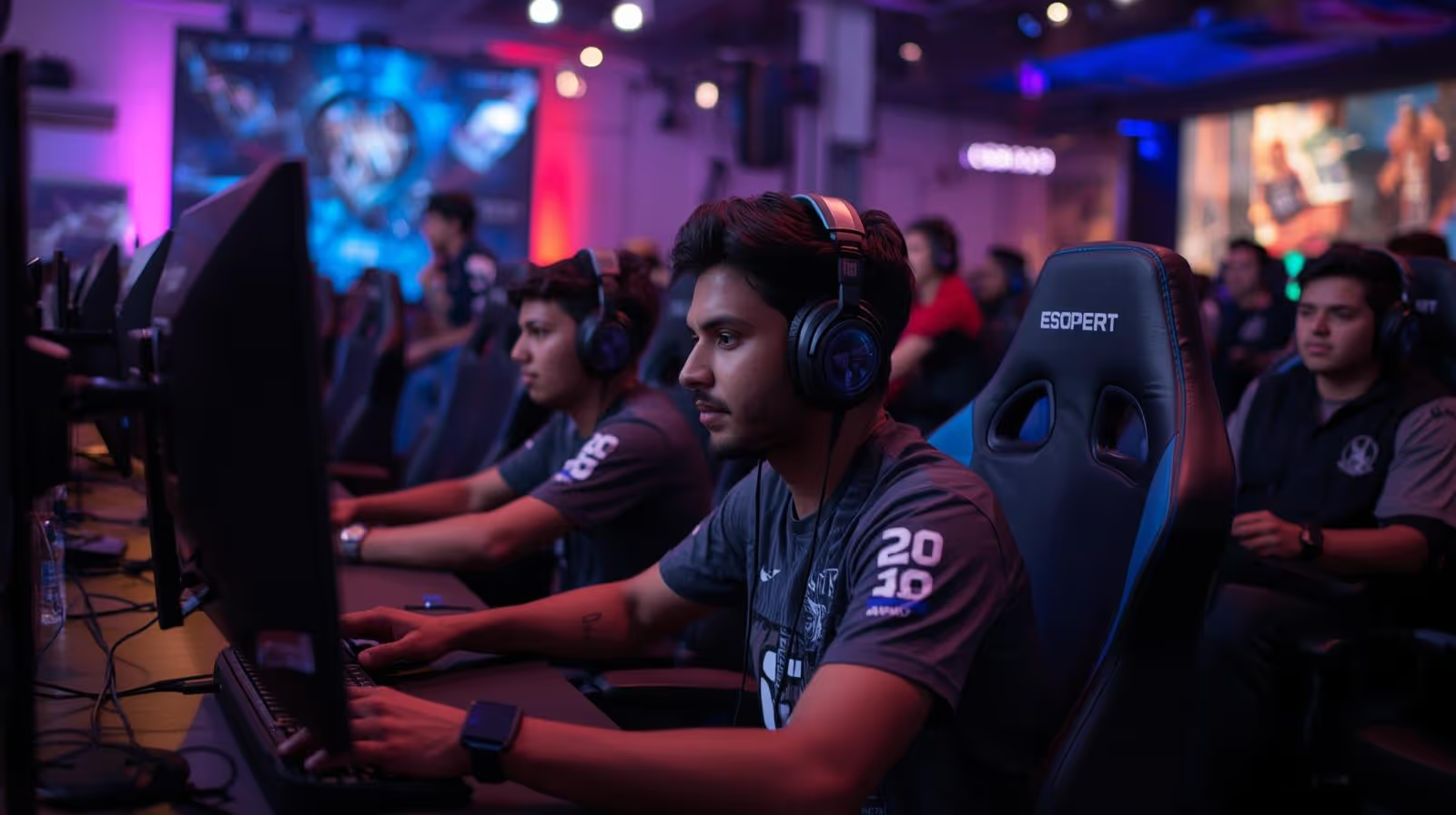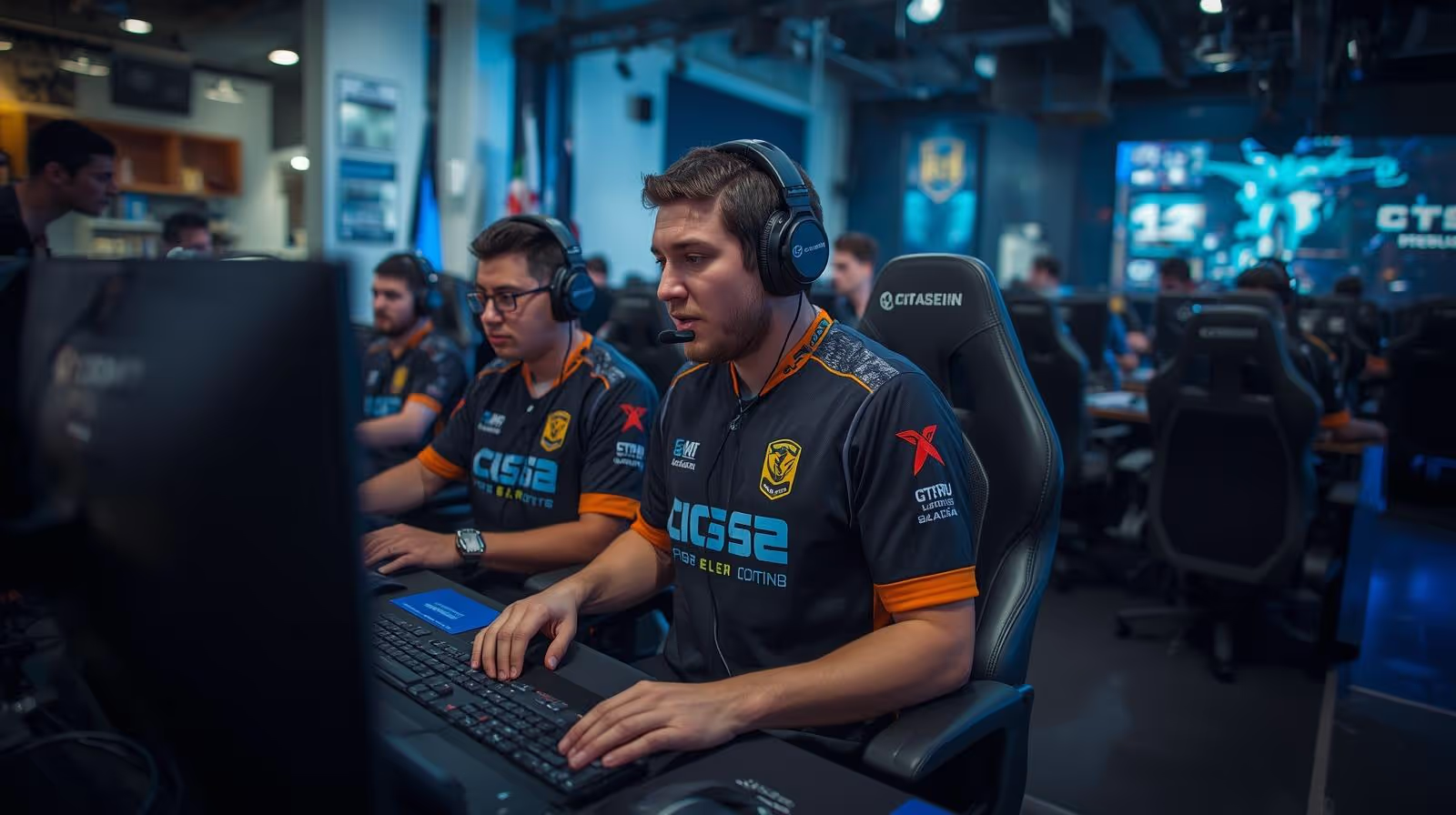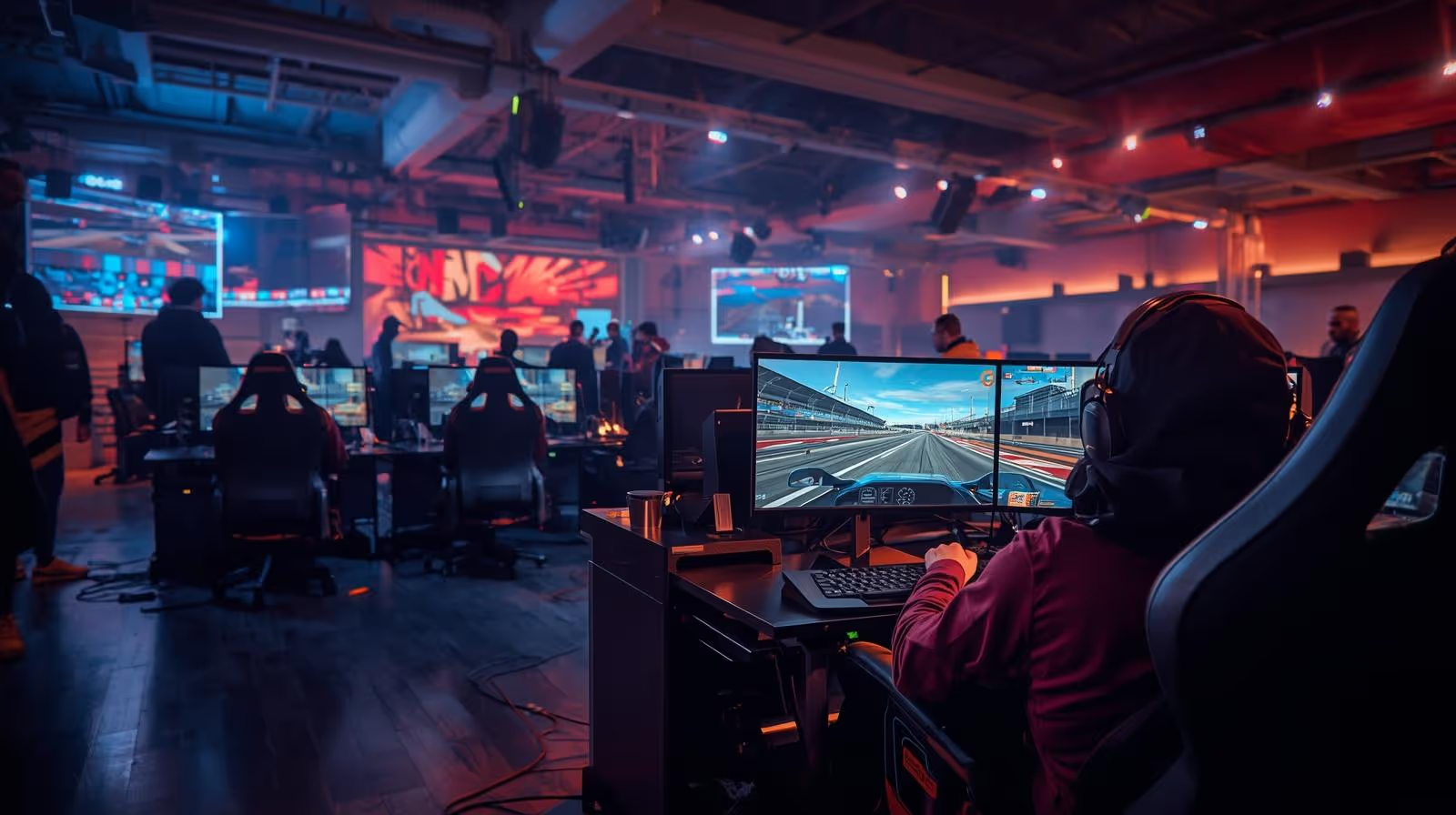


The Esports World Cup is coming back to Riyadh, and it is not just a weekend event. From July 6 to August 23, the city turns into a long, rolling esports festival with matches almost every day, across dozens of titles and stages.
If you love esports, this event is like a World Cup, a super major, and a convention all stacked into one. The EWC pulls in top clubs from every big region, across PC, console, and mobile. It mixes individual game trophies with a club race that rewards organizations for fielding strong lineups in many games at once.
For players, it is a chance at life‑changing prize money and huge exposure. For orgs, it is a rare moment where a full club project across multiple titles really matters. For fans, it is seven weeks of storylines, crossovers, and late‑night VOD marathons. This guide walks through what the event is, why Riyadh keeps hosting it, how the schedule works, which games to watch, what is new this season, and how to follow the action from home or in person.
What Is the Esports World Cup and Why Riyadh Matters
At its core, the Esports World Cup is a global, multi‑title esports festival. Think of it as a giant season finale where many of the biggest games hold their own top‑level tournaments in one place, over one long window.
Instead of one league or one publisher event, the EWC brings together around two dozen esports titles. Each title has its own format, its own stars, and its own trophy. On top of that, there is a club race that rewards full organizations for results across many games. That mix gives the event a special flavor that feels different from a normal single‑game world championship.
Riyadh hosts the festival again because the city now has the venues, experience, and backing to run a long, high‑pressure esports project. Large arenas, strong production partners, and a purpose‑built festival area turn the event into a summer hub for players and fans.
How the Esports World Cup format works
The EWC format looks complex at first glance, but the big picture is simple.
- Many different games, each with its own tournament
- Clubs score points across those games in a shared ranking
- Players and teams still focus on winning their own title
Each participating game runs a full event. That usually means group stages or qualifiers, then playoffs, then a grand final. Winners take home a trophy and a cut of the prize pool for that game.
Esports clubs then layer on top of that. A club might bring:
- A League of Legends roster
- A Counter‑Strike 2 roster
- A VALORANT roster
- A PUBG Mobile squad
- A fighting game specialist
Every finish in those games gives the club points in the overall Club Championship. At the end of the festival, the highest‑scoring club wins the club title and a separate prize.
So players still chase their usual goals, like lifting the Dota 2 trophy or winning a TEKKEN 8 bracket. At the same time, the club staff track every upset, every map win, every bracket run, because it all feeds into the bigger club race. That structure helps fans care about games they might not usually watch, since their favorite club might be active across half the schedule.
Why the EWC keeps returning to Riyadh
Why has Riyadh become the home base for this event? The answer is mostly about scale.
The city now hosts large arenas, dedicated festival zones, and stages that can swap from tactical shooter to fighting game in a single day. Strong local investment in esports makes it easier to bring in broadcast crews, build fan zones, and support a seven‑week schedule with daily shows.
For visiting fans, Riyadh sits within reach of Europe, Asia, and Africa, with more routes opening each year. That mix helps the live crowd feel global, with jerseys and flags from many regions in the same stands.
Around the main matches, organizers set up:
- Free‑play gaming zones
- Meet‑and‑greets with streamers and pros
- Concerts and shows aligned with the daily schedule
The result feels like a mix of a major sports tournament and a gaming expo. For players, that means packed arenas, long practice days, and a lot of media. For fans who attend or watch online, it means a steady stream of content, from early‑morning matches to late‑night highlight reels.
Dates, schedule, and key games to watch at the Esports World Cup in Riyadh
The Esports World Cup in Riyadh runs from July 6 to August 23, with about seven weeks of live competition. That does not mean every game plays every day. Instead, titles are grouped into blocks, themed weeks, and weekend finals.
More than 20 titles are already in the plan, with a few more expected to join closer to the festival. Big names like League of Legends, Dota 2, Counter‑Strike 2, VALORANT, EA Sports FC, and PUBG share space with mobile hits and fighting games.
Exact match times shift as brackets are confirmed, so fans should always check the official site or game pages for day‑by‑day schedules. Still, there is a clear flow to the event that makes it easier to plan.
Full festival window in Riyadh: early July through late August
From July 6 to August 23, the festival runs almost nonstop in Riyadh. The window is long, but your viewing schedule does not have to be.
Early July often focuses on:
- Opening ceremonies and showcase matches
- Group stages for several titles
- The start of mobile and battle royale events
Mid‑festival weeks then bring more playoffs, crossovers, and club storylines as point totals grow. You might watch a VALORANT semifinal in the afternoon, then swap to Mobile Legends in the evening, all under the same event banner.
The final weeks shift toward:
- Grand finals for the biggest titles
- Decisive matches for the Club Championship
- Special closing shows and awards
If you picture it like a sports league, early weeks feel like the regular season, mid weeks like playoffs, and the last weekends like a packed finals weekend stretched across several days.
Major esports titles on the EWC stage
Organizers plan for around two dozen titles, with about 21 already known and a few more to come. The lineup covers most major esports genres so every type of fan has something to follow.
Some of the key titles include:
- League of Legends: A 5‑on‑5 PC MOBA where teams push lanes and destroy the enemy nexus.
- Dota 2: Another deep 5‑on‑5 MOBA with huge late‑game fights and wild draft mind games.
- Counter‑Strike 2: A tactical first‑person shooter where teams swap between attack and defense across short, tense rounds.
- VALORANT: A tactical shooter that blends gunplay with hero‑style abilities and bright, stylized maps.
- EA Sports FC: A football simulation series where pros show high‑level play in 1‑on‑1 matches.
- PUBG and PUBG Mobile: Battle royale titles with large maps, survival play, and intense late circles.
- Call of Duty titles and Apex Legends: Fast shooters with both arena and battle royale modes in the mix.
- Honor of Kings and Mobile Legends: Bang Bang: Mobile MOBAs with short, action‑heavy matches and massive fan bases in Asia and beyond.
- TEKKEN 8 and Street Fighter 6: Fighting games where pros face off in best‑of series on stage, with every round visible to the live crowd.
A few more titles, including some newer releases and fan favorites, are likely to join the list as the festival approaches. That mix keeps the schedule busy and gives clubs more options for where to field their strongest rosters.
Spotlight: League of Legends week in mid‑July
League of Legends offers a good example of how a single title fits inside the wider schedule.
The event plans a focused competitive window for League of Legends in mid July, packed into about one week. That stretch usually includes:
- Group or play‑in days where regional teams fight for playoff spots
- A playoff bracket with best‑of series across several days
- A final weekend with semifinals and a grand final on stage
Fans can expect top regions from Asia, Europe, North America, and beyond, often with super teams built just for this event. Club pride plays a big role. A League win brings a trophy and money, but it also gives huge points toward the Club Championship.
Storylines build fast in a tight week. You might see classic region rivalries, rematches from earlier international events, and new underdog runs from rising regions. Other titles, like Counter‑Strike 2 or Mobile Legends, get their own focused weeks just like this, so fans who follow one game closely can still enjoy a clear, binge‑worthy block of matches.
Prize pools, teams, and what is new at this Esports World Cup
Money, prestige, and new features all shape this season of the Esports World Cup. For many players, a deep run here changes careers. For orgs, strong results can support rosters across the whole year.
The last edition of the EWC had a combined prize pool that passed 70 million dollars across all games and club awards. Organizers describe this season as another step up, with record payouts spread across titles and the Club Championship. Final totals and splits land on the official site as each tournament publishes its rulebook.
Massive prize pool and life‑changing stakes
What does a huge prize pool actually change for players and clubs?
- It draws the best teams from every region, since the upside is so high.
- It lets orgs build stacked lineups and support staff for key games.
- It convinces some veterans to stay active or even return for one more run.
Prize money is spread across each game title and the Club Championship. A mid‑table finish in one game might cover a roster’s costs, while a title win or club podium can pay for entire departments.
For many players, this might be the first time they stand on stage for hundreds of thousands of dollars, or more. That pressure sharpens every map. The level of play rises as teams scrim harder, study more, and treat the event like a full season wrapped into a single festival window.
Star teams, global clubs, and rising regions
Fans can expect a deep mix of household names and fresh faces.
Large multi‑game clubs from Europe, North America, Korea, China, the Middle East, Latin America, and Southeast Asia will field rosters in as many titles as they can handle. These mega orgs chase the Club Championship by stacking points in shooters, MOBAs, mobile games, and fighting games.
Some orgs stick to one specialty. A Dota‑focused club might put everything into that one title. A mobile‑only org might pour resources into Honor of Kings and Mobile Legends. These one‑title experts can still steal the spotlight with a strong run in their lane.
Open qualifiers and regional events feed into many EWC brackets. That opens the door for:
- Smaller regions to send dark‑horse teams
- National squads to upset big brands
- Grassroots rosters to jump straight into the global spotlight
Those storylines give fans a reason to tune in early, not just for the big names, but to see which unknowns might shake up the bracket.
What feels different and new at this EWC
Each season of the Esports World Cup adds new layers. This time, several trends stand out.
First, there is a deeper mix of titles. More mobile games and fighting games now share space with long‑form PC and console staples. That helps the festival look less like a shooter show and more like a true cross‑genre event.
Second, formats for some top games have been updated. Counter‑Strike 2 events lean into the new mechanics and map pool. League of Legends uses formats tuned for global play, with more best‑of series to reduce pure upset luck.
Third, the on‑site experience keeps leveling up. Fans can expect:
- Larger main stages with flexible sets for different games
- Cleaner broadcast feeds with improved audio and in‑game overlays
- Expanded fan zones with creator stages and partner activations
Organizers also talk about better scheduling for global time zones, more language feeds, and more consistent content on non‑match days. That includes talk shows, behind‑the‑scenes segments, and creator events that keep the festival feeling active even between finals.
How to watch, attend, and get the most from the Esports World Cup in Riyadh
There are two main ways to follow the Esports World Cup in Riyadh: watch from home or attend the festival in person. Both can feel intense over seven weeks, so a simple plan helps.
From home, you will juggle streams, highlights, and social updates. On site, you will juggle tickets, venue times, and the desert heat. In both cases, the best approach is to pick your priority games, then build a light schedule around them.
Watching from home: streams, highlights, and VODs
Official EWC broadcasts run on popular streaming platforms, across:
- Main Esports World Cup channels
- Game‑specific channels run by publishers or partners
The main hub usually features the top matches, opening and closing shows, and key finals. Game‑specific channels cover early rounds, secondary stages, and desk segments for that community.
Simple viewing tips help you keep up:
- Follow the main EWC accounts and your key game’s accounts for daily schedules.
- Set alerts for matches involving your favorite team or club.
- Use VODs and highlight channels for late‑night games in tricky time zones.
- Check social feeds for short clips that recap big plays and upsets.
A good strategy is to pick one or two “main games” to watch live, then treat the rest like a sports recap show. You can catch summaries, best‑of clips, and key finals on your own time without burning out.
Attending live in Riyadh: tickets, venues, and fan experience
Watching the Esports World Cup in person feels very different from sitting at home. The sound of a packed arena when a clutch happens sticks with you long after the event ends.
Tickets usually come in several types:
- Day passes for the main festival area and some matches
- Arena‑specific tickets for big stages
- Special tickets for grand finals and prime seating
Sales run through the official event site. Fans should watch for waves of ticket releases, then check seating maps and daily schedules before buying, so you do not lock in a seat on a day your favorite game does not play.
On site, you can expect:
- Big LED stages with walk‑in music and player intros
- Merch booths for clubs, games, and the EWC brand
- Mixed fan zones where League, Dota, CS, and mobile fans share the same space
Travel planning matters. Riyadh in summer is very hot, so plan clothes and hydration for long days. Book housing early near event transport routes. Check local rules around public behavior, clothing, and photography so you stay respectful and comfortable.
If you plan it well, you can turn the trip into your own mini‑season. Some days for arena finals, some for festival wandering, some for meeting friends or creators you only know from streams.
Conclusion: Why this Esports World Cup in Riyadh matters
This season’s Esports World Cup in Riyadh lines up as one of the biggest shared stages esports has ever had. A seven‑week window, around two dozen titles, and a massive prize pool all combine to raise the level of play and the stakes for everyone involved.
Fans get clear blocks for their favorite games, a cross‑game club race to follow, and endless storylines, from superstar rosters to surprise underdogs. Players and clubs get a chance to turn one huge summer run into long‑term security and global recognition.
If you care about esports as more than just a single title, this festival is where many of those threads meet. Start tracking the schedule early, pick your must‑watch games, and decide whether you want to feel the roar of the arena in Riyadh or enjoy the action from your own setup at home. Either way, this summer in Riyadh is set to be a landmark moment for competitive gaming.