
%20-%20EsportsShaka.avif "The Underdog Who Beat the World #1 (And Gave Him the Controller After)")

The crowd is on its feet. Lights burn into the stage. On one side sits the world number one, the player everyone came to see. On the other side, a low seed in a hoodie that looks a size too big, hands shaking around a worn controller.
The set goes the distance. Last game, last stock, both in kill percent. Then it happens. A hard read at the ledge, a clean punish, the screen flashes, and the arena erupts. The underdog has beaten the best player on the planet.
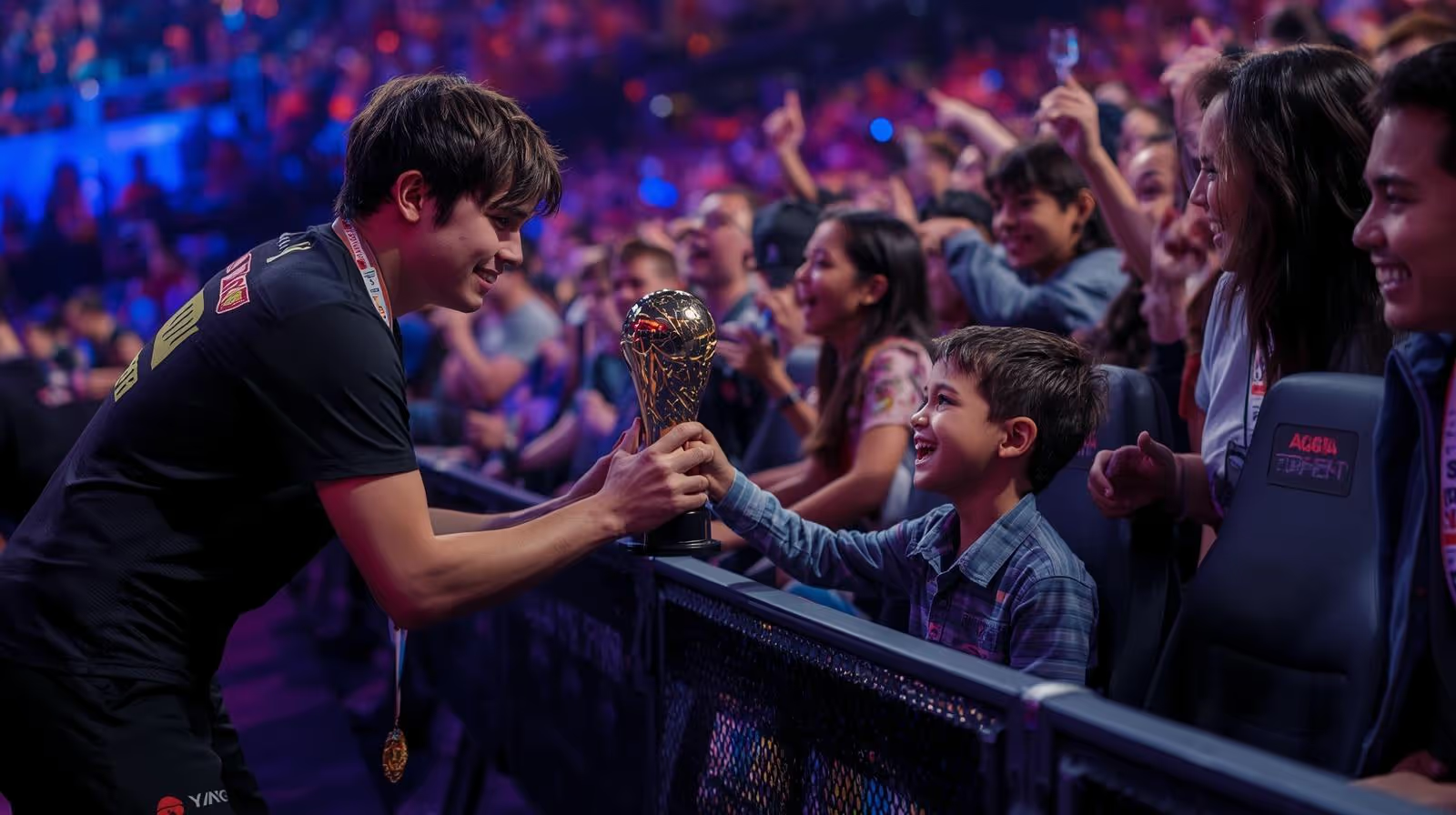
Instead of popping off, instead of standing on the chair and screaming, the underdog takes a breath, unplugs his controller, and places it gently in the hands of the world number one. A nod. A quiet word. A small moment that says more than any tweet.
This is not a recap of one official match. It is a composite story, built from years of Smash and esports upsets, from clips that went viral, and moments that stuck in players’ heads. It blends patterns that fans know well into one clear scene.
This post looks at what a moment like this means for competitive gaming. It digs into underdog stories, pressure, respect, and why that simple controller hand-off matters for the future of esports. If you love watching brackets explode, this is your kind of story.
Setting the Stage: How an Underdog Ends Up Facing the World #1
Before that last-hit scramble, before the handshake, there is the bracket. To understand how wild this story is, you have to know how rare it is for a low seed to even sit next to the world number one on the main stage.
What “World #1” Really Means in Esports Rankings
In games like Smash, “world number one” is not just a cool tag. It is a title earned across months of majors, supermajors, and stacked invitationals.
Ranking teams and players usually look at things like:
- How often you place in the top spots
- How many strong players you beat
- How you perform at big, high-stakes events
The world number one is the person who does all that, all the time. They travel to different regions, outperform local heroes, and still hold their nerve on stream. They carry heavy pressure, because every match can change how people see them.
Fans expect them to win. Sponsors expect them to win. Other pros plan around them. When you sit across from the world number one, you are not just fighting a player. You are fighting a whole story.
Life as a Low Seed: The Reality of Being the Underdog
Low seeds live a very different life. Many of them play for small orgs, or for no org at all. They split hotel rooms with friends, pack snacks from home, and grind friendlies in the venue until security sweeps them out.
They usually do not have a full-time coach. Their “staff” is Discord friends and training partners. They warm up in locals, online ladders, and late-night sessions where they watch top player VODs on repeat.
On paper, the bracket expects them to lose early. The seeding says they should fall in pools or in the first wave of bracket. When you are seeded in the triple digits, you are not supposed to make it to the main stream, much less beat the best player alive.
That knowledge creates pressure of its own. You play with nerves, because every win feels like a gift and every loss feels “normal.” The underdog in our story has felt that for years.
From Local Hero to Main Stage: The Road to the Big Match
The journey usually starts at a weekly. A small shop, neon lights, folding chairs, and friends yelling over each other. Our underdog starts as a mid-level player, losing to the same local bosses every week, slowly closing the gap.
Then comes a regional. Bigger stage, more setups, names they have only seen in thumbnails. They go 2-2, then 3-2, then finally land a top-eight run. People start to ask, “Who is this player?”
Next is a major. Hundreds of entrants, pools that feel endless, rows of CRTs or monitors. Open brackets mean anyone can sign up. So the underdog does. They fight through pools, upset a mid-seed, and suddenly they are in top 64 on the winner’s side.
One more upset, then another. The bracket collapses in weird ways. A favorite gets knocked out early. A matchup lines up just right. Now there is a line of cameras, a stage call, and the words every grinder dreams of hearing: “You are up on main stream, facing the world number one.”
Inside the Match: How the Underdog Beat the Best Player on the Planet
Big upsets rarely feel like random flukes to the players involved. There is planning, instinct, and a little chaos all mixed together. Our underdog steps onto the stage with a plan that has lived in their notes app and in their head for months.
Game Plan vs. Godlike Skill: The Underdog’s Strategy
Beating the world number one usually starts in training mode. The underdog has watched hours of this player’s stream, clipped their habits, and written down patterns. Do they jump from ledge often? Do they roll under pressure? When do they like to swing?
They lab punishes for those habits and save fresh setups for this exact moment. They choose counterpick stages that fit their style, not what the crowd expects. Maybe they pull out a secondary that gives the matchup a strange twist.
Their goal is simple: make the set feel weird for the favorite. Do not play like every other mid-level player the world number one has farmed in bracket. Force new spots, new timings, and angles that are hard to autopilot.
Planning is only half of it, though. At some point you have to trust your reads and swing.
Key Moments That Turned the Set Around
In our story, the first game looks rough. The world number one moves cleaner, punishes harder, and closes stocks early. The underdog loses but learns. They notice how the top player pressures shield, how they chase jumps, how they retreat when scared.
Game two tells a different story. Early in the match, the underdog goes for a deep edgeguard. It looks greedy. The crowd holds its breath. Then the hit connects, and the top player explodes off the blast zone. Everyone realizes this is not a free set.
Later, on last stock, the underdog is down by a full stock and at high percent. Instead of folding, they slow down. They pick safe hits, call out a roll, and finish a clean combo off the top. That comeback shakes the stage. You can feel the crowd flip from “poor kid” to “this might happen.”
The set reaches game five. Last stock, last hit. The world number one tries a defensive option that has worked all weekend. This time the underdog is ready. Perfect read, perfect punish, victory screen.
If you have ever clutched a ranked game with your heart in your throat, you know a tiny piece of this feeling.
Crowd Noise, Stage Lights, and Nerves: Playing Under Esports Pressure
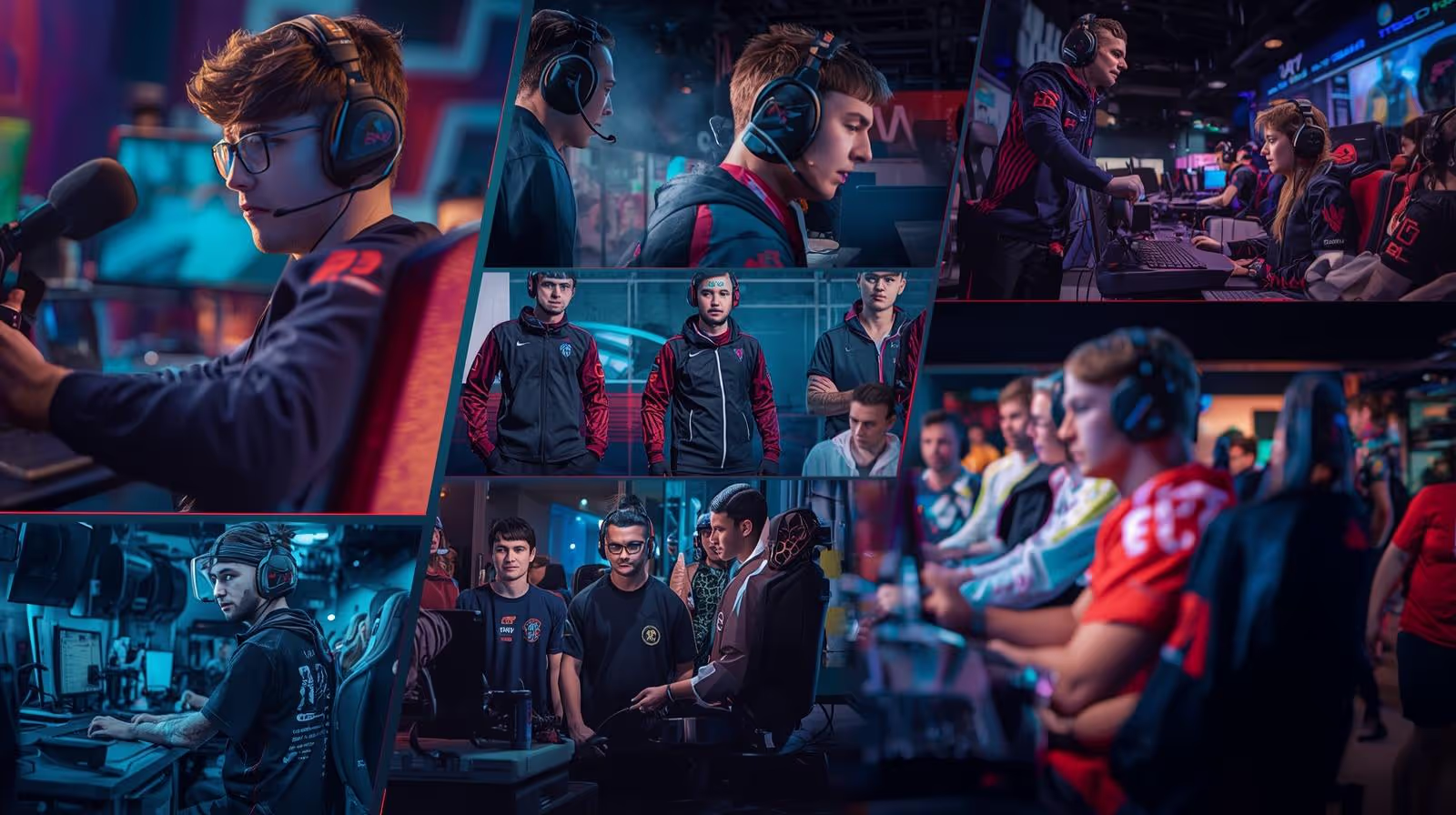
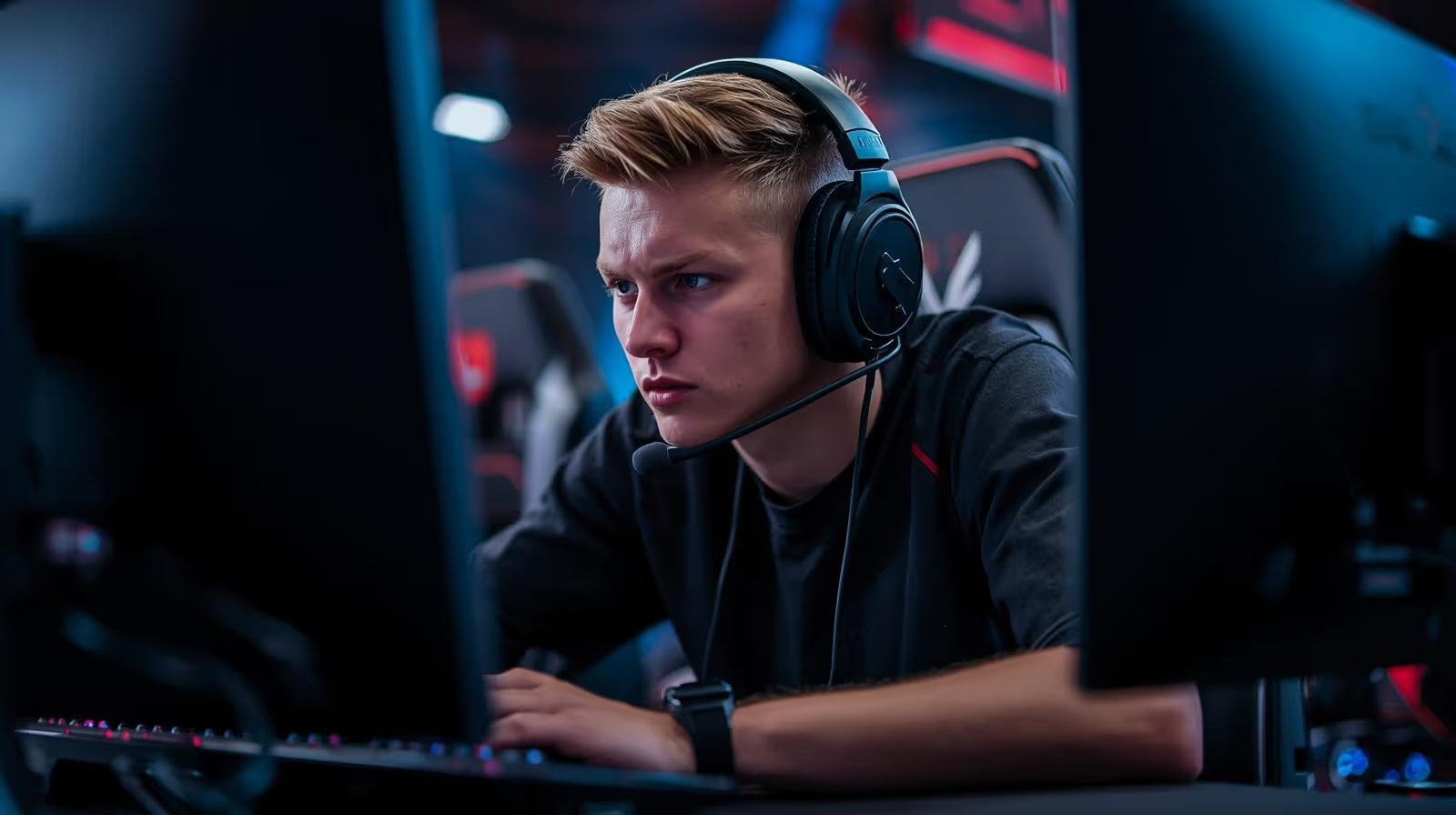
Big stages change everything. The lights feel too bright, the chair feels too small, and you can hear the crowd even with headphones on. There are cameras in your face, a stream chat racing by, and thousands of eyes judging every missed tech.
Top players learn to live in this space. They have routines. Deep breaths, stretching, warm-up games on side setups. They know how to lock in and play their game while people chant their tag.
For the underdog, this might be their first time up here. Their hands shake. Their mouth goes dry. They sit a little too far from the monitor, then scoot up. To survive, they have to shrink their world to the screen in front of them.
So they focus on simple things. Watch the character, not the crowd. Trust the hours of muscle memory. Remember that, at the core, this is the same game they played in their bedroom. The more they win small interactions, the more the stage starts to feel like home.
The Controller Hand-Off: Why This Simple Act Shocked the Esports World
The pop-off is almost expected in moments like this. The upset, the yell, the jump from the chair. Instead, we get something quieter, and it hits harder.
A Quiet Gesture After a Loud Match
The final hit lands, and the arena explodes. The underdog flinches at the noise, then sits still. No screaming. No taunting. They exhale, set the controller in their lap, and look to the side.
The world number one pulls off the headset, forces a small smile, and reaches for their own bag. That is when it happens. The underdog unplugs their controller and hands it to the top player, both hands, almost like a small trophy.
There is a handshake, maybe a quick hug. You can see respect in their eyes. The body language says, “I grew up watching you. Your play shaped mine. This win is part of your work too.”
The crowd, which was ready for a classic victory roar, goes a little quiet. A few people clap in a different way. The clip timestamps itself in everyone’s mind.
Respect, Humility, and Unspoken Rules in Fighting Game Culture
Fighting game and Smash culture has a strange blend of trash talk and deep respect. People yell “hold that L,” they cheer for upsets, they laugh at pop-offs, but they also admire raw skill and long-term grind.
Some customs are simple. You fist-bump or shake hands before and after the set. You keep your salt to yourself. You talk about the match later, not in public rage.
The controller hand-off fits into that culture but also flips it a bit. Usually the loser gets comfort or space. Here, the winner offers something like a thank you. It shows humility. It says, “I am not bigger than you because I won today.”
Fans love seeing rivals still treat each other as peers. It reminds everyone that under the tags and sponsor logos, these are players who respect how hard this game really is.
From Clip to Legend: How Moments Like This Travel Across Esports
A short clip like this explodes online. Someone grabs the VOD, cuts the last stock, and posts a 30-second highlight. The kill, the pop-off that never comes, and the controller hand-off. People spam it across social feeds.
Comments flood in. Some talk about the upset. Others focus on the sportsmanship. Pros quote-tweet it and say things like, “This is what competition should be,” or “This kid is going far.”
Soon the story grows beyond just Smash or one game. Other esports fans share it as proof that their scene has heart, not just salt and drama. Casual viewers who have never entered a local see a reason to care about tournaments.
That is how one small act becomes bigger than the bracket it came from.
What This Upset Teaches About Mindset, Growth, and Esports Culture
Stories like this stick because they say something about how we play, how we treat each other, and how scenes grow. They are more than hype clips.
The Underdog Mindset: Playing to Win, Not Just to Survive
Strong underdogs do not walk onstage planning to lose “with honor.” They play to win. That does not mean disrespect. It means they refuse to give free space just because of a famous tag.
Key traits of this mindset include:
- Belief in your game plan, even when chat counts you out
- Staying calm when behind, instead of mashing panic options
- Holding center stage instead of always retreating in fear
Ask yourself: when you match into someone way higher ranked, do you play your game, or do you play scared? The answer says a lot about how you will grow, not just in games but in any hard field.
How Upsets Push the Meta and Force World #1 Players to Adapt
When a low seed beats the world number one, it often means they did something new. Maybe they found a fresh combo route, used a rare character, or pushed a matchup people thought was losing.
Other players watch and take notes. They test the same setups, try the same counterpicks, and ask, “Can I add this to my play?” Over time, these ideas spread and become normal parts of the meta.
The world number one also has to respond. They go back to the lab, review the VOD, and fix the habits the underdog punished. In a strange way, every big upset helps the top player get even stronger.
The meta grows because someone refused to accept the “correct” answer that everyone else believed.
Why Sportsmanship Moments Matter for the Future of Esports
Esports still fights for respect from parents, schools, sponsors, and venue owners. People outside the scene often see only rage clips, broken controllers, and headset slams.
Moments like the controller hand-off show another side. They tell a clear story: this is a space where people can compete hard, win big, and still treat each other with respect.
That matters when organizers pitch events, when brands sign players, and when new fans decide if this is a hobby they want to support. The more sportsmanship people see at the highest level, the easier it is for the scene to grow.
If you care about bigger events, better production, and more support for players, then you should care about these small, human moments too.
Conclusion
Picture that stage one more time: the underdog who beat the world number one, the crowd roaring, then quieting as a simple controller changes hands. No taunt, no drama, just respect.
This kind of story says something clear to every player in every bracket. You can grind from locals to majors. You can upset giants. You can keep your head, stay kind, and still play to win.
Think about your own favorite upset. Was it a local runback, a ranked promotion match, or a grand final on a big stream? How did you act after the win, or how did you respond after the loss?
Esports will keep growing, new games will rise, and new world number ones will take the stage. Somewhere in the pools, a low seed is warming up with a plan, a notebook, and a beat-up controller. One day they will sit next to a giant, the cameras will turn, and another story like this will be written in real time.