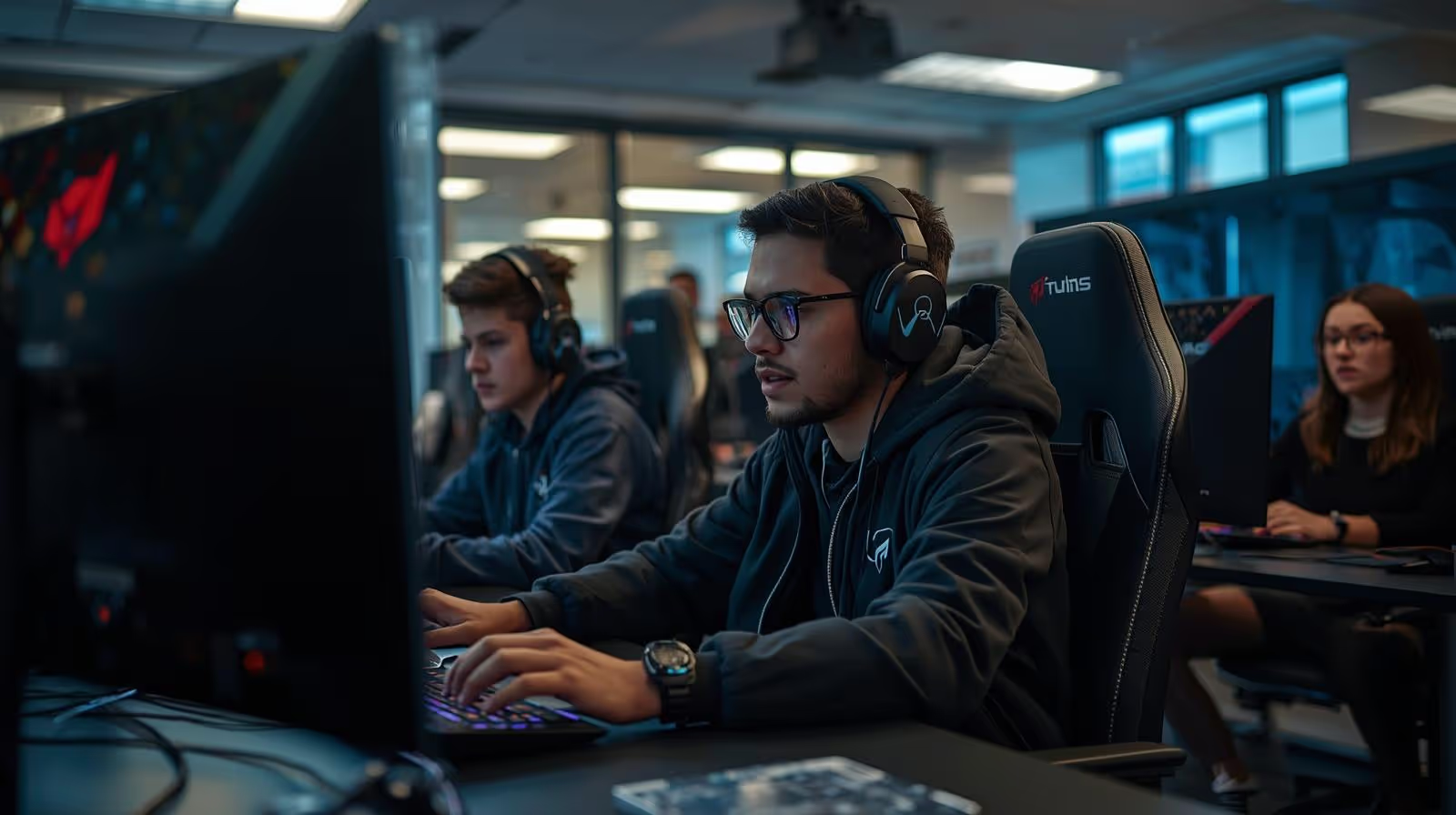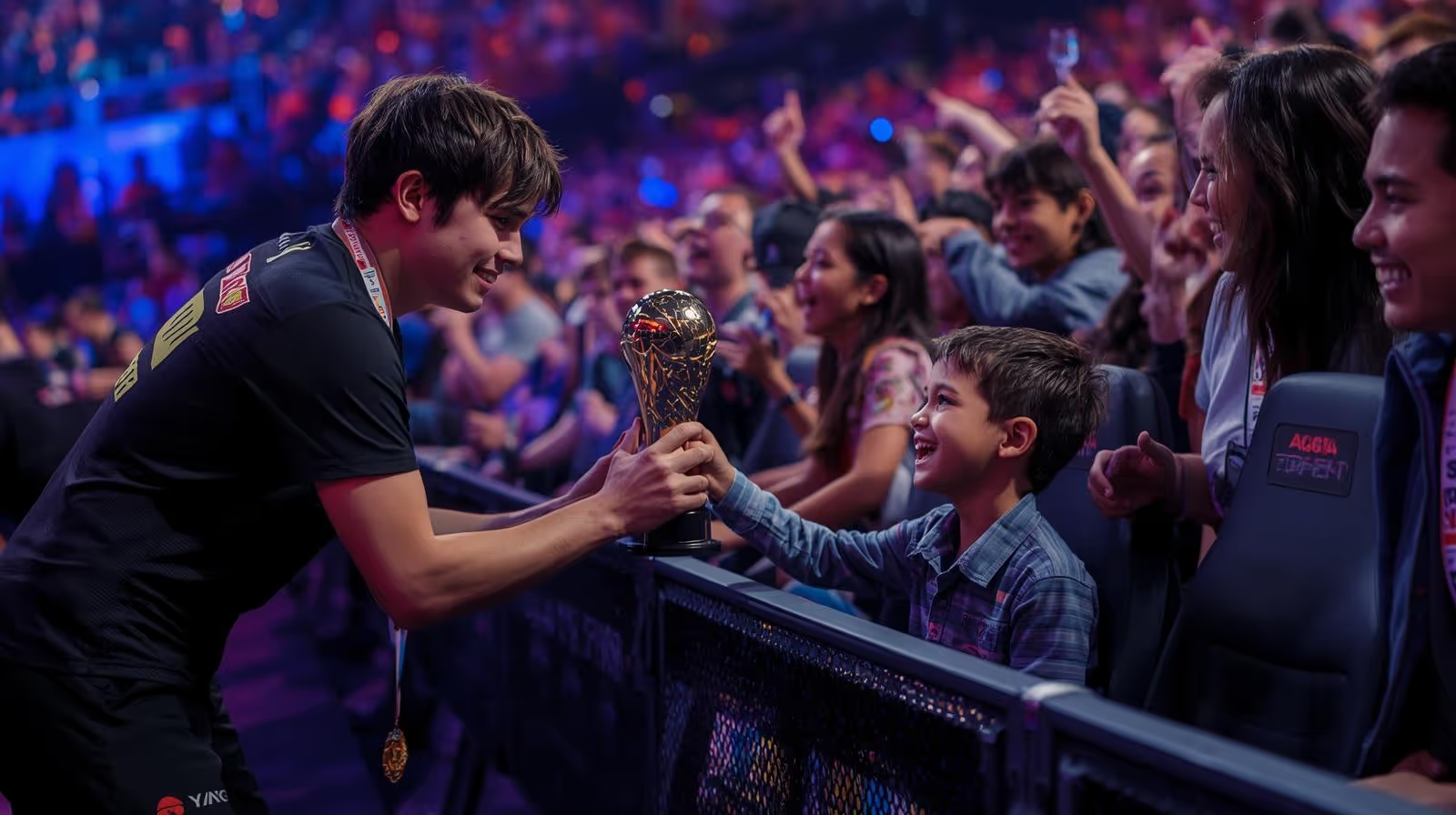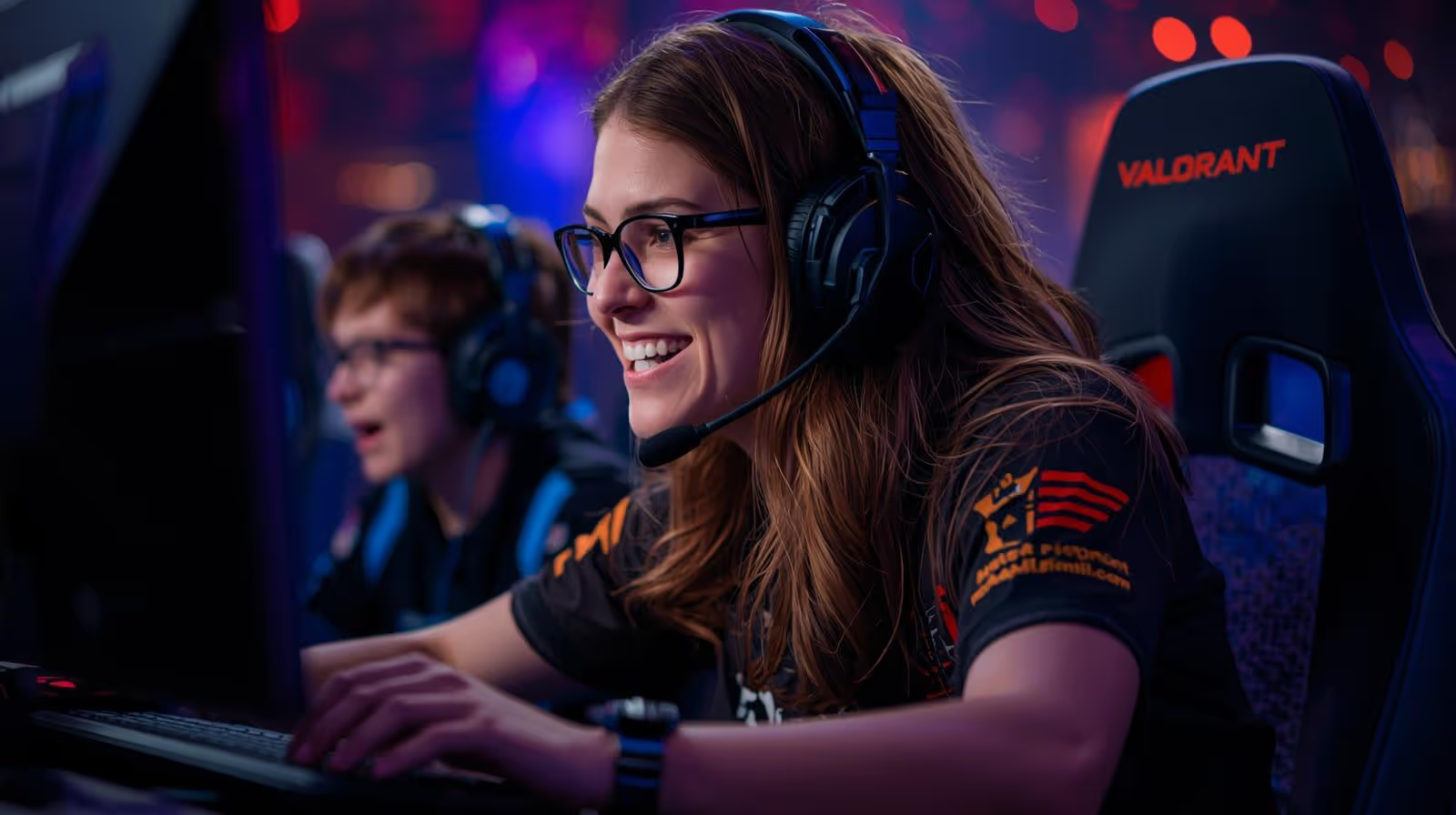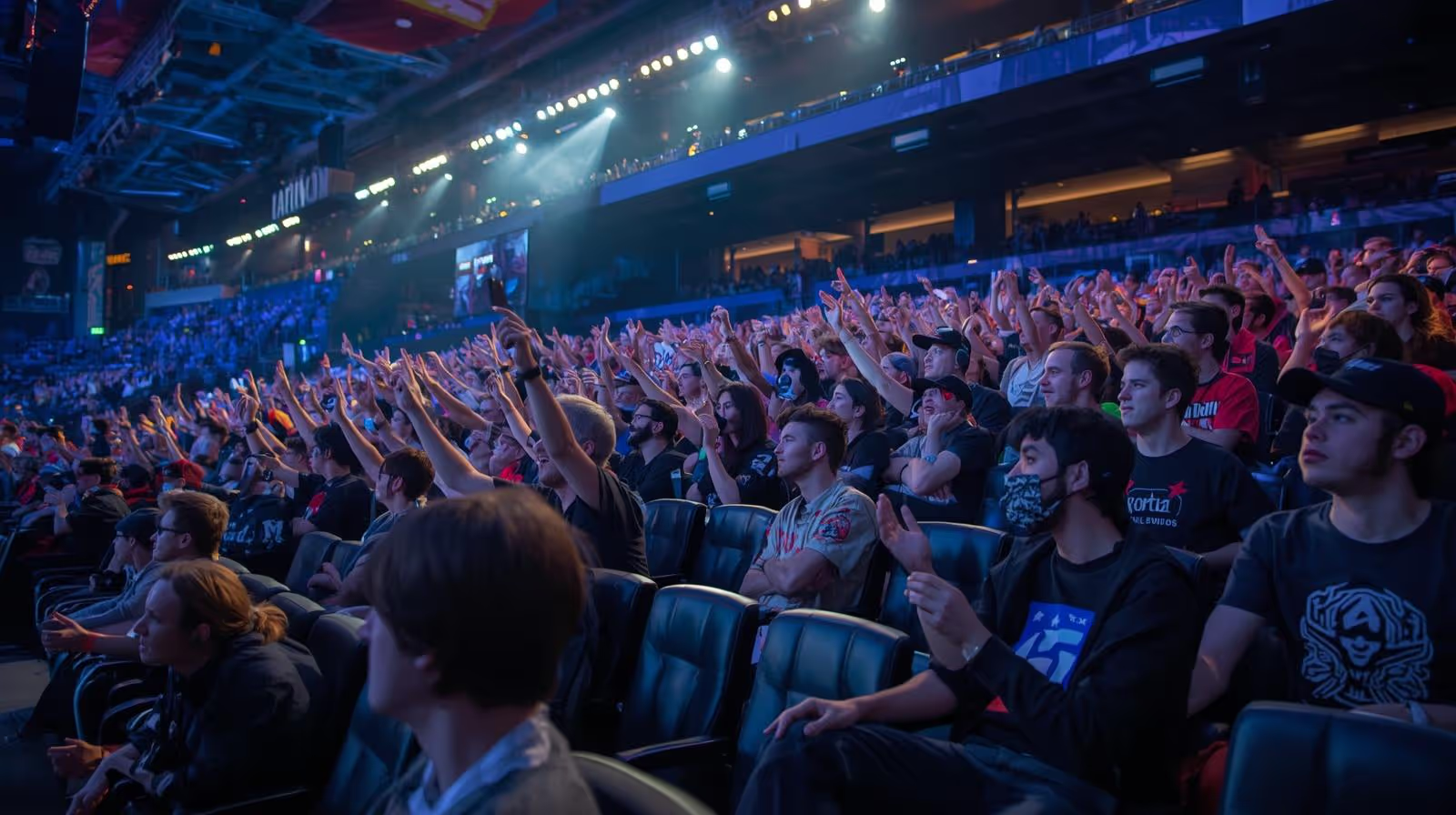


The arena lights hit like a wall. The stage glows blue and red, LED screens wrap around the crowd, and thousands of phones float in the dark like stars. On stage, one player lifts his headset with shaking hands. He has just won his first real esports title after seven long years.
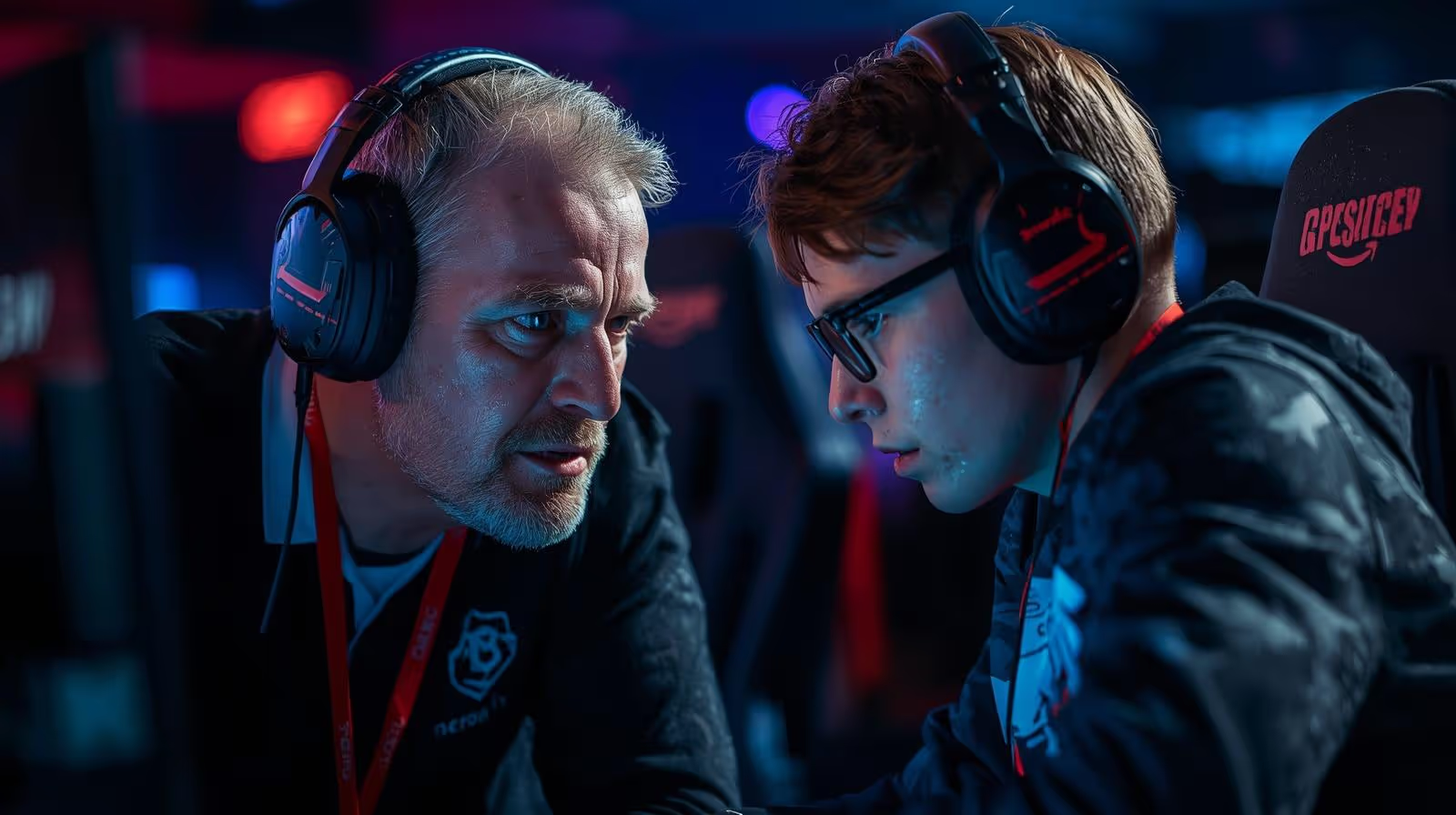
The camera cuts to the coach on the back line. He tries to clap, tries to stay sharp for the handshake, but his face crumples. His eyes fill. He turns away, then fails to hide it. He starts to cry as the crowd roars for his player.
Moments like this look like movie scenes, but in modern esports they feel very real. From Valorant to League of Legends to Counter-Strike, coaches and players grind for years just to see a scoreboard tilt in their favor once when it matters. What does it really cost to chase a win for seven years? And why does a single victory break a grown coach into tears?
This is a true-to-life style story, drawn from patterns everyone in esports knows: endless scrims, failed qualifiers, roster drama, and the rare night where all of it finally pays off. It shows what that win means, what it says about esports culture, and what players, coaches, and fans can learn from staying in the fight for so long.
The Long Road: Seven Years Of Trying To Win In Esports
Seven years in esports feels like a lifetime. Metas shift, patches reset the game, org logos change, and whole titles rise and fall. For one coach and one player, those years are a blur of small hotels, late scrims, and “almost” runs.
From the outside, people only see the stage days. Inside the team, the story is different. There are scrim blocks that stretch past midnight, ranked queues to warm up and cool down, VOD reviews that pick apart every mistake. The player thinks about quitting after failed promotion matches. The coach lies awake at night and replays lost rounds in his head.
Both of them live through constant change. A new patch kills their favorite comp. A star teammate leaves for a richer contract. A trial player joins, then crashes under pressure. The grind is not just playing more; it is surviving when every season feels like a reset button.
From Ladder Grind To Pro Stage: How Their Journey Started
Before arenas and cameras, there was a bedroom, a cheap headset, and ranked queue. The player started like most people do. He climbed the ladder in his favorite game, hit top ranks, and built a small name as a grinder who never dodged and never stopped talking in voice.
He bounced through mix teams and small orgs. Local online cups, open qualifiers, tier-two leagues that rarely hit the front page. In scrims, he was the one who stayed after to run extra setups or ask for one more replay review.
The coach first noticed him in an open qualifier. The player lost, but his aim held up against better known names. What stood out more was his attitude. No rage tweets, no flame in all chat, just a simple “gg, back tomorrow” in the team group chat. The coach watched his POV VODs and saw the same pattern: good mechanics, clear comms, and a quiet hunger.
So he called. The coach offered him a trial on a more serious roster. No promises, no big salary, but a real shot. From that day, their bond started as more than a contract. The coach did not see a nickname; he saw a person worth investing years into.
Years Of Losing: Missed Qualifiers, Roster Chaos, And Doubt
The story of the next seven years is not a straight climb. It is a messy line of steps forward and hard crashes back.
They lost promotion matches where one round decided their whole season. They dropped reverse sweeps after being up two maps. They fell in last-chance qualifiers on the final map, sometimes by a single clutch they should have closed.
With every loss came changes. Orgs swapped players to chase “fresh energy”. Their star rifler left for a bigger brand. A promising rookie burned out after his first split. Some seasons the player switched roles to fill gaps, trading comfort for team needs.
The coach stayed. He watched his player get benched during a slump and then fight his way back. He stood behind him when social media called him washed. He sat in team rooms after brutal defeats, listening as the player questioned if he should go back to school or take a safer job.
Family and friends did not always get it. They asked why he kept playing “video games” when the money was not great and the wins never came. The player felt the weight of those questions. The coach felt a different pressure: “Am I wasting his best years?”
Why The Coach Refused To Give Up On One Player
On paper, the player’s stats were fine, not legendary. Others had flashier highlight reels. But the coach saw what the numbers missed.
He saw grit. The player kept his crosshair steady in clutch rounds, even after horrible halves. He showed up early to review his own mistakes before anyone asked. He never blamed support players or IGLs when the team collapsed. In tight matches, he stayed calm and called for simple, clean plays instead of hero rushes.
Inside roster talks, this mattered. When managers pushed for quick changes, the coach pushed back. He argued that this player held the team’s culture together. He shared clips where the player made a smart trade or a selfless rotate that did not show on the scoreboard.
He staked his own job on that belief. Each time the org looked at options, the coach said, “We rebuild around him.” Trust and loyalty turned into their core. The coach knew that if they ever did win big, it had to be with this player on stage.
The Match That Changed Everything: When The Player Finally Won
The big match did not carry a world title, but for them it felt close. It was a key playoff in a stacked regional league. The winner earned a spot at an international event and long-term security with the org. The loser faced cuts.
The team walked on stage with a history of choking in this exact spot. Fans on social media joked about “another 2-1 collapse coming.” The player read those posts, then muted his apps. The coach reminded him of something simple in the tunnel: “We are not that team anymore.”
High Stakes On Stage: What Was On The Line For Player And Coach
For the player, this match meant proof that he belonged with the best. A win would lock a better contract, new sponsors, and a chance to finally face the teams he watched in highlight reels. A loss could push him back into the bubble tier forever.
For the coach, the stakes felt heavier. Another failed season could mean the org replaced him and the staff. Years spent defending this roster, this player, might look like a mistake. He knew the whispers: “Old style”, “out of touch”, “can’t win when it matters.”
Both of them felt the pressure from fans and executives. People on the outside threw around words like “washed” and “overhyped” without seeing the work behind the scenes. On stage, they tried to shut that noise out and focus on one round at a time.
Key Rounds And Big Plays: How The Seven Years Of Work Showed Up
Map one started rough. They went down early, missing simple retakes they had practiced a hundred times. Old versions of this team would have tilted and started taking wild peeks. This time, the player called for a pause.
In the timeout, the coach’s voice stayed slow. He reminded them of basic rules they had drilled for years: trade together, clear corners, trust the call. The player echoed him, backing the plan instead of asking for miracles.
Later, a late retake showed how far they had come. The player held his nerve in a 1v2, using utility and sound instead of swinging blindly. He took the first duel on his terms, then played the clock on the second. It was not a crazy flick. It was calm, practiced, and smart.
In another round, the coach made a risky mid-round call to switch sites based on a tiny piece of info. Five years earlier, the team might have hesitated. Now, they moved as one. They trusted his read because he had earned that trust in thousands of past scrims and replays.
Every small habit from seven years seeped into those plays: better comms, instant trades, fast mental resets after bad rounds. The fans saw big clutches on screen. The coach and player saw lessons they had repeated through countless late nights.
The Final Round And The Camera Shot That Broke Everyone
The final map reached match point. One more round, and they would lock the series, the event slot, and their future. Lose, and the other team could force overtime and flip the script again.
On the last defense, the player anchored the weaker site. The enemy team rushed in with full utility. His first teammate fell. Smoke filled the choke. The player could have run. Instead, he held the off angle they had planned in practice.
He got one clean headshot, then another. He fell on the trade, but he had already bought enough time. His teammates rotated, cleaned up the last players, and the scoreboard froze on victory.
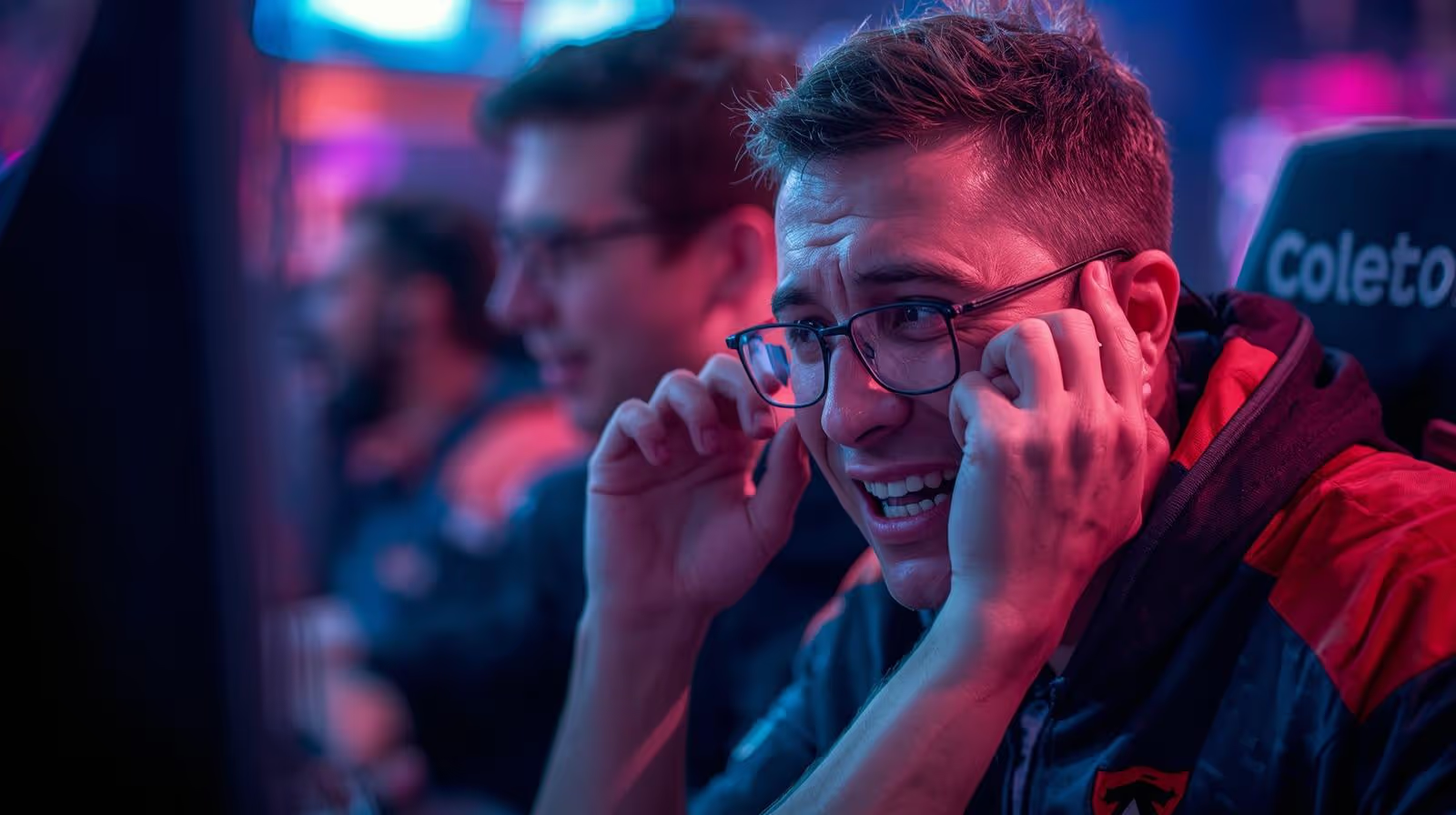
Headsets flew off. The team jumped, shouted, and hugged in a pile of jerseys. The player stepped back from the desk with his hands on his head, half laughing, half shaking. He had waited seven years to feel this exact moment.
Then the broadcast cut to the coach. At first he tried to stay composed, clapping and reaching for handshakes. You could see his jaw tighten. His eyes glassed over. He looked at his player, now smiling under the lights, and the mask broke.
Tears ran down his face. He covered his mouth, then dropped his hand and let it happen. In that shot, fans saw more than a coach. They saw seven years of pressure, doubt, and belief collapse into one raw expression.
People watching at home felt it. Many had their own long fights: ranked climbs, fragile jobs, family pressure. For a few seconds, all that weight lived on one coach’s face.
Why The Coach Cried: What People Miss About Esports Coaches
Players get most of the spotlight, and that makes sense. They hit the shots and hold the trophy. But behind almost every top roster stands a coach who shares the grind without sharing the fame.
Coaches fill the gaps between games. They hold the structure when players tilt, argue, or burn out. When that structure finally holds long enough to win, the emotion can hit harder than any player interview can show.
The Hidden Work Of Esports Coaches That Never Shows On Stream
Fans see the coach in a headset during timeouts. They rarely see what happens before and after.
A coach spends long hours on VOD review, watching the same round from three angles to find one missed timing. They prepare scouting reports on opponents, track patterns, and build game plans from small habits. They manage scrim schedules, talk to other staff, and balance practice with rest.
They also handle team issues that never reach Twitter. They talk through role swaps so no one feels thrown aside. They calm players who freeze before a stage match. They sit in rooms where managers push for changes and try to keep the group stable.
When a player has a bad week at home, the coach often hears about it first. He carries those stories into every map pick and every timeout. He cannot tilt like a player, because his job is to be the steady voice.
Emotional Weight: Seven Years Of Pressure, Burnout, And Self Doubt
Over seven years, that weight adds up. The coach knows he can be fired after one bad split, even if he did his best. He reads hate posts that call him clueless or washed. Some nights, he wonders if his style still works in a scene that moves so fast.
During losing streaks, his own confidence breaks. He questions every call he made, every roster he backed. Did he hold onto this player too long? Did he push too hard, or not hard enough?
So when the team finally wins, the wall falls. The tears are not just for the trophy. They are for every sleepless night, every roster talk, every time he comforted his player while fighting his own doubts.
Why Seeing A Coach Cry Matters For Esports Culture
A coach crying on stage does something simple but powerful for esports. It shows that this is not just a job or a stream; it is human work with real emotion.
Clips of that moment spread fast. Players quote it, other coaches quietly share it in staff chats, and young fans replay it on their phones. For staff who usually stand in the background, seeing a coach’s feelings respected in public can feel like a small form of justice.
It also opens space for better talks about stress and burnout inside teams. If a coach is allowed to cry on stage, maybe a player can admit when scrims are draining him. Maybe a manager thinks twice before treating staff as replaceable.
Lessons For Players, Coaches, And Fans From A Seven-Year Wait
This story is not just a feel-good highlight. It carries lessons for anyone tied to esports, whether you grind ladder at night, coach a local team, or spam chat during majors.
The path they walked shows that progress is slow, results lag behind work, and loyalty still matters in a scene that moves fast.
For Players: How To Keep Going When You Still Have Not Won Big
If you are a player chasing your own first big win, their seven-year wait holds a few clear points.
Set small, clear goals that you control. Rank and trophies depend on others. Your crosshair placement, comms quality, and review habits are yours alone. Track those, not just your latest tournament finish.
Accept that your role may shift. Sometimes you need to move from star duelist to supportive flex so the team works. That change does not erase your talent. It can extend your career.
Keep balance where you can. School, part-time work, or hobbies do not kill your dream. They can protect your mental health when seasons go badly.
Most of all, ask yourself hard questions from time to time. Why do you play? What are you willing to grind for when results stall? Honest answers make it easier to survive long dry spells.
For Coaches: Building Trust So A Player Stays For The Long Haul
If you coach, this story highlights how trust turns into long-term success.
Communicate with your players like adults. Give direct feedback without flaming. Tell them when they mess up, but also show them clear ways to fix it. Empty praise helps no one.
Defend your players in the right rooms. In public, take heat when you can. In private, push them to grow. When you fight for them in roster talks, they feel that loyalty.
Admit your own mistakes. A timeout call that failed, a prep angle you misread, a poor scrim schedule, these are on you. Owning them openly builds respect.
The coach in this story earned the right to cry on stage because he was present for every ugly part of the journey. That presence, day after day in scrims, reviews, and backstage talks, is where trust is built.
For Fans: Seeing The Humans Behind The Nicknames
If you are a fan in chat or in the stands, you have more power than it seems.
Remember that every nickname on screen belongs to a real person who has probably spent years trying to reach that match. Staff are not just background props. Their careers rise and fall with every result too.
You do not need to stop criticism. Honest talk keeps competition sharp. But you can drop cheap flames and personal attacks. You can back your team during slumps instead of vanishing until they win.
When you see a moment of real heart, like a coach crying while his player smiles, share it with respect. Those clips help remind the scene that behind the memes and hot takes, esports is built on people who care deeply about what they do.
Conclusion
The image stays clear long after the trophy photos fade: a coach on the back line, his player finally a champion on stage, and tears rolling down a face that has seen seven years of work and pain. That single shot holds missed qualifiers, late scrims, scary meetings, and quiet talks about quitting.
It also holds proof that long-term belief can survive in a short-attention scene. One coach chose to back one player through benchings, role swaps, and public doubt, and together they reached a win that felt bigger than the scoreboard.
Moments like this push esports closer to the heart of any other sport, where passion is not a brand word but a human fact. They show that honest emotion and stubborn patience still matter in a field that changes every patch.
As you queue your next ranked game or chase your next project, think about where you need that same kind of stubborn belief, either from someone beside you or from yourself. In the end, those silent years behind the scenes are often what make the loudest wins feel so real.