
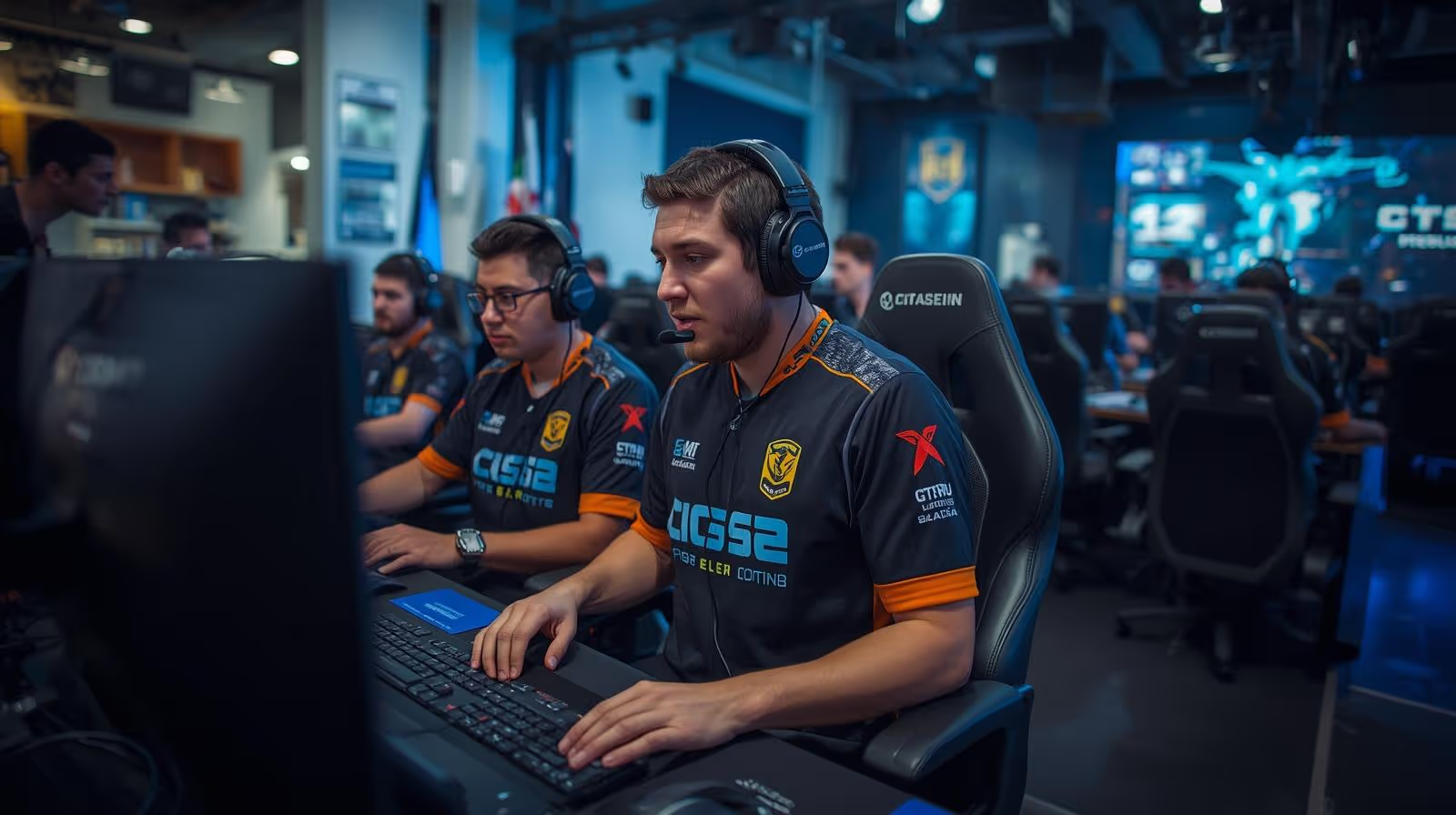

The story starts in a small Brazilian city, inside a hot, noisy gaming house above a car repair shop. Five players share a handful of mid-tier PCs, sleeping on bunk beds, eating cheap pasta, and dreaming about lifting trophies that most fans only see on streams. On paper, this Brazilian CS2 academy had nothing: no big sponsor, no star player, no famous brand.
Yet in about a year and a half, this composite academy profile forced itself into the global top-10 conversation. Not just one lucky bracket run, but real respect: consistent deep finishes, a spot in the top-10 on HLTV-style rankings, and direct invites to S-tier events with seven-figure prize pools.
How did a small academy with no history level up faster than legacy orgs that had been around for years?
What follows is a realistic zero-to-hero blueprint, stitched together from real trends in Brazilian CS2: academy structures, scouting habits, training routines, boot camps, and sponsor playbooks. If you are an esports fan, semi-pro player, coach, or org owner, this is the kind of system that can turn raw talent into a serious contender.
From Zero to Dream: How the Brazilian CS2 Academy Was Built From Scratch
The starting point was rough. The team rented a small house near a bus station because the internet line was cheap and stable. Players brought their own mice and keyboards. Two shared the same monitor for the first month, swapping between scrims and deathmatch.
The founders knew they could not outspend anyone. Their only chance was to out-structure everyone.
The Founders: Former Tier-2 Pros With a Chip on Their Shoulder
The project began with an ex-in-game leader and an analyst who had bounced around tier-2 Brazilian teams. They had played closed qualifiers, scraped into a few C-tier events, and then watched their lineups die to buyouts and drama.
They were tired of random stacks and ego wars. They believed Brazilian talent was never the problem. The problem was that structure, discipline, and long-term planning were rare.
So they wrote a simple, clear vision on a shared doc the first night in the house: build the most structured CS2 academy in Brazil, not just another pug stack. Every decision around players, staff, and practice had to fit that sentence.
Instead of searching for “the next superstar,” they wanted players who were obsessed with team play, comms, and steady growth. Fame could come later.
Setting a Bold but Clear Goal: Top-10 Global in 18 Months
The founders also refused to think small. They picked one aggressive target: reach a top-10 global ranking in around 18 months, or at least be in every serious S-tier conversation.
Top-10 global, for them, meant three things:
- Sitting inside the top-10 of a site like HLTV for more than a quick spike
- Consistent playoff runs at big international events
- Enough points and invites that top teams had to prep hard for them
To get there, they broke the journey into four phases:
- Survive and learn, stabilize the roster and build habits
- Become one of the best in Brazil and all of South America
- Break into global top-20 with strong showings at mid-tier LANs
- Push into top-10 with deep runs at S-tier events and at least one Major-level playoff
Every month, they checked where they were on this ladder. If a choice did not move them closer to that target, they cut it.
Funding a CS2 Academy on a Shoestring Budget
Money was tight. Player “salaries” looked more like living stipends. The gaming house had cheap bunk beds, second-hand desks, and old chairs. Gear came from sales and friends; only the mousepads were new.
To stay alive, they did three smart things:
- Kept staff remote when possible, so the analyst and social media manager worked from home in other cities
- Used shared analysts and coaches on a part-time basis at the start
- Picked cheap boot camp locations and traveled with the smallest group needed
They also chose to invest in only three areas:
- High-quality server time for practice and custom maps
- Travel to key offline events, even if it meant long bus rides
- Data tools for demo libraries and stat tracking
First sponsors were not big brands. A local internet provider covered part of the bill in trade for logo spots. A nearby PC shop helped with gear at cost. A small energy drink brand paid a modest monthly fee for shoutouts and jersey space.
The hook was not results at first, it was the story. On social media, the org posted daily clips from practice, behind-the-scenes photos of the cramped house, and honest diary-style captions about the grind. That human angle closed the first few deals.
Scouting Brazil’s Hidden CS2 Talent and Building the Perfect Academy Roster
Brazil has a huge pool of grinders in FACEIT hubs, ranked ladders, and open qualifiers. Big orgs cannot track all of them, which means there is always someone under the radar.
This academy turned scouting into a science project.
Data-Driven Scouting: Going Beyond FPL Clips and Highlight Reels
Instead of chasing viral clips on social media, staff built simple spreadsheets that pulled public stats from platforms and regional events. They watched:
- Entry success rate and trade percentage
- Utility damage, flashes that led to kills, and nade usage
- Clutch frequency, especially in disadvantaged situations
- Impact in closed qualifiers and small LANs, not just pugs
They tracked young Brazilian players who kept showing up at the top of open qualifier scoreboards. If someone popped off once, it went in a “check later” tab. If someone played well across many events, they got a closer look.
Analysts watched VODs to see how those players communicated, spaced around teammates, and reacted when down big. Was that 30-bomb player smart, or just swinging every angle?
This gave the academy a list of realistic targets that bigger orgs had not locked yet.
Balancing Roles and Personalities, Not Just Aim and Ratings
When it came time to build the first full roster, they started with roles on paper. They wanted:
- A calm in-game leader who could keep structure under pressure
- A high-pace entry who loved taking space
- A stable anchor who did not tilt holding hard sites
- A flexible rifler who could swap sides and spots
- An aggressive AWPer who liked finding early picks
Then they layered personality and work ethic on top. A cracked aimer who insulted teammates or refused feedback was an instant red flag.
One trial run made the lesson clear. A mechanically gifted rifler top-fragged scrims but flamed support players every time a flash was late. After a week of review sessions, they cut him and signed a slightly weaker fragger who listened, took notes, and adjusted.
That decision cost them some firepower in the short term, but it built a lineup that could last.
Trial System: One Month to Prove You Belong in the Academy
The academy turned trials into a real test, not a few random pugs.
Each player got about a month of structured work:
- Daily scrims with clear roles
- Post-scrim VOD reviews with staff
- Mental checks in high-pressure maps where they started 0-5 on purpose
Standards were clear from day one:
- Respect the practice schedule and show up on time
- Cameras on during reviews
- No ghosting or multi-queuing during official practice
- Daily personal VOD time, even on “off” days
This system filtered out ego fast. It kept the grinders who saw feedback as a gift, not an insult.
The Training System That Turned Raw Brazilian Talent Into a Global CS2 Contender
With the roster locked, the real work started. The academy treated training like a full-time job.
They mixed old-school CS habits with newer tools like round tagging, analytics dashboards, and basic AI-style pattern reading.
Daily Training Routine: From Aim Drills to Full Map Reviews
A typical training day looked something like this:
- Morning: 60 to 90 minutes of aim work on bots and DM servers, focused on crosshair placement and movement
- Late morning: utility practice on key maps, with lineups logged in a shared video library
- Afternoon: two to three scrims against stronger teams, with pre-planned goals for each match
- Evening: one or two hours of team VOD review, then short individual review sessions
There were also strict lifestyle rules. Players had sleep targets, meal plans, and short breaks away from the PC. No ranked grind until dawn. They treated sleep like part of practice, not a luxury.
The idea was simple: play enough CS2 to grow, but not so much that your brain turns to mush. Have you ever tried mid-round calling after six hours of mindless pugs? They wanted sharp decisions, not zombie aim.
Using AI and Analytics to Prepare for Opponents and Fix Weaknesses
The staff built a basic analytics flow that punched far above its cost.
They tagged rounds from officials and scrims, marking:
- Site hits and timings
- Utility patterns
- Opening duels, win or loss
- Clutch situations and outcomes
Those tags fed into simple dashboards that showed trends. Maybe the team lost most late-round retakes on one map, or the AWPer died first too often on CT side.
For opponents, they watched recent demos and looked for repeated defaults, common setups, and weak spots on bombsites. Simple pattern tools and scripts highlighted where rivals liked to re-aggress or which site they favored in pressure rounds.
The head coach used this info to design short, focused drills. Instead of random practice, one day might center on 3v3 B-site retakes, or on late-round calls in mid control. Fixing one clear weakness at a time kept the team moving forward.
Coaches, Sports Psych, and Support Staff Behind the Scenes
Even on a small budget, the academy found room for support staff.
The structure looked like this:
- Head coach, responsible for system, map pool, and macro play
- Assistant coach, focused on mechanics, communication, and micro mistakes
- Part-time analyst, building scouting reports and maintaining the data tools
- Mental coach, available a few times each week for group and one-on-one sessions
The mental coach worked on tilt control, pre-match routines, and stage nerves. They also helped with conflict inside the house, because five young players under pressure will fight at some point.
This support system became a secret weapon. Other regional teams had strong aim but weak structure. The academy had both.
Boot Camps in Europe: Facing Tier-1 Playstyles Before You Are Tier-1
Every few months, when money allowed, the academy flew to Europe for short boot camps.
The reason was simple: better practice. In Europe, they could scrim teams with higher structure, cleaner utility, and stronger defaults. The first week usually felt like a punch in the mouth. They got stomped in scrims, out-called on every map, and punished for lazy peeks.
Instead of hiding those results, they tracked them. Where did they lose map control? Which setups collapsed first? How did European teams punish their habits?
By the time they flew home, they had a notebook full of fixes. That experience accelerated their growth and made regional matches feel slower and easier to read.
From Regional Underdogs to Top-10 Global: The Tournament Path and Key Turning Points
The climb did not happen overnight. It came through dozens of smaller wins, painful losses, and smart event choices.
The academy treated the tournament path like a ladder, moving one step at a time.
Crushing Local Events and South American Qualifiers First
They started with what they could reach: online cups, local LANs in Brazilian cities, and regional qualifiers.
These events were not glamorous, but they were perfect testing grounds. The team tried new defaults, experimented with map picks, and learned how each player handled a live crowd.
One early turning point came when they upset a well-known Brazilian org in the final of a regional event. The match had a packed venue, loud chants, and constant pressure. Winning it proved they could beat names that fans respected.
Clips from that run spread online. Bigger teams noticed their executes and mid-round calls. For the academy, it was the first real jolt of external respect.
Breaking Into International Tournaments and Taking Down Favorites
With regional wins under their belt, they went hunting for international slots.
They spammed open and closed qualifiers for mid-tier LANs and play-in stages around the world. After several failed attempts, they finally made it into a Challengers-level event abroad.
Few analysts picked them to win a map. In their opening match, they faced a top-15 global team with star players and a large fanbase.
The academy staff had other plans. They had scouted this opponent for weeks, prepared off-meta utility, and drilled a few surprise setups. The IGL called fearless mid-round plays, including late B hits and fast mid splits the favorite had not seen on demo.
The upset win that followed changed everything. Overnight, they were no longer “some Brazilian academy.” They were the team that punished sloppy prep.
Invites to closed qualifiers got easier. Scrim requests from stronger teams started to show up in their inbox.
Consistent Results, Not Just One Cinderella Run
Plenty of teams spike once then vanish. The academy knew that if they wanted top-10 global respect, they had to stay in the conversation.
They kept a deep map pool and tracked game changes closely. Every patch, the coaching staff ran update meetings, tested new utility, and rotated setups. They never wanted to feel stale.
Across the next cycle of events, three key streaks defined their rise:
- A run of wins in South American qualifiers that made them the favorite, not the underdog
- Back-to-back playoff appearances at international LANs, including a tight series against a top-5 team
- A strong finish at a Major-level event, with solid records on three core maps
That consistency pushed their points high enough that ranking sites placed them around the top-10. S-tier organizers started sending direct invites. Fans worldwide knew their players by name.
The “small Brazilian academy with no budget” had become a global contender.
Conclusion: Turning a Brazilian CS2 Blueprint Into Your Own System
This story is built from many real patterns in Brazilian CS2, but the message is simple. Talent alone rarely beats a team that has clear goals, strong culture, and a system that runs every single day.
If a small Brazilian academy can jump from zero to the global top-10 in under two years, what is really stopping your team from building something similar?
You do not need the biggest budget to start. You need written goals, honest scouting, a training routine that hits both aim and brain, and the courage to face stronger regions before you feel “ready.” Even one small change, like adding a weekly team review or setting a shared vision doc, can shift how your entire roster thinks.
The next powerhouse might not be born in a giant facility with perfect chairs and brand-new PCs. It might be forming right now in a cramped gaming house, somewhere in Brazil, where five players and a couple of stubborn coaches refuse to accept being average.




%20-%20EsportsShaka.avif "The 5 Most Beautiful Fair-Play Moments In Esports (Guaranteed Smile)")