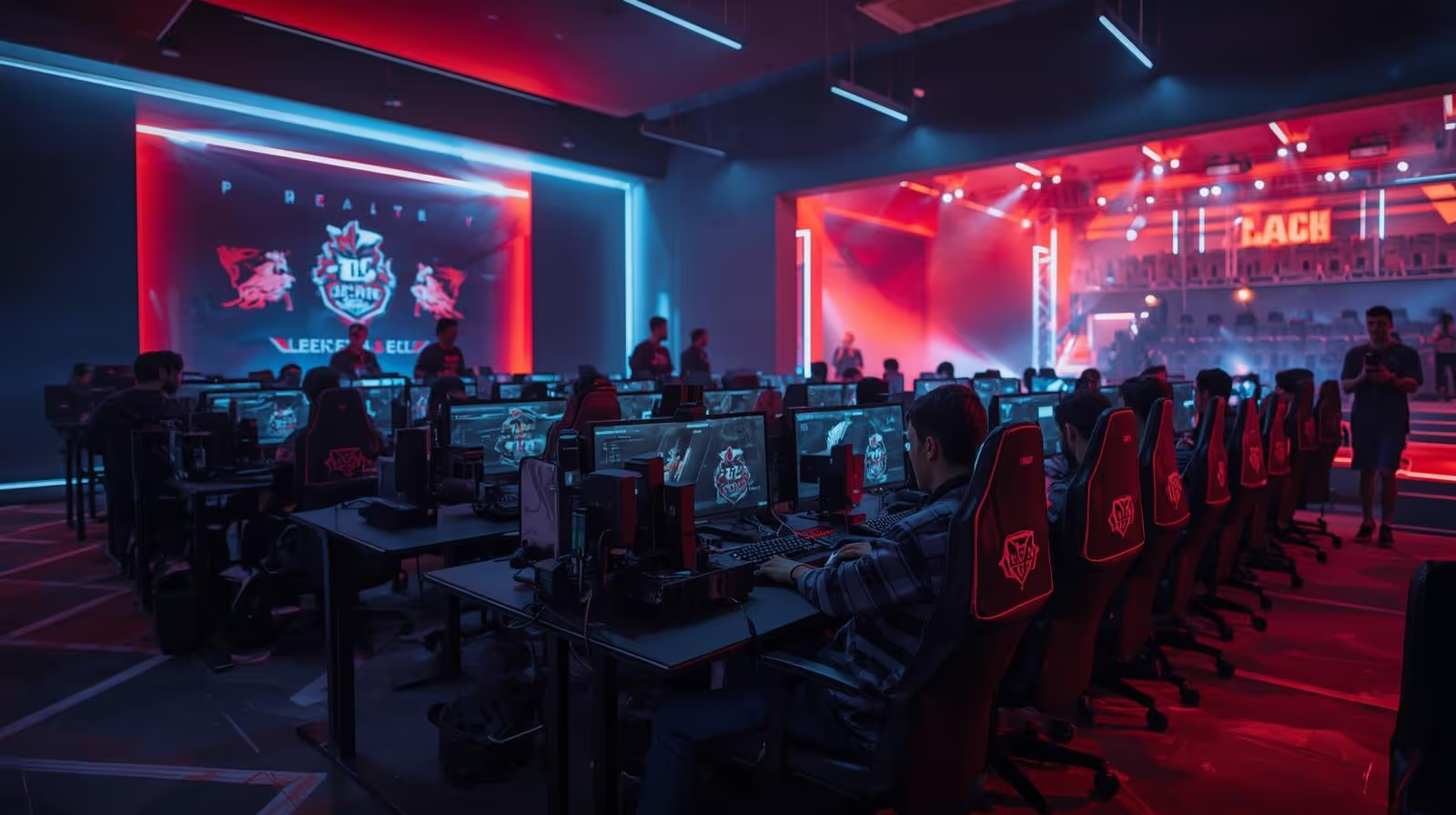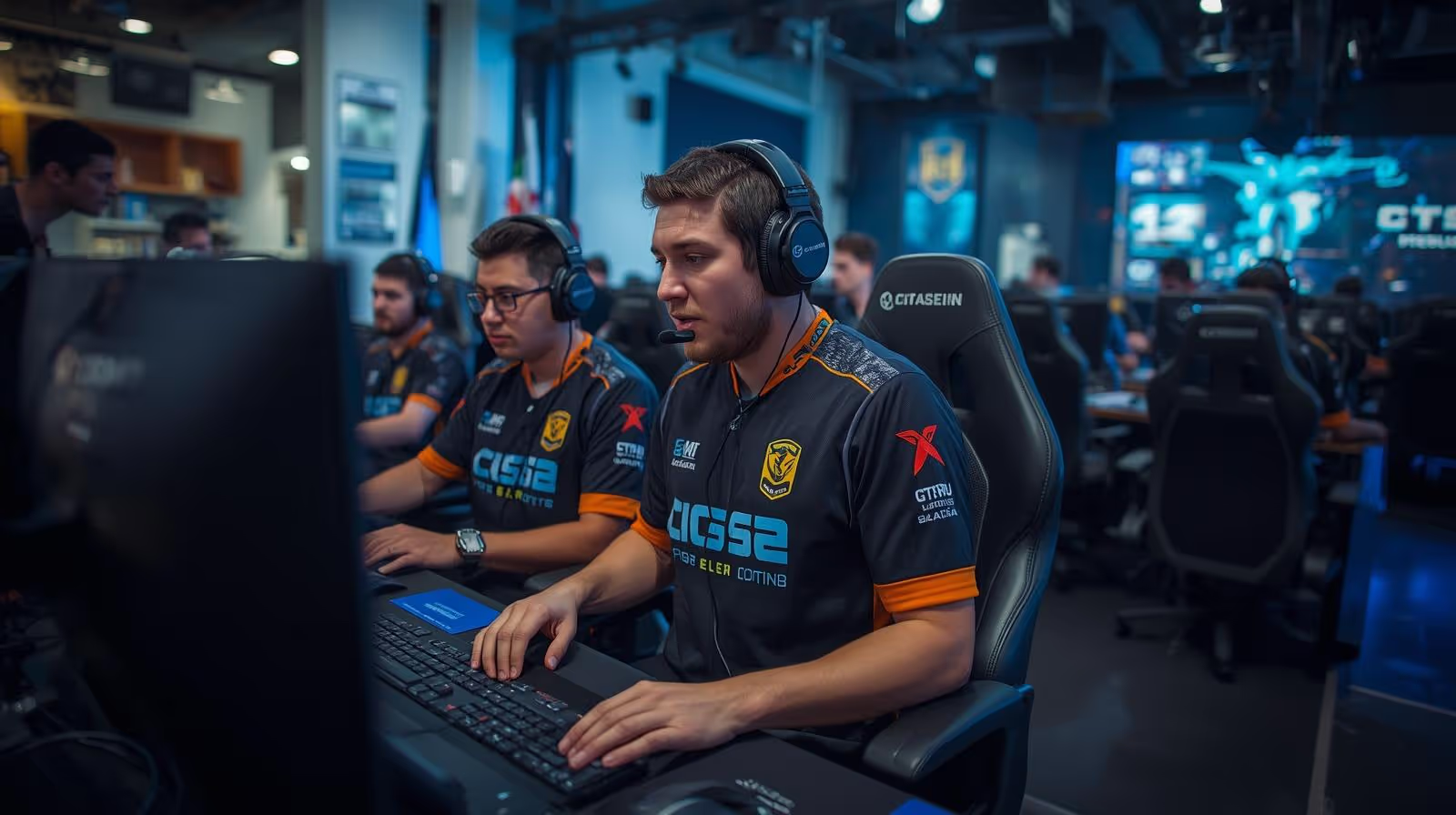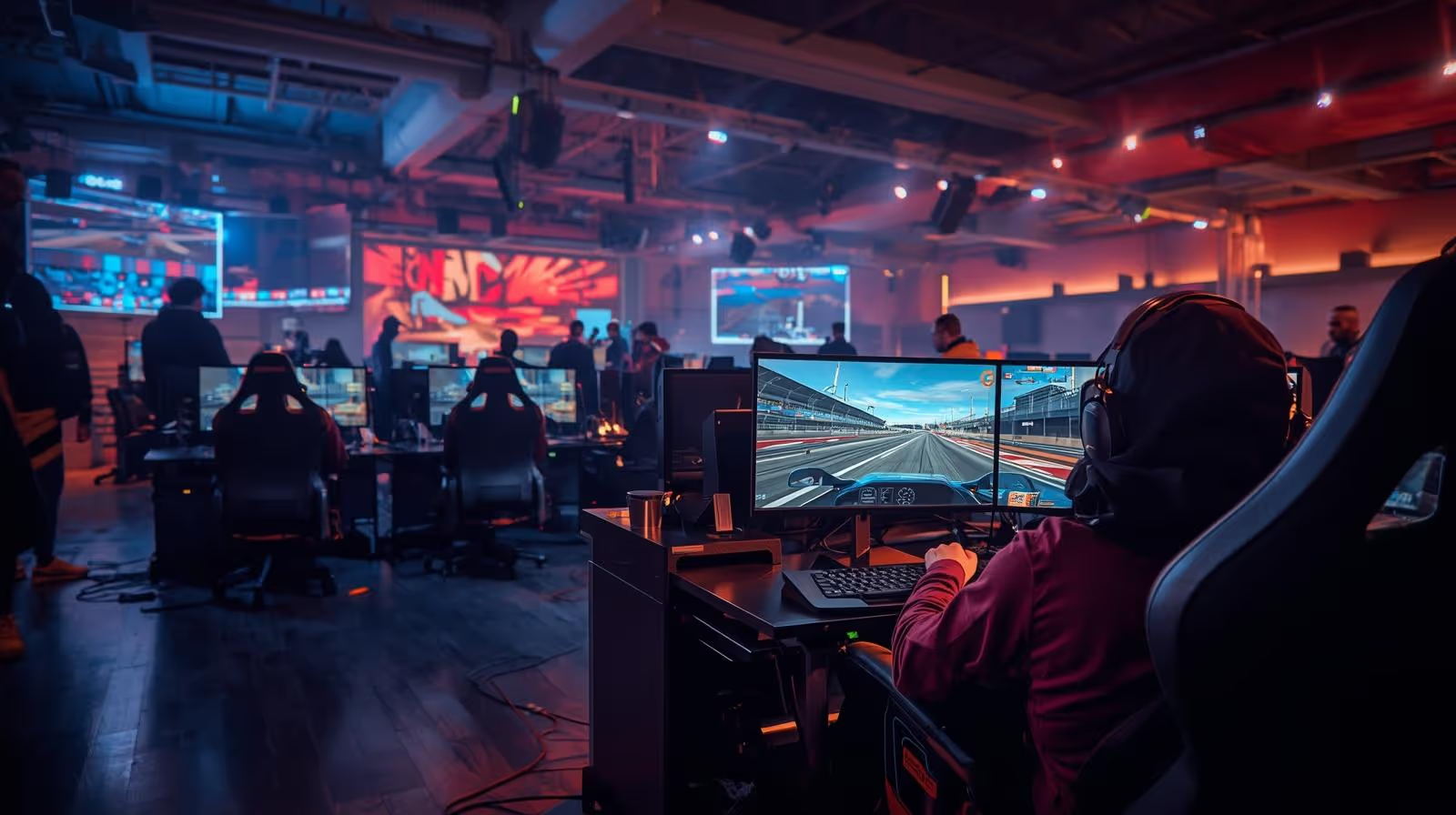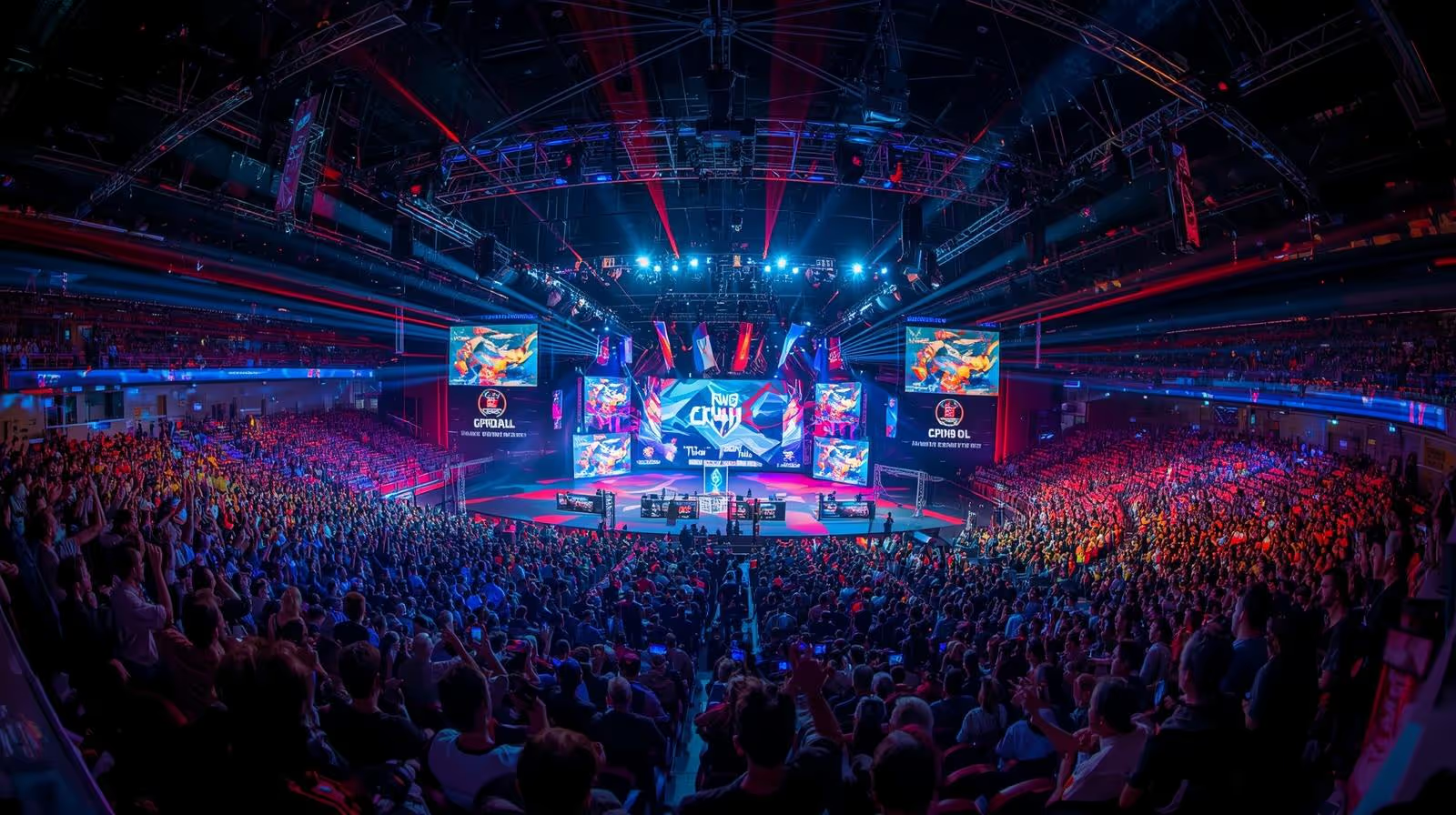

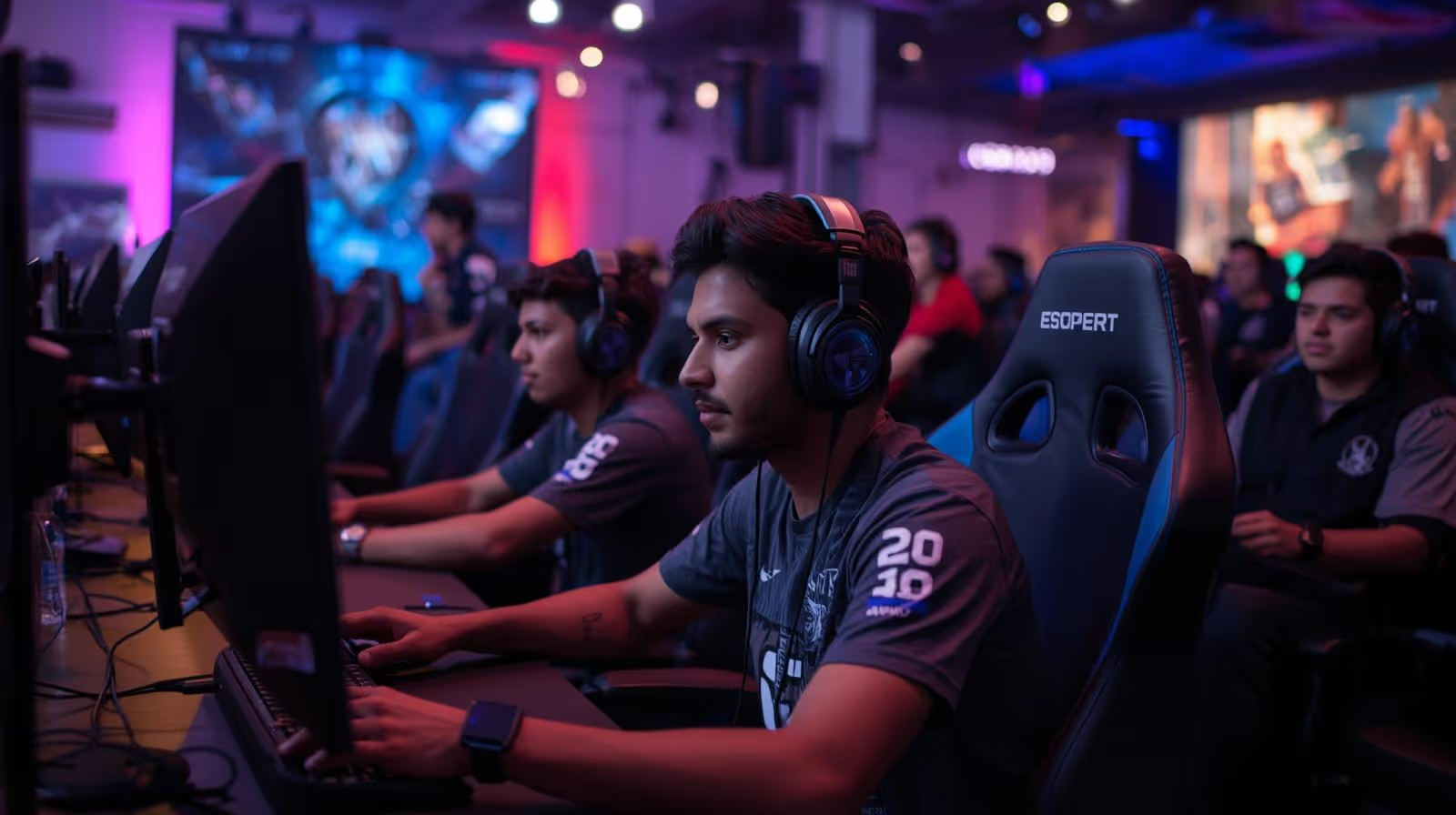

Picture this. A packed arena, phones held high, crowd chanting as an Indian squad clutches a final round against a famous foreign team. At the same time, millions watch the same match on tiny screens in small towns and big cities.
That is esports in simple words: organized, competitive video gaming, played in leagues and tournaments, with teams, coaches, prize pools, and fans just like traditional sports.
In India, this space has grown from internet café time-pass to a serious scene with huge player bases, rising prize money, and full-time streamers. The story is no longer just about fun or late-night matches with friends. It is about a new kind of skilled, global-ready talent built through games, content, and competition.
This post looks at how that boom is shaping careers, skills, and international success, and what needs to happen next if India wants to lead the esports world.
From Casual Gaming to Global Stages: How India’s Esports Scene Exploded
Esports in India did not start in big arenas. It started in bedrooms, living rooms, and small cafés where people squeezed in games after school or work.
As cheap smartphones arrived, data prices dropped, and internet speeds improved in tier-two and tier-three cities, gaming shifted from a hobby for a few to a habit for millions. The result is a huge gaming population and a fast-growing esports market powered by sponsorships, ads, and creator-led content.
Today, India has hundreds of millions of gamers, a large share of them touching esports in some way. They might play ranked matches, watch live streams, or follow their favorite team. Brands see this attention and pour money into tournaments, jerseys, and creator deals.
What looks like “just playing” on the surface is actually a giant training ground for talent.
Why India Is Perfect Ground for a Massive Esports Boom
India has all the right pieces for a massive esports surge.
You have a very young population, a deep love for sport, and a culture that already celebrates competition. Think of the way families gather around big cricket matches. Esports taps into that same emotion, only the field is digital and the players use headsets instead of bats.
At the same time, almost everyone has access to a phone, even if they do not own a gaming PC or console. Free-to-play titles removed the cost barrier. Anyone with a basic smartphone and data pack could jump in, queue with friends, and chase rank.
Over time, multiplayer and battle royale games turned into social hangouts. Friends did not just meet at the park, they met in voice lobbies. They shared jokes, taught each other new tactics, and formed squads that felt like local football teams.
When you mix youth, phones, and a culture that loves competition, esports growth feels almost natural.
Mobile First: How Phones Turned Millions of Indians Into Competitors
In many countries, esports grew on expensive PCs and consoles. In India, the story went a different way. Mobile esports took the front seat.
A decent phone costs less than a gaming PC, and you do not need a fancy desk, separate screen, or high-end router. You just need a device that fits in your pocket. That simple detail changed everything.
Genres like battle royale, MOBA, and tactical shooters found a ready home. With a few taps, players in small towns queued into the same lobbies as players from metro cities. Skill mattered more than hardware.
Mobile tournaments gave unknown players a way to shine. Online qualifiers with tiny entry fees (or even free) suddenly offered prize pools big enough to support a family for months. Live streams of these events showed the path clearly. If a kid from a small town could make it, why not you?
This mobile-first structure is turning India into one of the largest talent pools on the planet for phone-based esports.
Streams, Tournaments, and Local Events That Sparked a National Movement
Streaming turned esports from a niche hobby into a daily habit.
YouTube and other platforms let players broadcast matches straight from their phones or simple setups. Some were funny, some were smart, some were both. Viewers stuck around for the gameplay, but also for the stories, jokes, and raw personality.
College fests started adding esports brackets alongside music and dance. Local organizers set up LAN events at malls and gaming cafés. State-level contests gave winners trophies, prize money, and a bit of local fame.
Fans began to follow teams and players like they follow cricket stars. They argued about lineups, shared clips on social media, and wore team jerseys. That attention pulled in big sponsors and media coverage, which funded more events and training. It became a loop, and every cycle pulled more Indian talent to higher levels.
More Than Just Gaming: Skills and Careers India’s Esports Talent Is Building
From the outside, esports looks like clicks and taps. Inside, it is a mix of focus, planning, teamwork, and content skills that fit far beyond the server.
Serious players and creators in India are building habits that matter in classrooms, jobs, and startups. When you watch a squad grind scrims for hours, you are seeing discipline and long-term thinking in action.
How Competitive Gaming Builds Focus, Strategy, and Fast Decision Making
High-level esports feels like a puzzle that never stops moving.
Players study maps, timings, angles, and abilities. They review their own mistakes on replay. They test new tactics, then throw them away when they stop working. It is constant learning.
In a match, they make split-second calls. Do you push or hold? Rotate or stay? Take the risky fight or wait for backup? Every choice has a cost.
This trains:
- Focus: staying locked in for long series without zoning out
- Strategy: planning a game around strengths, weak spots, and the rival’s habits
- Fast decision making: choosing a plan in seconds, then sticking to it
It is like chess under a time bomb. You read the opponent, predict their move, then react under pressure. That kind of mental workout helps in exams, trading floors, product teams, or any job where you must think fast and stay calm.
Teamwork, Communication, and Leadership Inside an Esports Lineup
Most top esports titles are team games. A classic lineup might have:
- An in-game leader who calls the shots
- Entry players who open fights
- Support players who set up utility or heals
- Anchor players who hold sites or clutch alone
Does that sound familiar? It mirrors work teams where someone leads, others execute, and a few hold the fort when things go wrong.
Players must give clear info, not panic on voice, and trust each other. A single confused call can lose a round. So they build simple, sharp communication habits: “Two mid, one low, rotate B.”
They also learn to handle feedback. After a match, squads review replays, point out errors, and test new plans. They argue, they fix, they try again. Young players who go through this cycle over and over end up with strong teamwork and leadership instincts.
New Jobs Around the Game: Coaches, Analysts, Hosts, and Managers
Esports talent in India is not only about the five players on stage.
Around each team or event, there is a growing crew of skilled people:
- Coaches who design practice plans and help with mindset
- Analysts who break down stats and rival patterns
- Content creators and editors who build fan stories
- Streamers who keep the audience engaged daily
- Shoutcasters and hosts who explain the game and hype the crowd
- Event managers who handle lights, schedule, and on-ground chaos
- Team managers who deal with contracts, travel, and brand deals
- Social media leads who keep fans updated in real time
Some come from tech and design. Others have marketing or media backgrounds. Together they form a full talent ecosystem where a love for esports turns into real, paid work.
From Bedroom Streamers to Brands: The Rise of Indian Gaming Creators
Many of India’s best-known gaming faces started in the most basic way. A phone, a basic PC, a cheap mic, and a dream.
They went live with a handful of viewers. Slowly, they found their style. Some focused on high-level plays, some on jokes and skits, others on guides and tips.
Along the way, they learned:
- Storytelling, so viewers care about each match
- Video editing, so highlights feel sharp instead of flat
- Audience engagement, so chat feels like a community, not a crowd
- Personal branding, so people remember them even off-stream
Brands noticed. They started sponsoring streams, sending merch, and signing long-term deals. Tournaments invited these creators as co-streamers or hosts. Many of them now move between esports and wider entertainment, proving that time spent learning content skills around games opens doors far beyond pure competition.
How India’s Esports Stars Are Competing With the Best in the World
The gap between local and global esports keeps shrinking.
Indian teams and players now qualify for big international events, especially in mobile titles. Some go in as unknowns and leave with global fans. Others get invited directly as partner clubs or content powerhouses.
Big tournament organizers treat India as a serious region. They host qualifiers, run events in Indian cities, and give more slots to South Asia. That extra stage time is priceless for players who want to test their limit against the best.
Indian Teams and Players Breaking Through on Global Stages
Almost every Indian esports fan can tell you a favorite underdog story.
A team scrims late into the night, grinding through lag, power cuts, and schedule clashes. They survive local qualifiers, then regional ones, and finally reach a stacked global event. There, facing legends they grew up watching, they pull off shock wins.
Sometimes they do not win the trophy, but they take maps, series, or top placements that nobody expected. That is enough to change how the world looks at Indian servers.
These stories matter. A single clutch round from one Indian player on a global stream can inspire thousands back home to take ranked more seriously, ask parents for a bit of trust, or join their first local tournament.
What Global Esports Orgs See in Indian Talent
International organizations now keep an eye on India for good reasons.
They see:
- A huge, young player base that lives on mobile
- A grind-heavy work culture where players put in serious hours
- Time zones that line up well with other big regions
- Strong social media numbers and loyal fan communities
So foreign brands partner with Indian teams, sign Indian streamers, and host events in Indian cities to connect with that audience. These deals give Indian players better coaching, travel chances, and bootcamp access in other countries.
In return, global orgs get fresh talent, massive reach, and a foothold in one of the biggest gaming markets on the map.
School, College, and Government Support Turning Passion Into Profession
Support from schools, colleges, and government bodies is slowly turning passion into a clear path.
Some colleges now have esports clubs and varsity teams. They run internal leagues, set practice times, and bring in coaches. A few private institutes offer gaming and esports-related courses that cover management, production, or content.
On the public side, a national law now clearly recognizes esports as different from gambling-style games. It promotes training academies, local tournaments, and research centers for skill-based titles. State-level competitions invite students to compete in structured events, which helps parents see a clear, safe space instead of random internet cafés.
As more schools, colleges, and officials back esports, it becomes easier for parents to say, “Yes, you can try this as long as you treat it like a serious sport.”
Challenges India Must Solve to Shape the Next Wave of Global Esports Talent
The story is exciting, but it is not smooth.
India still has real challenges that can slow down its rise as a global esports talent factory. If players, parents, brands, and organizers face them together, the upside is huge.
Infrastructure Gaps, Prize Money Pressure, and Career Uncertainty
Top-tier esports facilities in India are still mostly in a few big cities.
Many players in smaller towns deal with patchy internet, power cuts, and limited access to good practice setups. It is hard to compete at the highest level if your ping spikes or your device overheats mid-round.
Prize money can also be uneven. Some events pay on time with solid contracts. Others offer late payments, unclear rules, or low winnings that do not match the effort. For a player trying to support their family, that uncertainty stings.
On top of that, not every team offers strong contracts, health support, or long-term planning. Careers can feel fragile. One bad split, one patch change, or one burnout period, and a player can fall behind with no backup plan.
Balancing Practice With Health, Education, and Family Expectations
Grinding ranks or scrims for 8 to 10 hours a day sounds fun until you hit the wall.
Long sessions can cause sleep problems, eye strain, and stress. Losing streaks hurt confidence. Constant online hate can drain mental health. Parents worry, and they are not wrong to ask where this road leads.
The strongest Indian players learn balance early. They keep up with school or college, schedule breaks, and fit in basic physical fitness. They talk to family about their goals, share their tournament schedule, and show them clear examples of success.
Coaches, sports psychologists, and mentors can help a lot here. With better support, young players can chase esports dreams without sacrificing their body, mind, or education.
What Needs to Happen Next for India to Lead the Esports World
If India wants to shape the next wave of global esports talent, a few clear steps can help:
- More structured leagues with fixed seasons and clear promotion paths
- Stronger player contracts that cover salary, health, rest, and conduct
- Training centers and academies in more cities, not just metros
- Scholarships for student players, and support for esports clubs in schools
- Certified coaches and referees, so standards stay high and fair
- A national ranking system that tracks players across events and titles
Imagine a future where a schoolkid can join a state-recognized esports program, earn a scholarship to a college team, then move into a pro squad or a content career. That path is not fantasy. With planning and support, it can be normal.
Conclusion
India’s esports explosion is about much more than entertainment. It is creating skilled, global-ready talent that learns focus, teamwork, creativity, and leadership through games.
From mobile-first growth and grassroots tournaments to streaming stars and global trophies, each piece feeds the next. Players, creators, coaches, and managers are all part of a growing system that blends sport, tech, and media.
The next generation of Indian esports competitors will not just chase rank. They will build careers, companies, and communities that shape how the world sees gaming itself. Whether you want to play, work behind the scenes, or simply cheer from the chat, this is a space full of real ambition, learning, and opportunity.