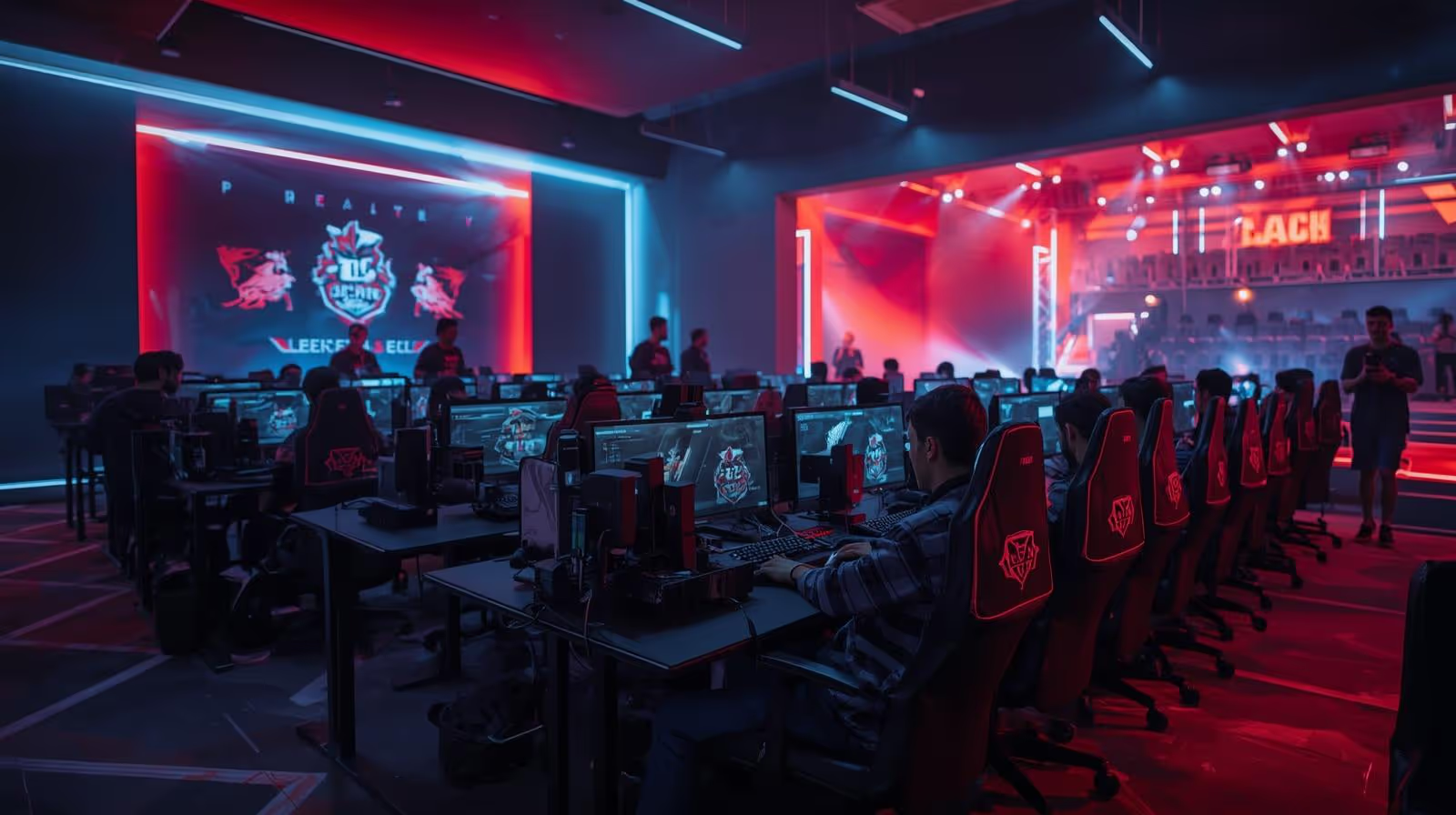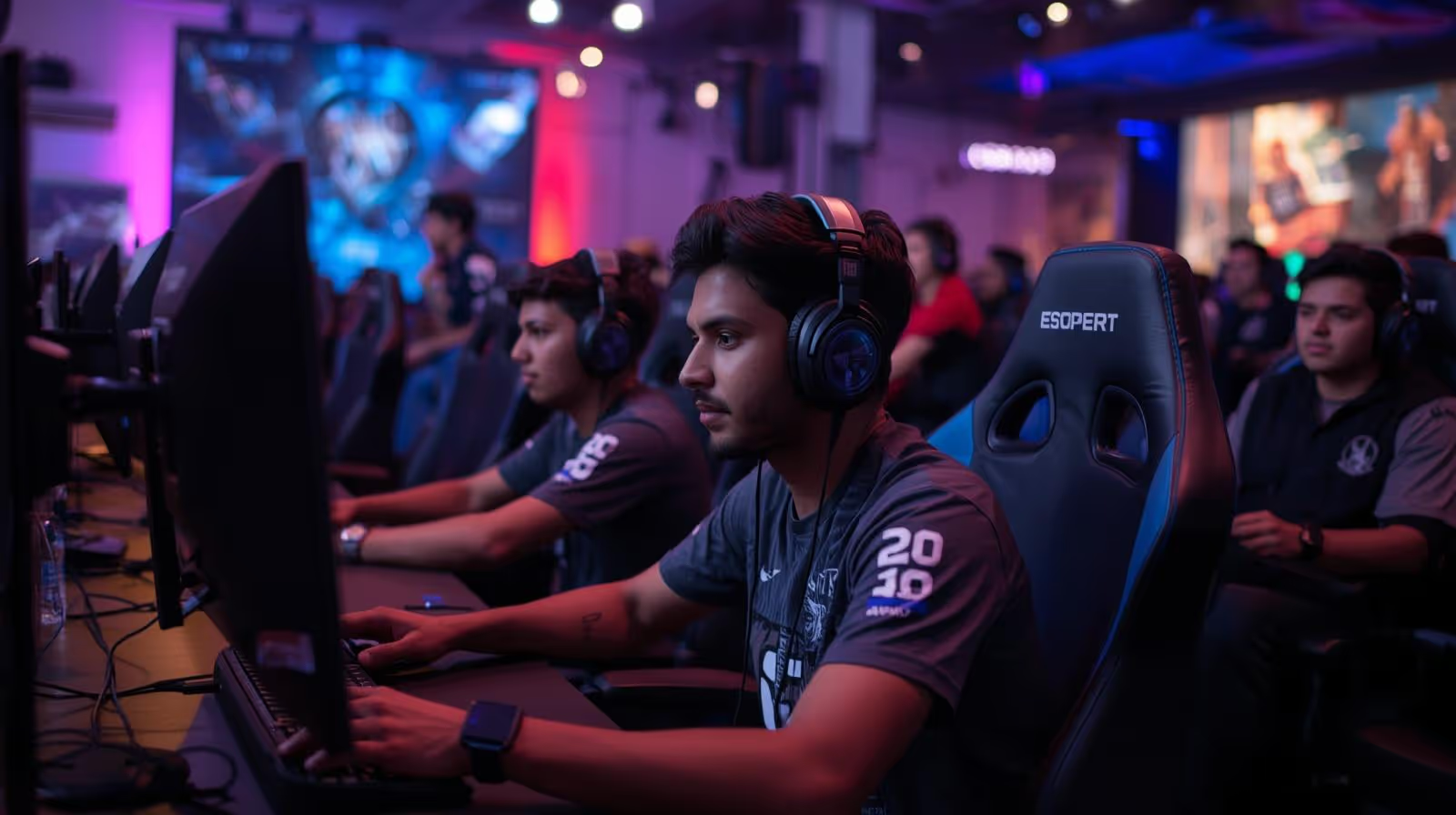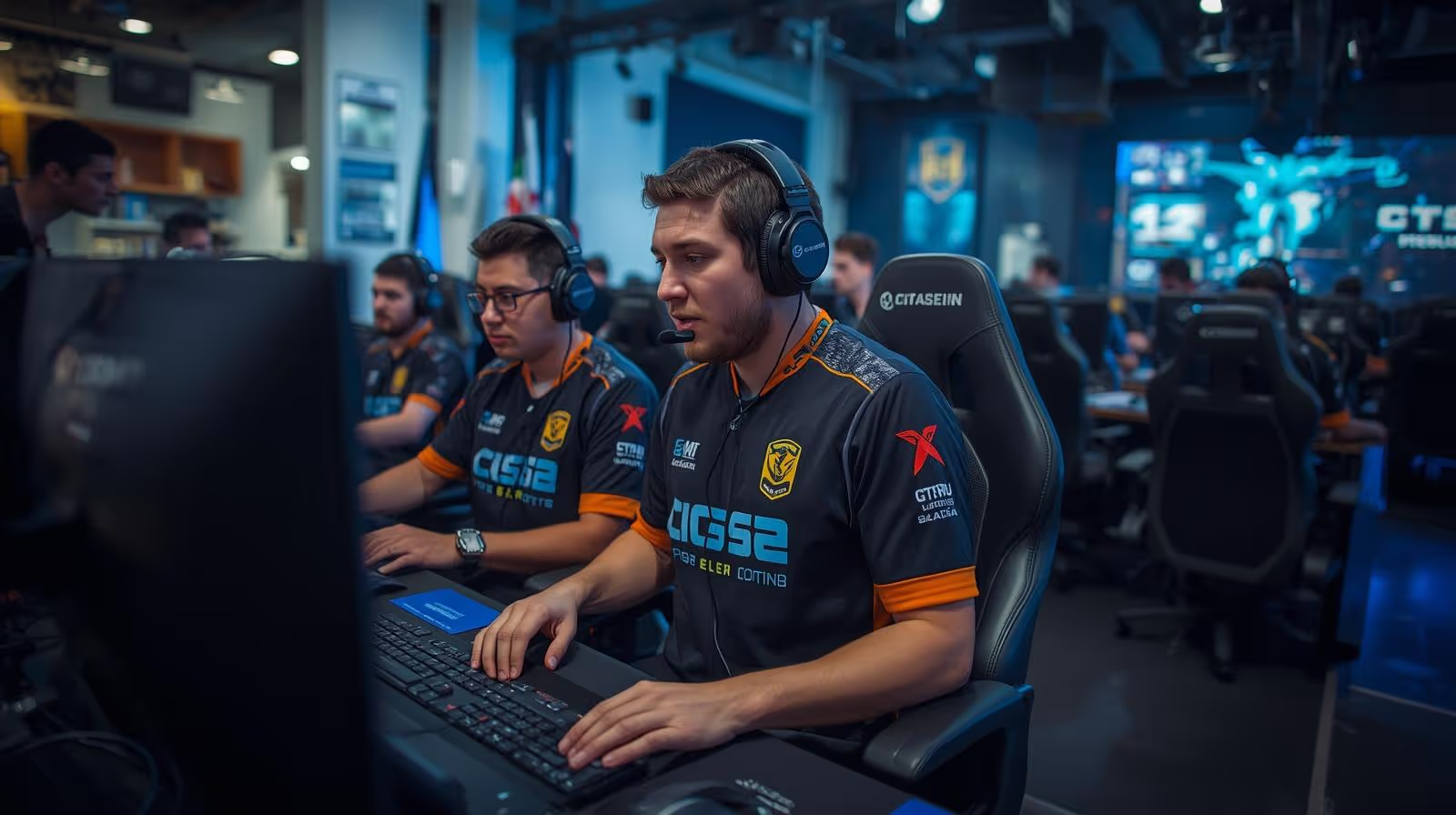

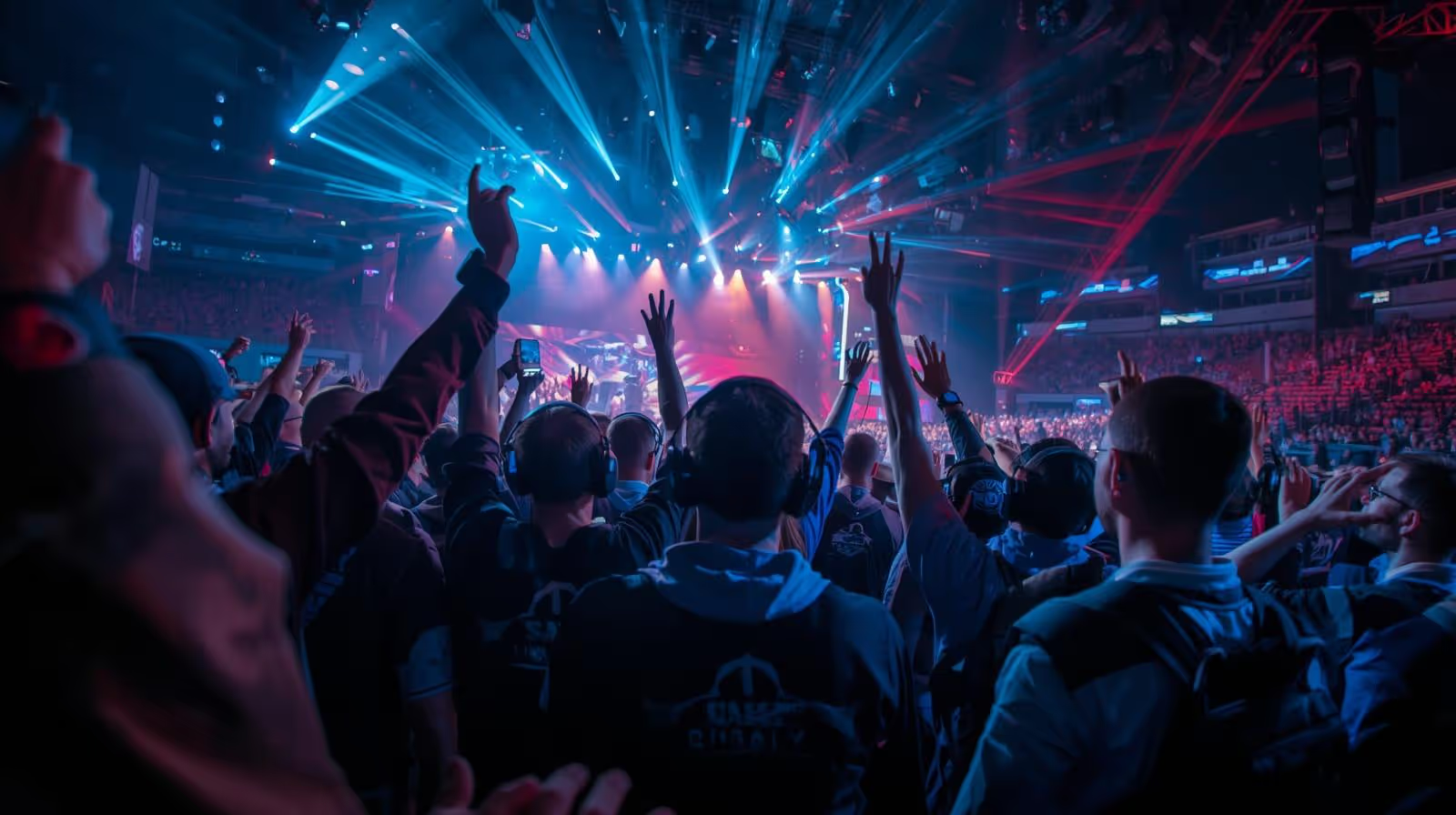

For a while now, European esports fans have lived on hopium more than silverware. Worlds and Champions roll around, expectations spike, and then the story repeats: early exits, heartbreak in tight series, long title droughts.
It feels like the golden age of G2 finals, Fnatic miracle runs, and early EMEA dominance in Valorant is a memory. Lately, Europe has been the region that “almost” makes it, not the one lifting trophies.
But the next competitive cycle looks different. New talent is flooding in, orgs are calmer and smarter with roster moves, and meta trends in both League of Legends and Valorant are drifting toward styles Europe actually prefers. Add in better formats and deeper investment, and you get a real shot at something fans have not felt in a while: a genuine comeback at Worlds and Valorant Champions level, not just a cute underdog story.
So what changes will make that swing possible, and how will we know if Europe is really back?
From Near-Glory To Slumps: How European LoL And Valorant Fell Behind
Europe did not drop off overnight. The pattern is easy to spot if you zoom out: years of deep runs and finals, then a stretch where even getting out of Swiss or groups felt like a struggle.
Instead of being feared favorites, EU and EMEA became the “dangerous dark horse” that rarely finished the job.
Once A Finalist Region, Now Fighting To Escape Swiss Stage
In League of Legends, Europe used to be a lock for late bracket stages. G2 and Fnatic were not just famous brands; they were constant visitors to semifinals and finals. Fans expected at least one of them to be alive in the last weekend of Worlds.
Recently, the story has flipped. European teams often get stuck in the Swiss stage or bow out in their first playoff match. G2, Fnatic, Movistar KOI and others still draw huge crowds, but their results read more like “respectable exit” than “title threat.”
Meanwhile, T1 and the top Chinese squads took over the spotlight. LCK and LPL teams turned consistent macro and stacked talent pools into trophy after trophy, while Europe shuffled rosters and tried to reset its identity.
Valorant’s EMEA Hype Turned Into Ups And Downs
When Valorant esports kicked off, EMEA looked scary. Massive brands, loud arenas, and smart calling created the idea that Europe might own this game.
That hype cooled over time. EMEA squads like Fnatic, Team Liquid, GIANTX, Team Heretics, NAVI, and BBL still made Champions, hit playoffs, and even reached grand finals. But the big trophies slipped away in painful fashion.
Tight best-of-five finals lost 3-2. Overtime maps where a single clutch changed everything. Map pools that fell apart at the worst time. Watching some of those series, you could feel how close EMEA was, yet how often it walked away with “only” a deep run.
Why EU Fans Started Asking If The Golden Era Was Over
Fans took it hard. Every offseason seemed to bring another round of panic swaps: imports in, rookies out, then the reverse a split later. Star players burned out or left, and many “superteams” never matched their own scrim stories on stage.
Social media filled with memes about Europe being cursed at Worlds and Champions. Copium threads, “EU will grief again” jokes, and endless debates about bad drafts or weak coaching turned into a cycle of frustration.
That sinking feeling matters, because it sets up the contrast. A real comeback will not just be about winning; it will be about breaking that mental script and giving fans a reason to believe again.
New Blood And Smarter Rosters: The Next Wave Of European Talent
The first sign that a region is about to rise again is always the same: the players look different.
Across both LoL and Valorant, Europe finally has a fresh wave of talent that is not scared of old kings, not chained to “meta from two seasons ago,” and not happy to play for close losses.
Rising European Stars Ready To Break Out On The Big Stage
In League, players like Elyoya have already shown they can hang with the best. Even when EU teams did not reach deep into playoffs, you saw flashes: bold jungle pathing, creative mid-jungle duos, and laners willing to fight instead of just handshake scaling.
Behind them is a new class of aggressive junglers, flexible mids, and fearless bot lanes. They are less impressed by Korea or China, and more focused on pushing their own style.
Valorant tells a similar story. EMEA rosters are pulling in hungry duelists and flex players from Ascension and regional circuits. Names like kaajak and Veqaj entering top rosters show that orgs trust sharp, fast decision makers who thrive under pressure.
Does that guarantee trophies? Of course not. But for the first time in a while, Europe is stocked with players who look ready to win on international stages, not just “gain experience.”
Academy Leagues And Talent Farms Finally Paying Off
This surge did not appear from nowhere. Regional leagues and academy systems in Europe have been grinding for years.
In League, the ERLs and EMEA Masters built a deep pool of players who already know stage pressure and best-of series. With the new LEC Versus event mixing LEC teams with top ERL lineups, young pros get to test themselves straight away against partner teams.
In Valorant, Challengers and Ascension feed directly into VCT EMEA. Two promotion spots and stacked qualifiers keep that ladder hot. When a player pops off in Ascension, fans now expect to see them in partner leagues within a season, not in some distant future.
The result is a real pipeline: academy and ERL players moving up, not just rotating around tier two forever.
Smarter Roster Building Instead Of Panic Rebuilds
The second big shift is mindset. European orgs finally look tired of blowing up rosters after one bad split.
More teams are adopting a long-term plan: keep a strong core, upgrade one or two positions at a time, and build around clear strengths, like a world-class jungler or a shot-calling support. Personality fit and communication matter more, which reduces the chance of internal collapse mid-season.
Many orgs have studied how LCK and LPL teams build stability, but they adapt it to EU culture. Squads still carry that classic European flavor, with creative drafts and flexible picks, just without the constant chaos of infinite changes.
Meta, Maps, And Mindset: Why The Next Season Could Favor Europe
Even the best roster struggles in a hostile meta. The encouraging news for Europe is that both LoL and Valorant are drifting into styles that line up with long-time EMEA strengths.
League Of Legends Meta That Rewards EU Macro And Drafts
Recent patches pushed League toward objective focus, smart rotations, and scaling drafts.
Teams win by controlling vision, stacking dragons, and playing out side lanes, not only by brute forcing early kills. Items are less scripted than the old Mythic era, and creative drafts with flexible mids and strong junglers feel more valuable again.
This is where Europe historically shines. LEC teams are comfortable with:
- Macro-heavy setups, like slow baron dances and cross-map trades
- Creative drafts, with flex picks and offbeat counters in mid and jungle
- Scaling carries, such as late-game marksmen supported by tanky fronts
When the meta rewards thought-out plans and map control instead of constant skirmish spam, European squads can stand toe to toe with LCK and LPL more often.
Valorant Maps And Agent Shifts That Help EMEA Teamplay
Valorant balance changes have clipped some overloaded utility and shifted more weight onto gunplay, spacing, and coordinated executes.
That might sound like it helps pure aim regions, but it quietly boosts EMEA as well. European teams have always been strong at:
- Structured defaults to gain map control
- Heavy utility layers on site hits and retakes
- Clear mid-round calling from experienced IGLs
On maps like Bind or Haven, where spacing and utility timing decide rounds, EMEA’s style shines. Single-initiator comps plus smart duelists fit the region’s habit of playing for map info, then hitting fast when an opening appears.
If utility remains important, but not oppressive, the meta sits in a sweet spot for Europe: strong teamplay plus a few star fraggers who can tip tight rounds.
Stronger Mental Game After Years Of Painful Losses
The last key piece is mental. Losing big series hurts, but it also teaches.
After repeated heartbreaks at Worlds and Champions, European orgs have stepped up their work around:
- Sports psychologists and performance coaches
- Travel planning, sleep, and scrim schedules
- Honest review culture, where even stars get real feedback
Veterans who lived through those crushing best-of-fives, like long-time LoL mid laners or Valorant IGLs such as Boaster, can pass on coping tools to younger teammates. That matters on stage when a series goes to the fifth map, or when a team has to bounce back from a brutal stomp.
Europe will still have nerves, of course, but the region is much less likely to crumble from pure pressure than it was a few seasons ago.
Org Money, League Changes, And EU Superteams: The Support Behind The Comeback
Talent and meta are only half the story. The structure around players has improved too, giving Europe a stronger platform to fight from.
Fresh Investment And Staff Upgrades In European Esports
Top orgs in Europe are spending smarter, not just bigger.
Instead of only chasing flashy signings, they are funneling money into:
- Strategic analysts and draft coaches
- Positional coaches for lane or role specifics
- Performance staff focused on health, mindset, and habits
Teams like Fnatic, G2, and Heretics have reworked coaching staffs in both LoL and Valorant, experimenting with new voices and assistant roles. Quiet staff upgrades rarely trend on social media, but they translate into sharper prep and better adaptation during events.
In a region that already has strong theory brains, giving coaches more tools is a quiet superpower.
LEC And VCT EMEA Formats That Build Stronger Teams
Riot’s format changes also tilt things in Europe’s favor.
On the League side, the LEC calendar now features:
- Extra splits and the Versus event
- More best-of-threes and best-of-fives
- Fearless Draft rules in some stages that force deeper champ pools
That means top LEC teams hit Worlds with far more stage reps in long series and high stress games. They have seen weird drafts before, they have reverse swept series, and they have learned to prep short turnaround matches.
In Valorant, VCT EMEA runs double-elimination brackets in Kickoff and opens Ascension for more promotion spots. That raises the level for both partner and challenger squads, giving EMEA deeper practice before Champions.
Instead of sleepwalking through easy regular seasons, European teams fight tooth and nail long before they reach global events.
The Next Generation Of EU Superteams And Dark Horses
Roster rumors never stop in Europe, but this time they point toward a healthier mix.
You can imagine new “superteam” cores forming around franchise stars, with strong junglers, mids, or IGLs as the anchor. At the same time, underdog rosters like Movistar KOI in League or GIANTX in Valorant have already shown that EU can produce surprise contenders from below.
That balance is powerful. Superteams push the ceiling of what is possible, while dark horses keep the scene honest and deepen the talent pool.
A real comeback year for Europe probably looks like both: one or two stacked lineups making serious title pushes, and at least one hungry outsider kicking down the door.
What A True European Comeback In LoL And Valorant Would Actually Look Like
So how will we know if Europe is back, not just lucky?
It is not enough to win a single wild best-of-five. A comeback that matters shows up across multiple teams and multiple events.
Deep Worlds And Champions Runs From More Than One EU Team
The first sign is numbers.
In League, that means more than one LEC team reaching knockout stages at Worlds. Think two European squads in the top eight, or even a semifinal where EU faces EU.
In Valorant, it looks like at least one EMEA team making Champions playoffs every time, with realistic shots at the trophy, not just “nice to be here” energy. Back-to-back playoff appearances from different EMEA orgs would tell the whole story.
A title in either game would be huge, of course, but the key is depth. Europe has to feel dangerous from seed one to seed three.
Consistent Respect From Other Regions, Not Just One-Off Hype
Respect is hard to measure, but you feel it.
When analysts and casters from other regions start talking about LEC and VCT EMEA squads as genuine threats, not just scrappy underdogs, that is a serious shift. When top Korean, Chinese, or American teams treat scrims against Europe as high value, not warm-up, the story has changed.
You will see it online too. Jokes about “EU griefing again” will fade, replaced by fear about facing European teams in best-of-fives.
A Strong Foundation So EU Stays On Top, Not Just Visits It
Finally, a real comeback lasts.
The goal is not one miracle year and then another slump. A true return to form means:
- Deep talent pipelines from ERLs, Challengers, and Ascension
- Stable orgs that keep cores together for several seasons
- Coaching trees where assistants grow into strong head coaches
- Fanbases that stay loud even through rough splits
If Europe builds that foundation, it stays in the trophy race every single international event instead of randomly spiking.
Conclusion
Europe has taken its hits in both League of Legends and Valorant, but it has not wasted the pain. Stronger talent pipelines, smarter rosters, favorable meta shifts, and improved structures all point toward a real shot at a comeback in the next Worlds and Champions cycle.
Nothing is guaranteed, and the top regions will not give up their crowns without a fight. Still, the gap looks smaller than it has in years, and Europe finally has the tools to close it.
If you care about esports, keep watching the LEC and VCT EMEA, follow the rookies coming out of academy and Ascension, and pay attention to the next round of superteams and dark horses. The next world champion might be wearing a European jersey again, and you will want to say you saw the comeback coming.



%20-%20EsportsShaka.avif "How to Find Your First Sponsor as a Young Gamer (Realistic Beginner Guide)")