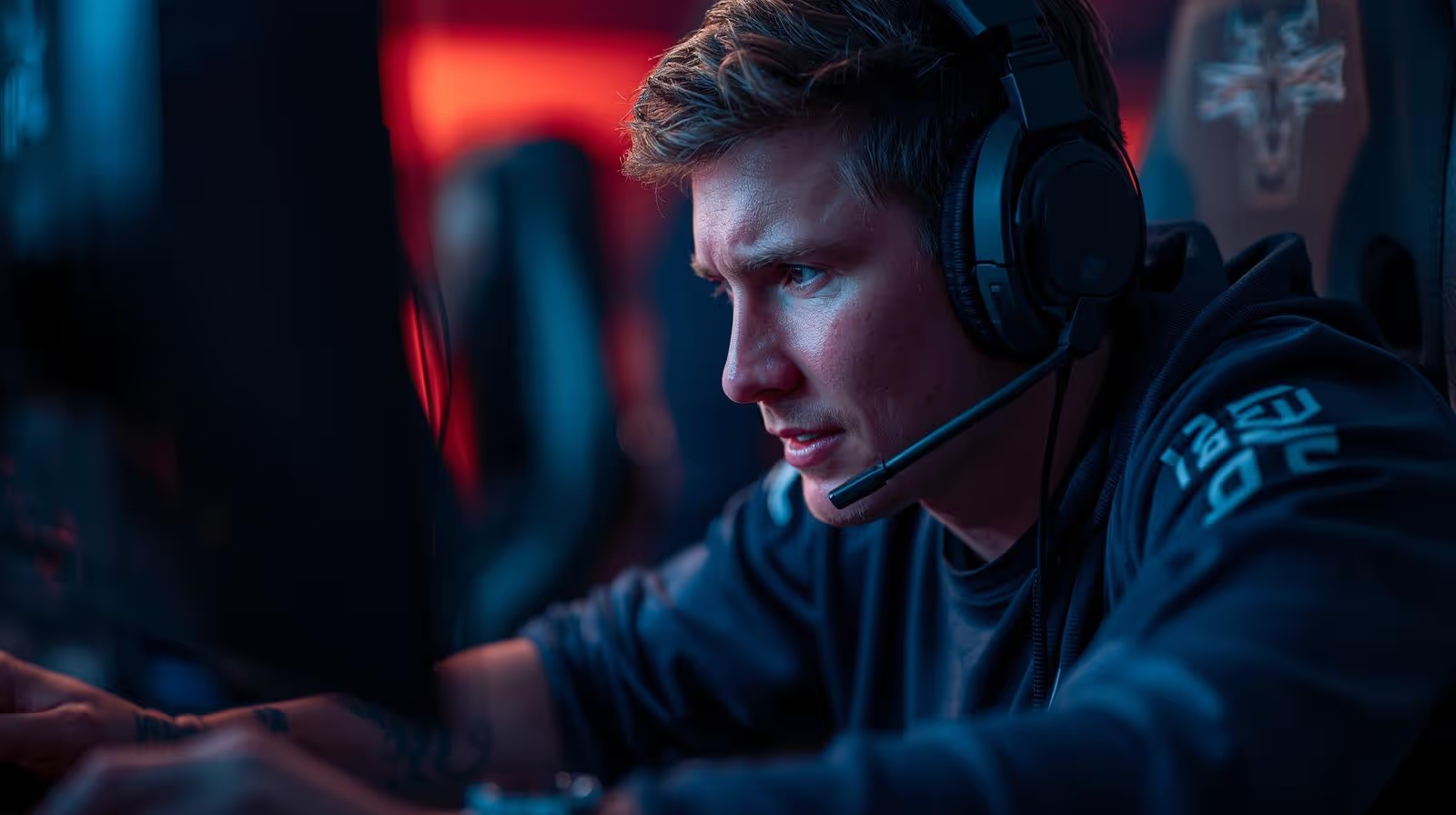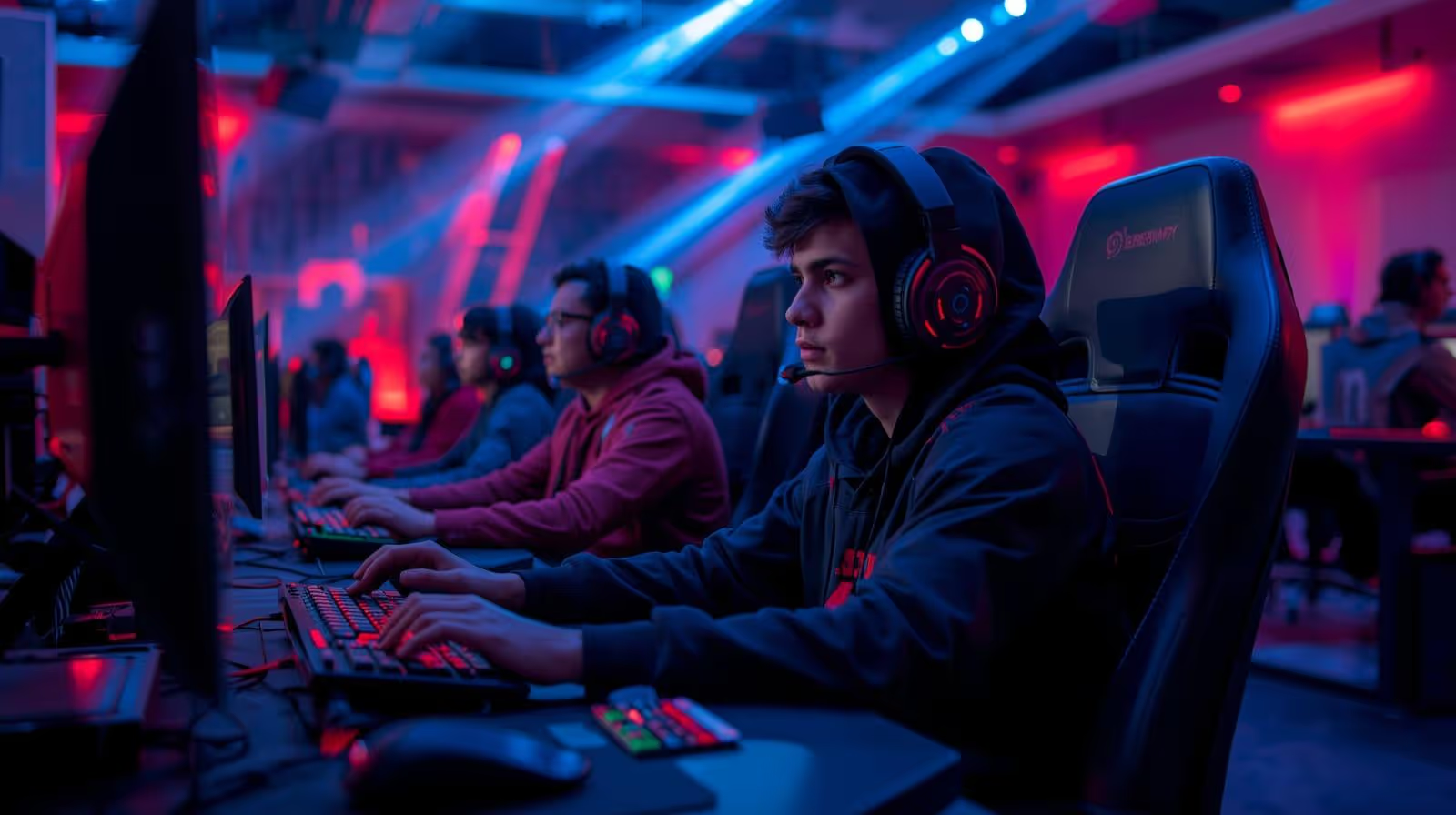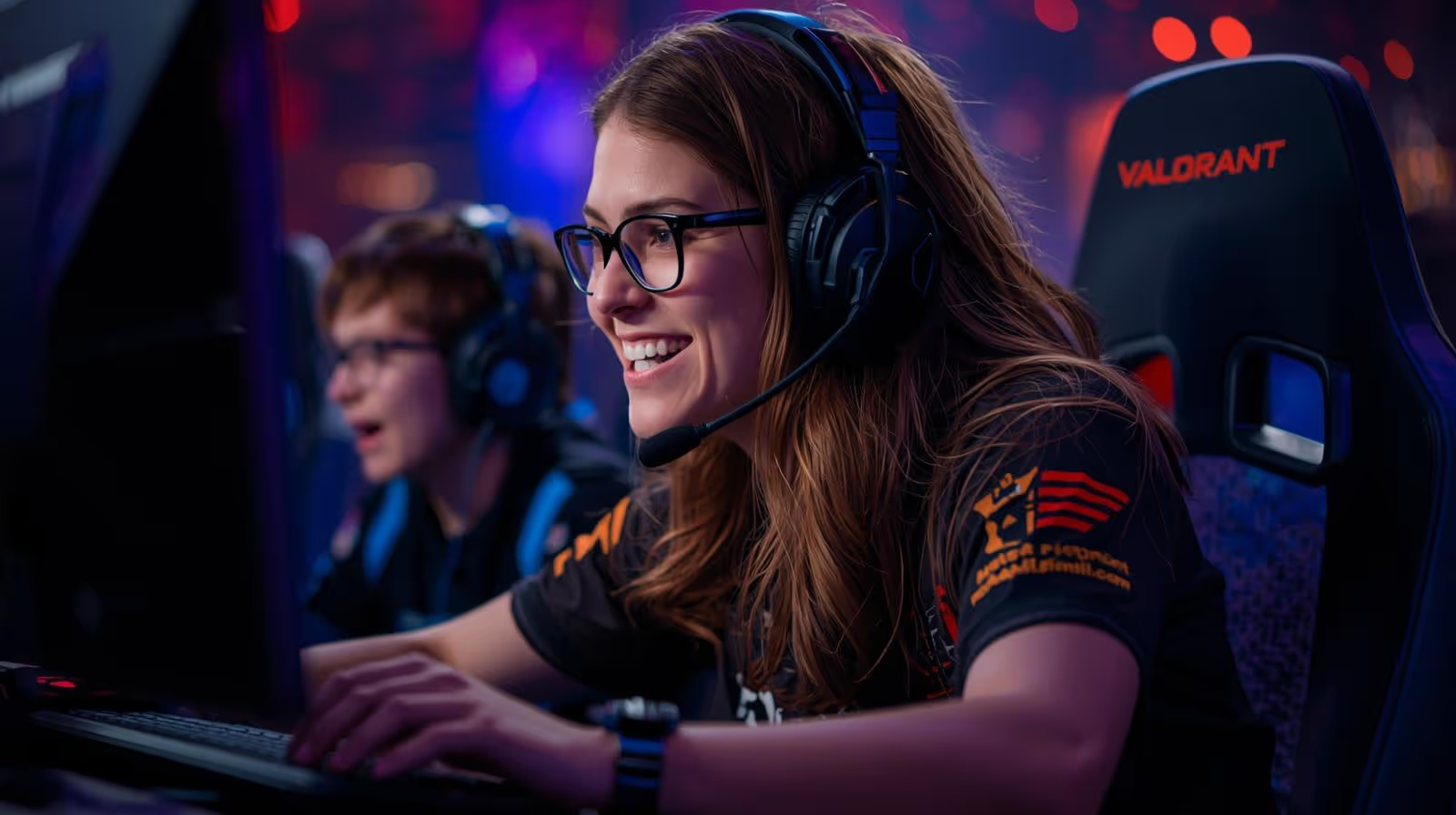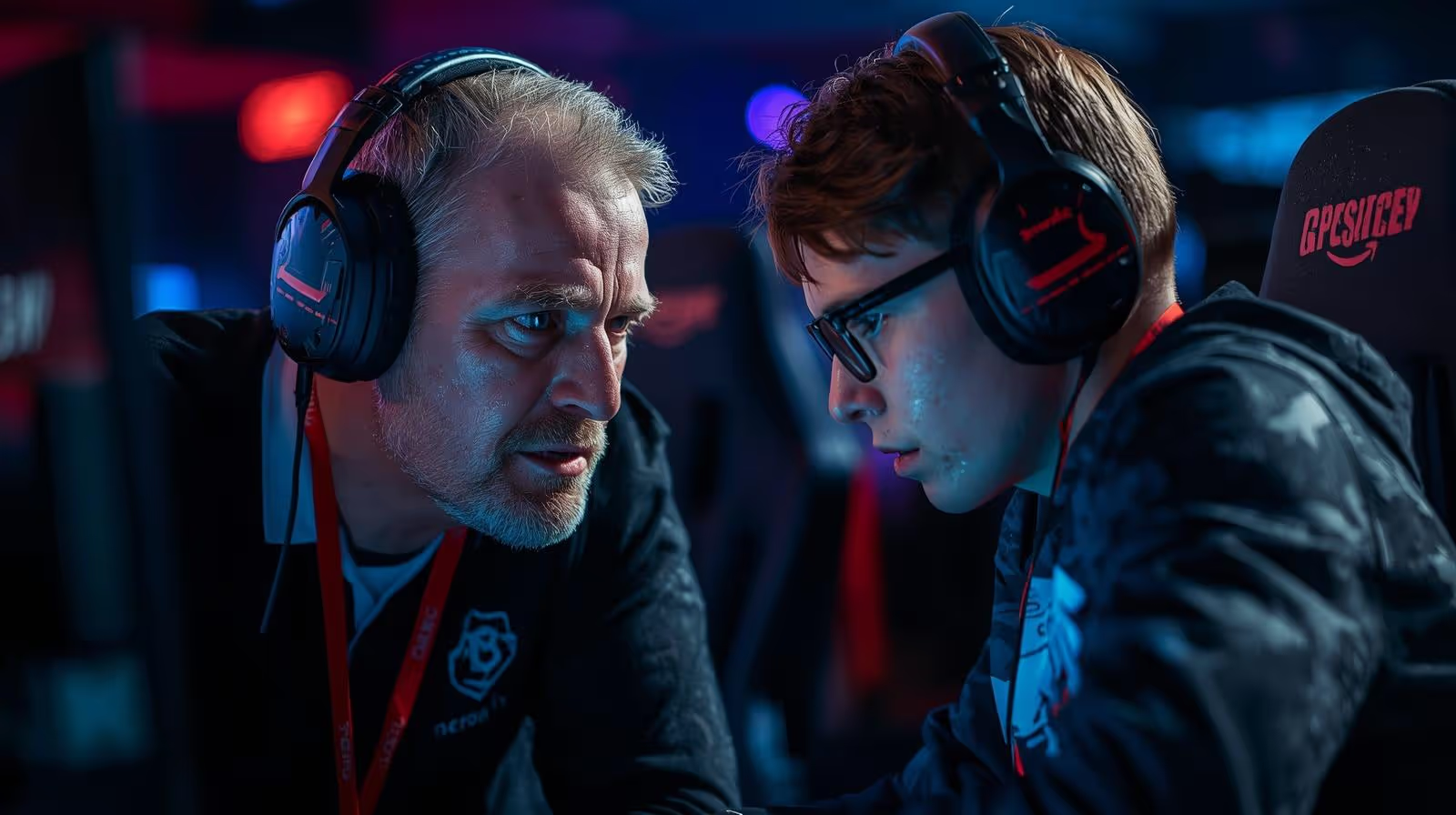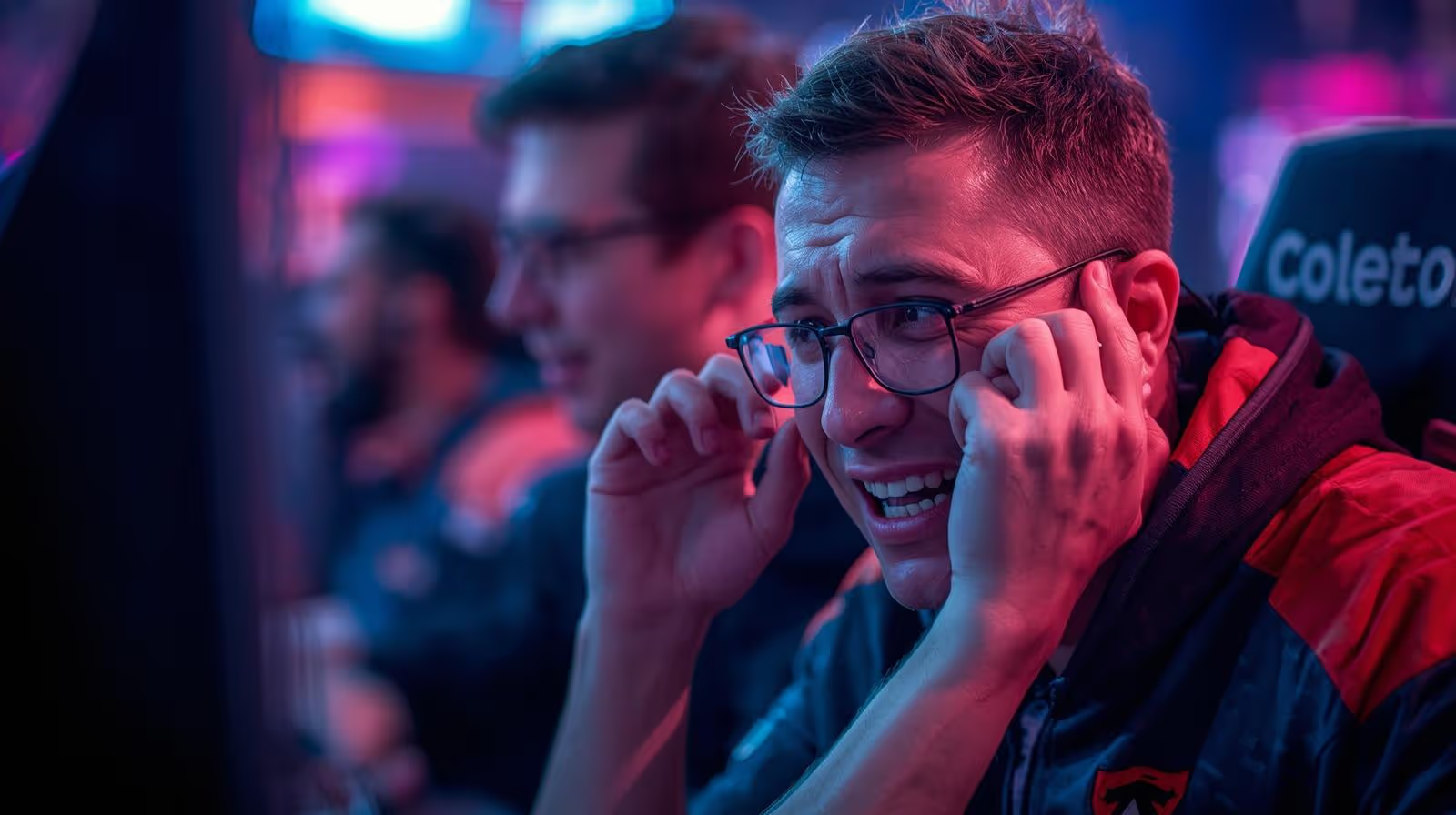


The stage lights were blinding, the crowd was loud, and the final round had just ended. A Radiant level Valorant pro had clinched the last clutch. His team jumped up, staff rushed in, cameras moved closer.
Then he did something nobody expected.
Instead of soaking in the moment alone, he walked to the front of the stage, pointed to the crowd, and waved someone over. A small, shy kid in a hoodie stepped forward. His Iron ranked little brother, the same kid people had laughed at for being "bad" at Valorant.
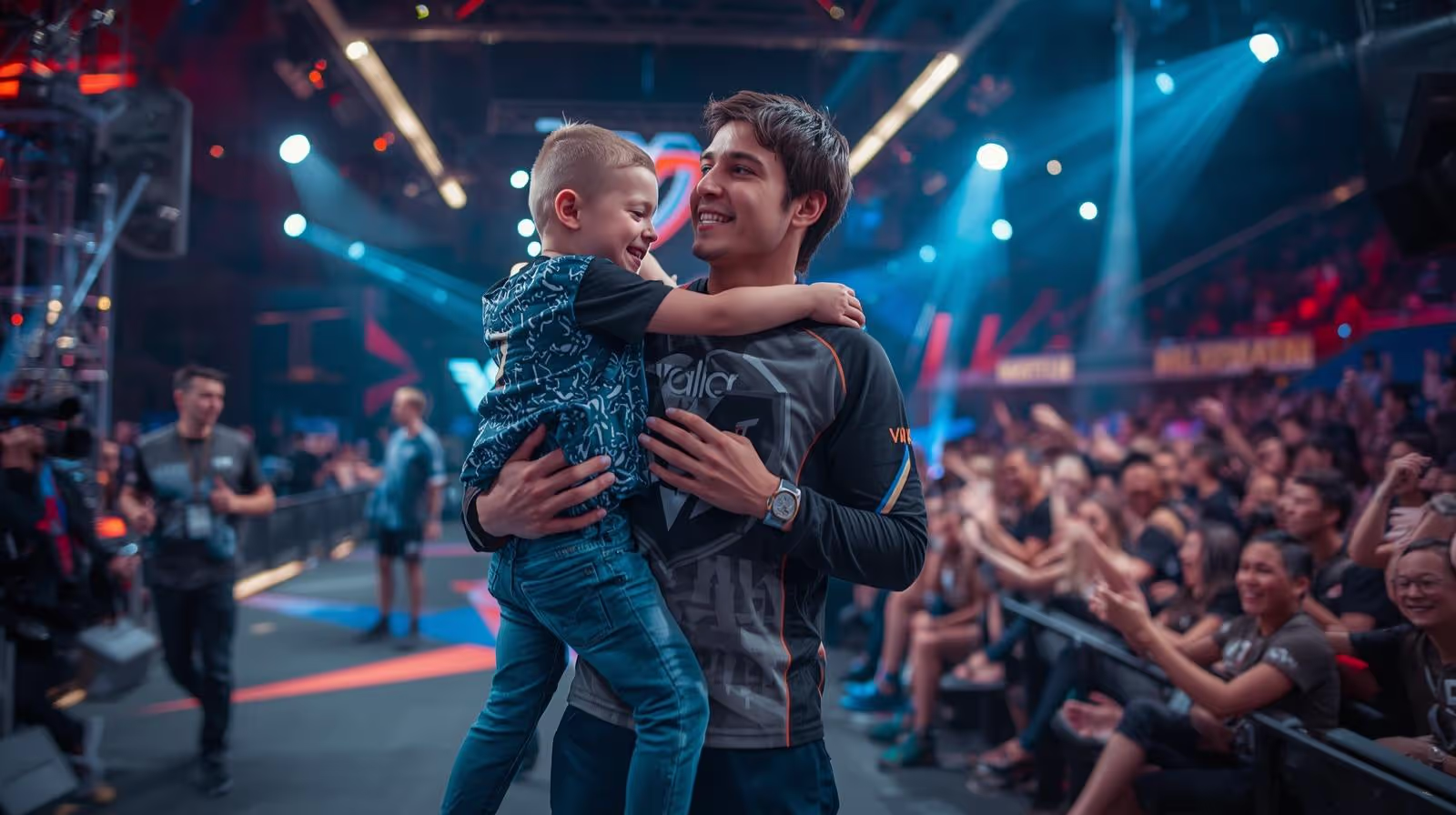
The pro scooped him up, carried him on his shoulders, and turned so the entire arena could cheer for him.
That short clip exploded on YouTube, TikTok, and esports Twitter. It still pops up in highlight reels and Valorant montages because it tells a simple story about family, bullying, and what real victory looks like in gaming.
This post walks through what happened in that moment, why it hit so many players, and what it teaches about bullying, leadership, and culture in esports. It is not just about one pro and his brother. It is about how we treat each other every time we queue up.
The Valorant Moment Everyone Shared: What Actually Happened
The clip comes from a Valorant event where a well known streamer and pro, playing at Radiant level, had made a deep tournament run. His younger brother, a low rank Iron player, was there in the crowd to support him.
People already knew a bit of their story from streams and content. The older brother was a star. The younger one loved the game but struggled with aim, game sense, and nerves. That gap in rank had become a running joke for some viewers and, sadly, for some random players in matchmaking.
During the event weekend, the little brother caught some of that negativity in person.
From Iron Little Brother to Viral Star in One Weekend
The younger brother adored Valorant. He queued Iron lobbies, watched guides, and stayed up late to cheer when his big brother scrimmed. He did what many younger siblings do. He copied crosshairs, tried the same agents, and bragged at school that his brother was cracked.
But in ranked, low rank players get hit hard. You know how it goes. Miss a shot, and someone types in all caps. Lose a round, and chat blames "the Iron bot." At the event, some kids and even a few adults gave him side comments about his rank.
They asked what rank he was, heard "Iron," then smirked or laughed. They treated his rank as a punchline, not as a starting point.
If you have ever been stuck in Iron, Bronze, or Silver, does that sound familiar?
He still showed up for his brother, though. He wore team colors, sat close to the front, clapped at every win, and tried to ignore the teasing. He was not the star of the show yet. He was just the kid in the crowd who loved Valorant and loved his big brother more.
How the Radiant Big Brother Stepped In
The pro brother heard some of the comments and also knew the story from solo queue. He had listened to teammates flame his little brother over voice, even when they did not know they were related. He had watched the kid mute, get quiet, and start to believe the trash talk.
Instead of snapping back, the older brother chose a different route.
He queued with him on stream, smurfed on a lower ranked account, and played support. He talked to teammates calmly when they started to flame. He said things like, "Chill, he is learning, focus on the next round," or "Talk about the play, not the player."
At the LAN, when he heard people tease his brother in person, he did the same. No yelling, no drama. Just clear, firm respect.
He pulled his brother aside, reminded him that rank does not measure heart, and told him to enjoy the matches. Then he went back to the stage and did what he does best, he locked in and carried.
The way he handled it showed real leadership. He backed his family, set the tone, and refused to feed the fire that bullying needs.
Winning the Tournament and Lifting His Brother on Stage
The games were tight. Utility trades, retakes, and those tense 1v1s where the whole room holds its breath. The pro put up huge numbers, but it was not just him. The whole roster pulled together.
When match point finally hit and the last defender fell, the arena erupted. Fans raised signs, staff rushed up, teammates hugged. The casters shouted his name and hyped the clutch.
Then came the moment that turned a good win into a legendary clip.
The pro stepped away from the trophy table, looked into the crowd, and waved for his brother. At first the kid hesitated. Security and staff gestured for him to come forward. Then he walked, a little stiff, a little unsure.
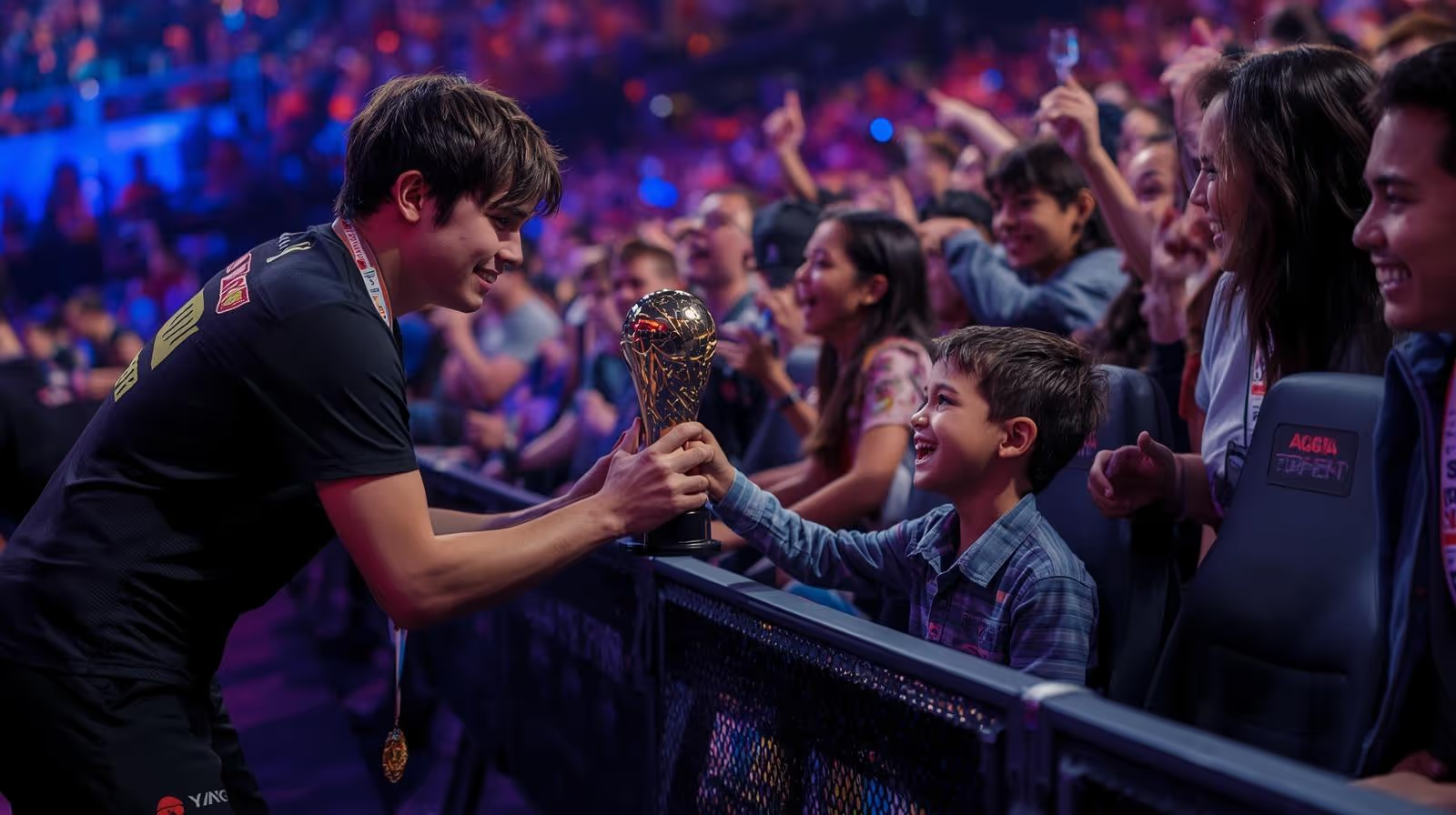
The pro bent down, pulled him into a hug, then lifted him up. Some versions show him carrying the kid on his shoulders, others show him holding him off the ground, but the feeling is the same. The crowd cheered for the Iron brother like he had just dropped a 30 bomb.
Teammates smiled and pointed. One gave the kid a team jacket. Casters laughed and called it one of the most wholesome Valorant moments online.
That simple act turned a win on stage into a win for everyone who has ever felt small in a lobby.
Why Carrying His Little Brother on Stage Mattered So Much
On paper, nothing huge happened. A player won a tournament and then brought someone he loved into the spotlight.
So why did millions of people watch and share it?
Because it hit right where esports often hurts. Bullying is common. Rank shaming is normal. Many players carry quiet stories of being mocked in voice chat or DMs. Seeing a pro flip that script in public felt like payback in the best way.
This moment showed that skill and kindness can live in the same player.
From Bullying and Rank Shaming to Feeling Seen
In Valorant, people throw rank around like a weapon. "Iron dog," "Hardstuck Bronze," "No way you are this bad." These phrases show up in all chat, TikTok comments, and even on some streams.
Young players hear that and start to tie their worth to their badge.
The little brother in the clip lived that experience. He heard that his rank was something to be ashamed of. Then everything changed in one moment. The same kid others laughed at got lifted into the light, in front of an arena and thousands more watching online.
Have you ever wished someone would stand up for you when chat turned toxic?
Being carried on stage took his "worst" label and flipped it. He was no longer just "the Iron kid." He was the pro's brother, the brave fan, the kid the whole crowd cheered.
What This Moment Shows About Real Leadership in Esports
Pro players are more than aim and agents. People copy their crosshairs, but they also copy their attitude. When they bully, others feel allowed to do the same. When they show respect, it spreads too.
The Radiant brother in this story did not only win with kills. He used his status to protect someone with less power. He shared his spotlight, not just his stats, and that is a deeper kind of carry.
This is what leadership in esports looks like:
- You notice when someone is getting targeted.
- You speak up without adding more rage.
- You include people in your success, even when you earned it yourself.
That kind of leadership shapes team culture, ranked lobbies, and even mental health. It tells younger players that they can care about winning and still care about people.
Why Fans Still Talk About This Valorant Clip
The clip keeps coming back in reaction videos, Reddit threads, and Valorant edit compilations. When people argue about whether esports is full of toxicity or full of heart, this moment often gets linked.
Fans use it as proof that pro scenes can be kind. Streamers react to it and talk about their own siblings or their own rough ranked stories. Content creators drop it into "wholesome moments in esports" videos.
Because the details are simple and human, the clip stays fresh. A big brother, a small brother, some bullies, and a happy ending. That story works in any patch, any meta, any era of the game.
Lessons Gamers Can Take From the Big Brother Who Carried His Sibling
The story is sweet, but it also gives clear steps for anyone who loves esports. You do not have to be Radiant or on a stage to act like that big brother.
You just have to decide how you treat people in your games.
How to Stand Up for Friends and Teammates in Games
You will hear bullying in voice chat. It might start as "banter" and then turn sharp. When that happens, you have more options than staying silent or flaming back.
Some simple lines help a lot:
- "Chill, focus on the round."
- "Talk about the strat, not the player."
- "We all started somewhere, just play."
You can also shift the mood. Call a play, suggest a new site hit, or praise a good flash. Attention moves where you point it.
The goal is not to start a new fight. It is to show the target that someone is on their side and remind the lobby that this is a team game, not a roast show.
Supporting Younger or Newer Players Without Talking Down to Them
If you have a younger sibling, cousin, or friend in low ranks, you hold a lot of power. The way you speak to them can either sound like coaching or like judgment.
Some ideas that match the spirit of the Radiant brother:
- Queue with them on a smurf or alt if allowed, and play support roles.
- After games, talk about one or two simple fixes, not every mistake.
- Celebrate small wins, like better comms or a good post-plant.
- Let them pick agents sometimes, even if it is not optimal.
On stage, the pro treated his Iron brother as an equal. He did not point at him like a joke or use him for content. He held him up like a teammate. You can do the same thing in your friend group, even if you never touch a LAN stage.
If You Are the "Iron Kid" in Your Scene, How Can You Stay Confident?
Maybe you are the one stuck in Iron or Bronze. Maybe you have heard the jokes, the sighs, the "mute this guy" calls. That hurts, even if you pretend it doesn't.
You still have more control than it feels like.
- Use the mute and block tools when someone will not stop.
- Stack with at least one kind friend, so you are not alone.
- Look for Discords and communities that are known for kindness.
- Set goals around learning, not just rank, like "better crosshair placement."
Remember, every pro started at the bottom. The player in this story hit Radiant only after years of grinding, losing, and learning. Rank shows where you are today, not who you get to be tomorrow.
You deserve to play, learn, and have fun, even if your badge is not shiny yet.
How Moments Like This Change the Future of Esports
One viral clip will not fix every toxic lobby. But moments like this still shift how people think about esports.
When a pro lifts his brother on stage, brands notice. Event organizers notice. Teams and coaches notice. They see that fans respond not only to big plays, but also to big acts of kindness.
That changes what gets rewarded and what gets repeated.
From Viral Clip to Role Model: What Orgs and Pros Can Learn
Teams want players who win, but they also want players who can represent a jersey in a healthy way. This Valorant story gives them a clear example of what to highlight.
Orgs can:
- Talk about respect and bullying in media training.
- Clip and share moments where their players help fans or teammates.
- Include family stories and community work in player spotlights.
Pros can ask themselves, "Who is watching me right now?" and act with that in mind. The Radiant brother had every reason to stand on that stage alone. Instead, he turned it into a shared win.
That choice is what kids will remember years later, more than any one headshot.
Why Family Stories Hit Hard in a Competitive Scene
Esports looks like pure competition on the surface. Screens, brackets, stats, and money. But under every hoodie is a person with parents, siblings, or friends who care.
Fans love seeing that side.
You see it when a player hugs a parent after a win, or when a kid in the crowd gets a signed mousepad and cries, or when a team lets a player bring their child onto the stage. These moments remind everyone that gaming is still about people first.
The Valorant clip of the pro carrying his Iron brother packs all of that into a few seconds. It says, "This is still a family thing," even at the highest level.
That feeling keeps fans attached to teams and players, long after the meta shifts or rosters change.
Conclusion
That image of a Radiant pro carrying his Iron little brother on stage sits in a lot of minds for a reason. It flips the usual script of bullying and rank shaming, and replaces it with support, loyalty, and real leadership.
The story shows that winning a trophy is only part of the victory. The rest comes from who you bring with you, who you protect, and who you lift up when the cameras are on.
Next time you load into a ranked game or walk into a local LAN, you have a choice. You can act like the random bullies in that kid's story, or you can act like the brother who carried him into the light.
When your moment comes, what kind of player do you want to be?