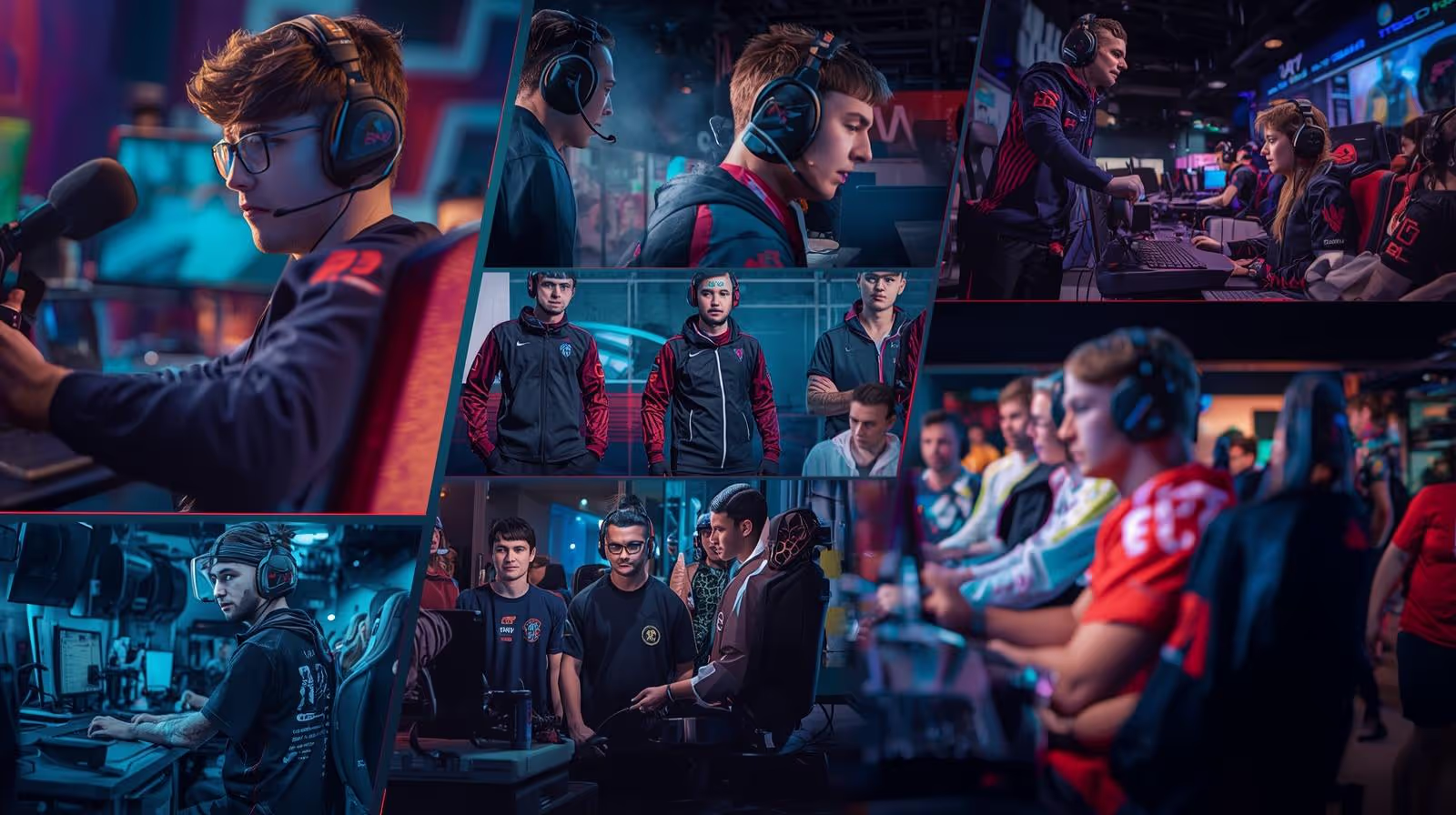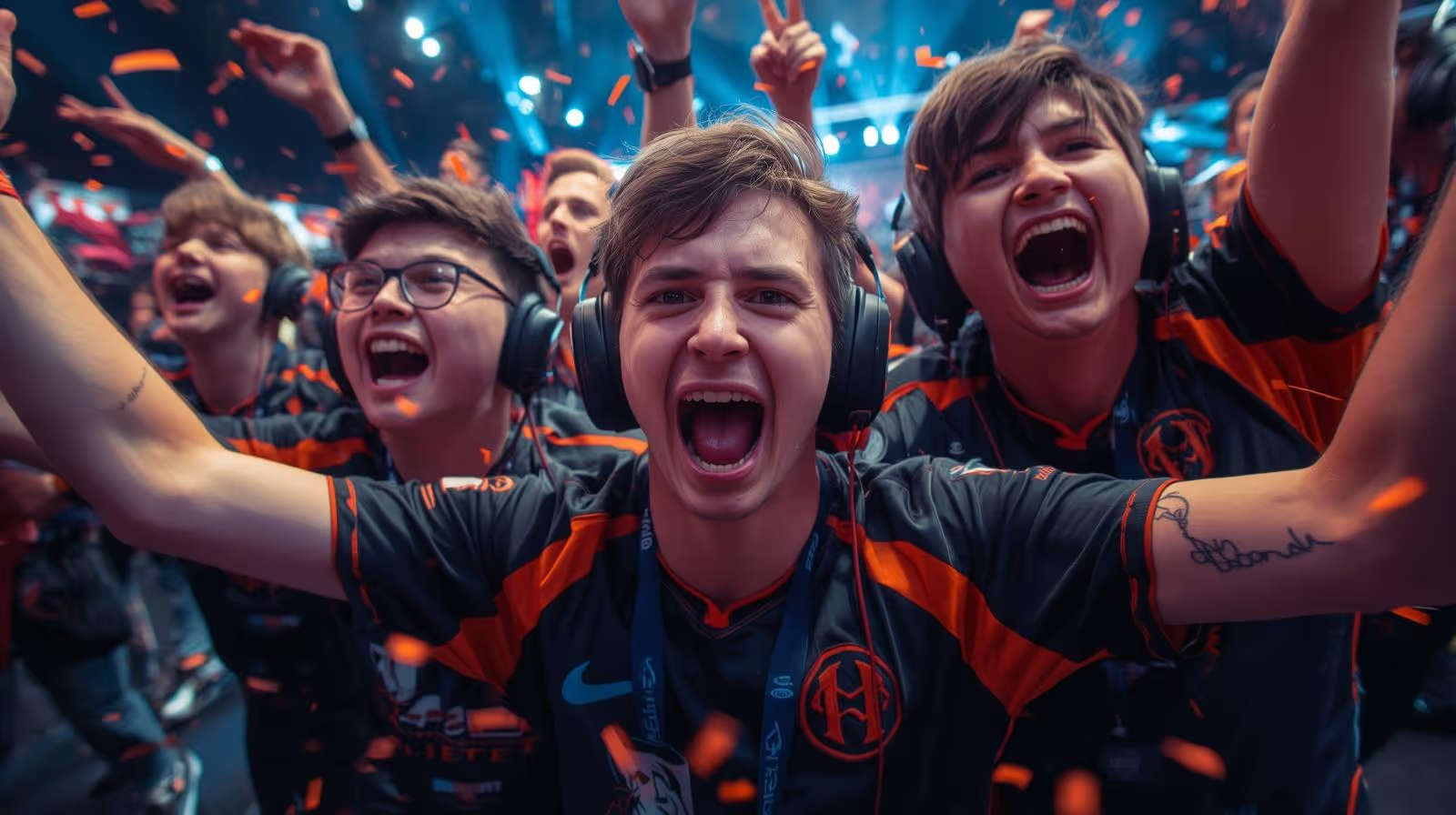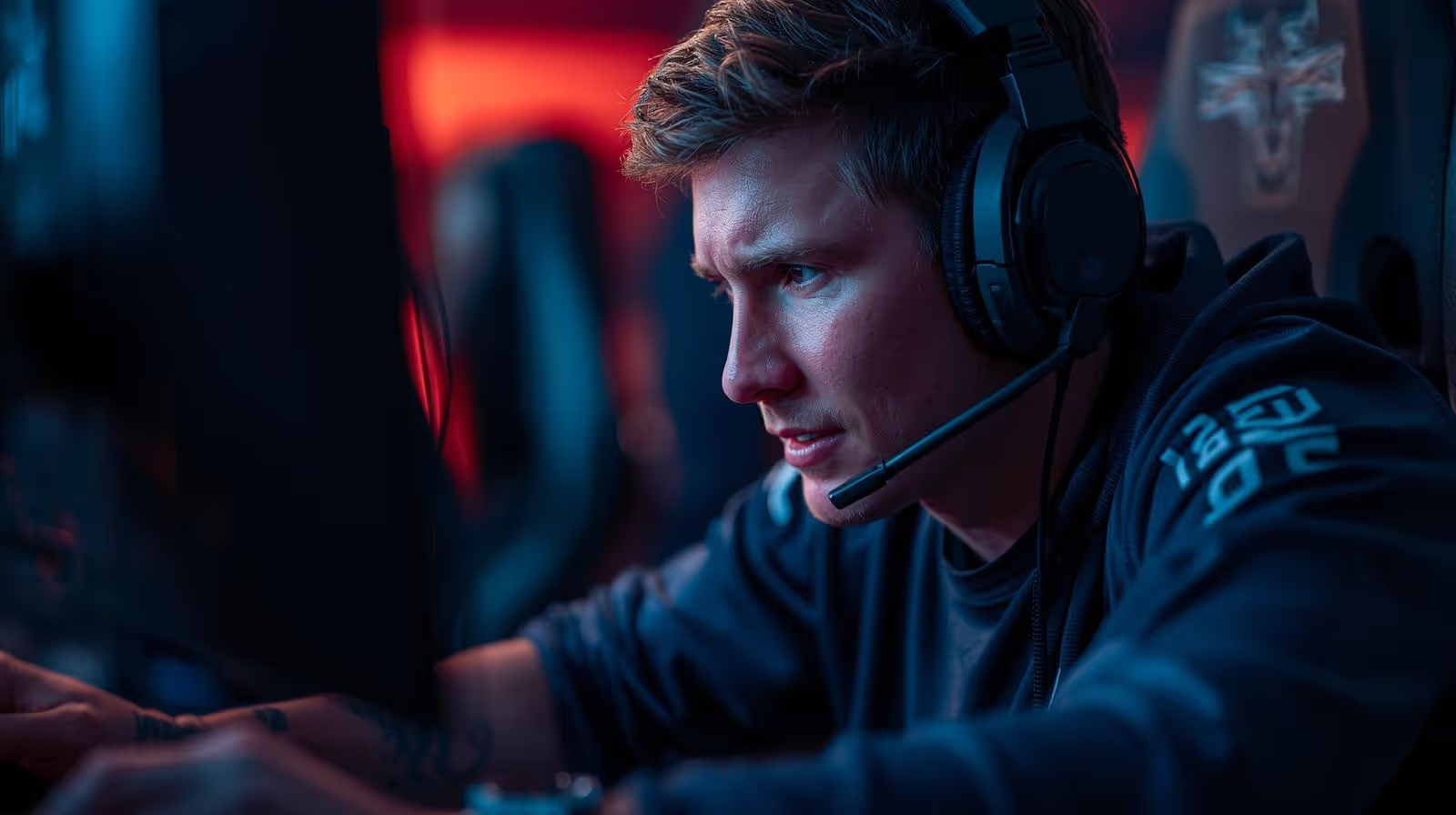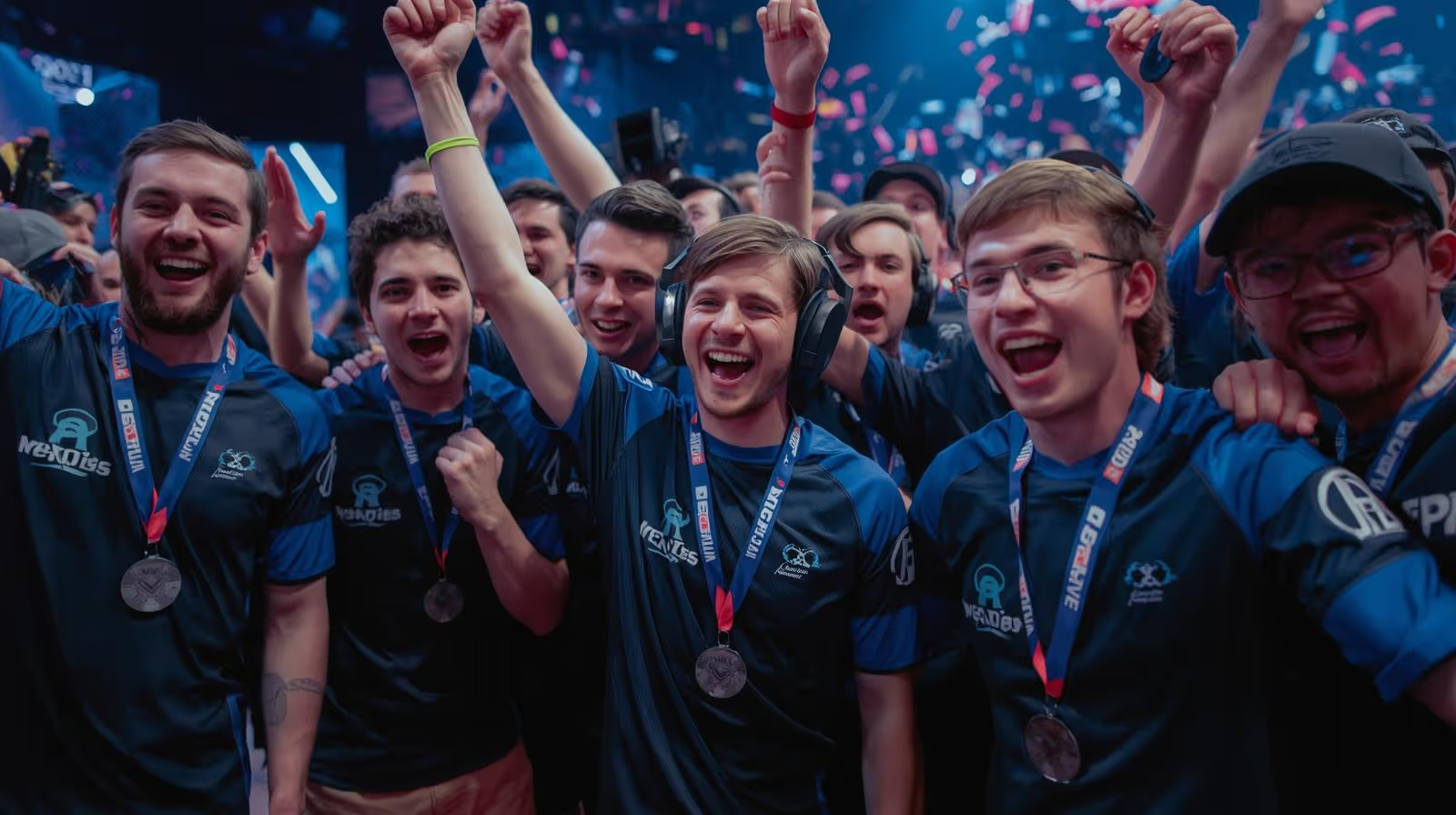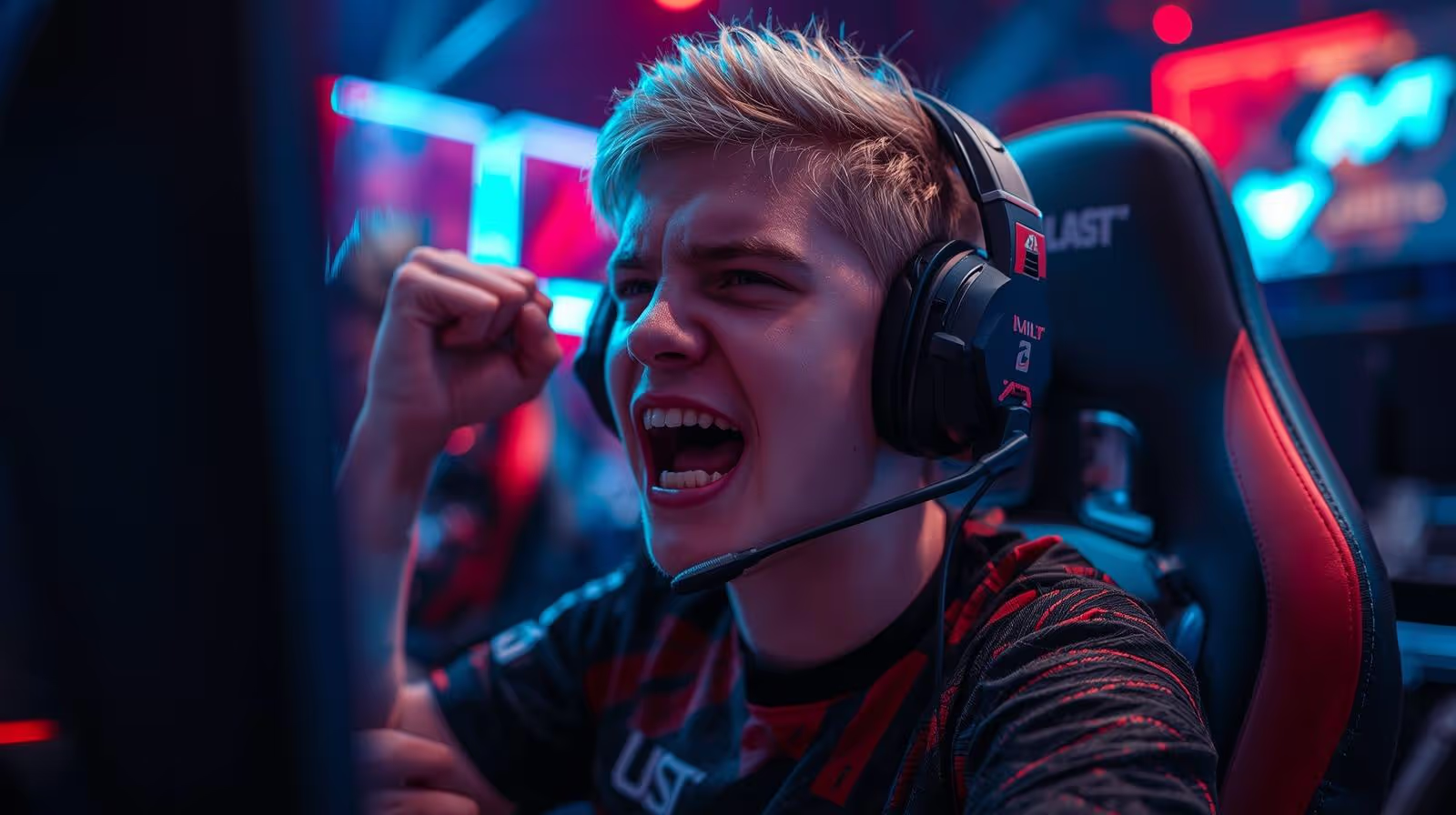

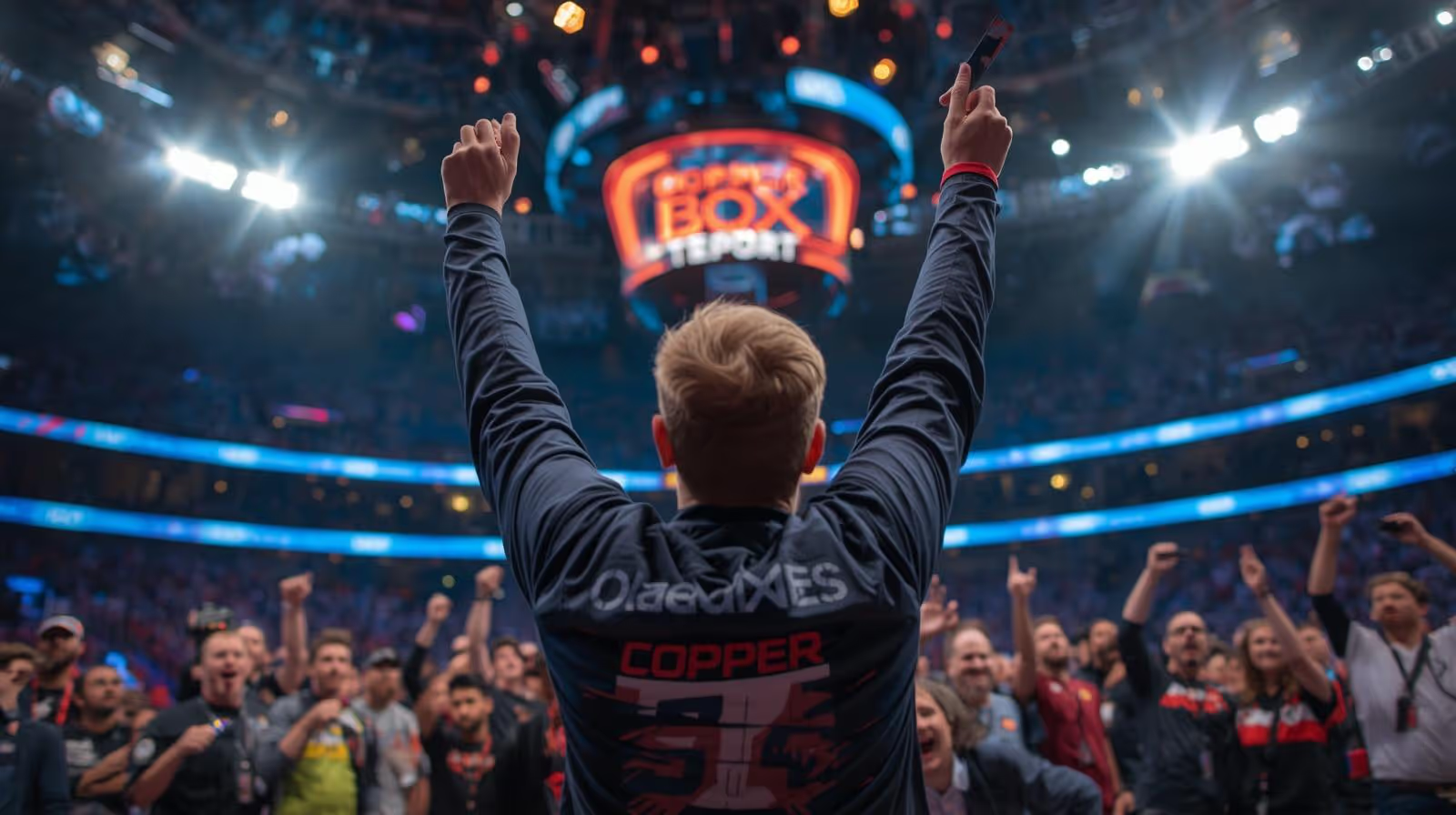

The crowd roared as the final game loaded in at the Copper Box Arena. Thousands of fans, lights in every direction, cameras locked on one name on the big screen: a simple tag that did not even belong to the player using it.
On stage, Tao adjusted his headset and took a breath. He had climbed through ranked, regionals, and long practice nights to reach this Rocket League grand final. Yet when people saw his name in the lobby, they saw his little brother’s handle instead of his own.
Why would a player give up his own identity on the biggest stage of his life? In esports, a tag is more than a nickname. It can hold years of grind, inside jokes, and promises between family members. For Tao, it carried years of bedroom coaching sessions with his younger brother, the person who had pushed him harder than anyone else.
This is the story behind that decision, the match where he carried that tag to a title, and the lessons any player with pro dreams can take from it.
How A Brother’s Tag Became A Symbol Of Family In Esports
Tao’s choice to use his brother’s tag did not start at the Copper Box Arena. It started in a small bedroom with two consoles, one shared monitor, and endless Rocket League queues.
Many players talk about “the grind,” but for these two brothers it was a shared daily routine. Tao was the older one, already playing at a near-semi-pro level. His little brother was quick, hungry, and still learning, but he had the kind of raw instinct you cannot teach.
From bedroom training partner to Rocket League prodigy
Every evening, after school and homework, the brothers would sit down side by side. Ranked queues came first. Tao would queue with his brother, then pause between games to go over what just happened.
“Why did you push there without boost?”
“Look where your third man is before you commit.”
“Watch the corner pads, not just the big boost.”
They watched replays together, pausing on small details: a missed backboard read, a double-committed aerial, a weak clear to mid. They built custom training packs and ran the same shots until they felt boring. Then they added pressure with 1v1s and small wagers, like who had to do the other’s chores.
This kind of simple, steady work is how many young esports players start. A sibling or close friend takes the game more seriously, studies pro players, and passes that knowledge on. That person might never end up on stage, but their voice sits in your head while you play.
Tao’s little brother became that voice for him, even though Tao was the better player. The younger brother watched tournaments, pointed out rotations he liked, and nagged Tao about staying consistent.
“Take a break, then queue again with a clear head.”
“Stop complaining about teammates and focus on your own touches.”
Over time, those bedroom sessions built more than mechanics. They built trust.
Why Tao chose to play under his little brother’s tag
The decision to use his brother’s tag did not come from a PR plan. It came from a quiet moment months before the Copper Box final.
The younger brother had reached a crossroads. School demands, health, and family plans made a serious push at pro play less realistic. He could still grind ranked, but the dream of walking out on stage felt far away.
Tao saw how much that hurt. This was the kid who had stayed up late watching RLCS with him, who had broken down replays and spammed him with new strategy videos. Tao knew his own rise was built on that support.
One night, while they sat in queue, Tao said, “If I ever reach a big stage, I’ll play under your tag.”
At first his brother laughed, thought it was a joke. But as Tao moved into higher-level scrims and signed with a top roster, that promise stuck. When their team finally qualified for the Copper Box Arena final, he brought it back.
Coach, teammates, and staff all asked the same thing: “Are you sure?”
Tao was sure. The tag was a quiet thank-you to his brother, a way to keep their shared dream alive.
Fans noticed. Viewers online started asking who this “new” name was on the roster. When the story came out in interviews and clips, support swelled. People love a strong mechanical player, but they remember a story that shows respect and loyalty.
What a simple name can mean in a high-pressure match
What does it feel like to see someone else’s tag over your car in a grand final? For Tao, it was a reminder.
Every time the scoreboard flashed, he saw his brother’s name and thought of the grind: open nets missed in scrims, ranked sessions on tilt, long talks about rotations and decision making. Instead of feeling alone on stage, he felt like he had his brother there with him.
A tag like that carries weight. It holds respect, pressure, and history at the same time. Many pros use handles that point to family nicknames, childhood heroes, or lost friends. When matches get tight, those little reminders can pull your mind back to why you started.
For Tao, the tag kept him grounded. Each kickoff, each big challenge, each risky air dribble came with the same quiet message in his head: “Play the right way. Play for both of us.”
Inside The Match Where Tao Carried His Brother’s Tag To Victory
Copper Box Arena has hosted some of the loudest Rocket League series ever played. The bowl of the arena traps sound and throws it back on the stage. Every goal feels twice as loud.
On finals day, the crowd was packed. Fans waved signs, phones glowed, and the caster desk sat just off to the side, cameras already rolling. For Tao, walking out in his brother’s tag meant stepping into that noise with someone else’s name on his back.
The stage, the stakes, and the pressure of a packed arena
The match was a best-of-seven grand final, with a life-changing prize pool and a title his region had chased for years. Tao’s team had fought through a brutal lower bracket, reverse-sweeping one series the day before. Fatigue was real, but adrenaline covered it.
As they lined up on stage, Tao glanced at the big screen. His brother’s name sat next to his country’s flag. Production zoomed in on their faces, and the commentators reminded viewers of the tag story.
Imagine being in that seat. You are not just playing for a trophy or a paycheck. You are playing to honor the person who believed in you when you were just a bedroom grinder.
Tao gripped his controller so tight his hands shook. Then the countdown started, and all that noise turned into background hum.
Game-changing plays with little or no boost
Across the series, Tao made some of his biggest plays on low or zero boost. To many casual viewers, those plays looked like pure magic. In reality, they came from habits drilled for years.
In one key game, their team was tied late and struggling to escape defense. Tao had almost no boost, stuck in his own corner. Instead of panicking, he used a soft touch off the wall to keep the ball close, then a single small jump to pop it over a challenge.
He grabbed a small boost pad on the way out, then another, then turned that tiny bit of energy into a booming clear and a follow-up dunk. Goal. Crowd explosion.
Anyone who plays Rocket League knows the feeling of flying around with 12 boost, hoping for a big pad. Tao showed what good boost management looks like under pressure.
Key ideas he showed in that series:
- Smart positioning so he did not waste boost recovering.
- Reading opponents early so he could pre-jump or fake challenges.
- Using small pads on rotations instead of chasing big corner boosts.
- Trusting the 50/50, staying grounded when an aerial would have been risky.
In another game, he made a zero-boost save by backflipping into his own crossbar, then followed with a perfect half-flip and challenge at midfield. Viewers clipped it as a flashy highlight, but every tiny movement came from habits built in training.
For players at home, this is the real lesson. You do not need insane mechanics to have impact. You need tight paths, smart touches, and a calm head when your boost gauge is empty.
Team trust, comms, and clutch moments under his brother’s name
Tao did not win that trophy alone. His teammates trusted him, fed him the ball, and covered his back when plays failed.
On voice comms, they stayed sharp but simple. Short calls like “I got,” “leave,” “bump,” and “mid now” kept everyone locked in. In clutch situations, they gave Tao space.
“Play your game.”
“Take the time, we’re covering net.”
“We trust you, go for it.”
What started as a personal tribute tag turned into a rally point for the whole roster. The guys joked that they were all playing “for the little bro” now. When they scored, they yelled his tag. When they defended a tight lead, they repeated it like a mantra between games.
Even the coach leaned into it. Between maps, he reminded them that this was not just about shutting down the other team. It was about finishing the story they had started in that small bedroom.
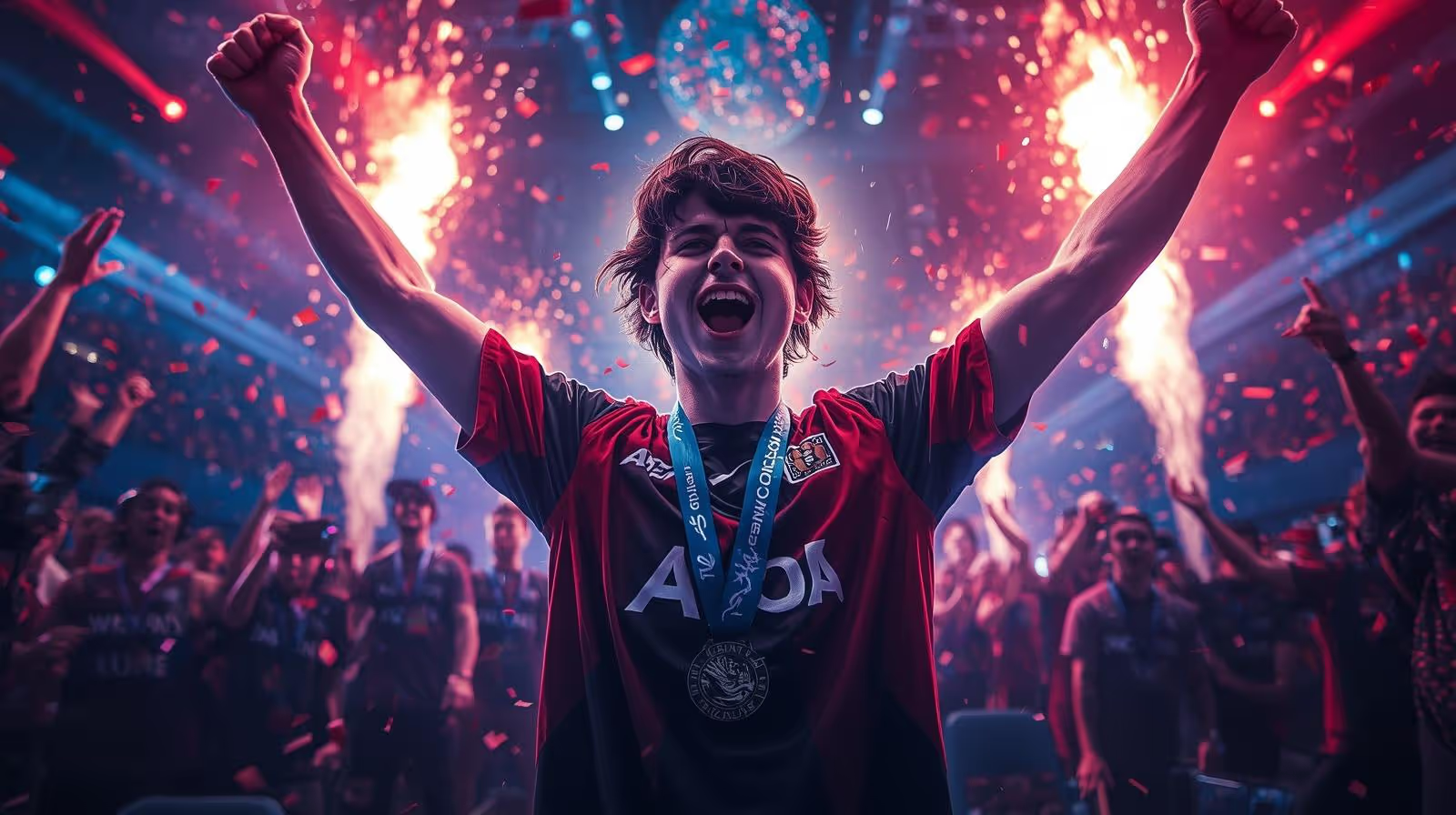
The final goal of the series came on a simple play: soft pass to mid, Tao up early, controlled double tap off the backboard. No freestyle, no wild air roll, just clean fundamentals. The ball hit the net, the buzzer sounded, and the Copper Box crowd rose to its feet.
On the scoreboard, his brother’s tag glowed at the top.
What Tao’s Story Teaches Every Aspiring Esports Player
Stories like this hit home because they feel close to how many careers actually start. Not in big org facilities, but in messy bedrooms, on second-hand gear, with someone nearby who believes in you even more than you believe in yourself.
Tao’s journey with his brother offers clear lessons for any young player, coach, or parent who cares about esports.
Why strong support at home can shape a future pro
Tao did not climb alone. His brother’s belief gave him a head start and kept him in line when things got rough.
Support at home does not have to mean buying the best PC or paying for private coaches. It can look like:
- A sibling who runs replays with you instead of flaming you.
- A parent who sets fair time limits but respects scrim schedules.
- A friend who watches your matches and gives honest feedback.
Good support mixes tough love with real care. It says, “You can do better,” but also, “I’m proud of how far you’ve come.” For parents and siblings, a few simple habits help:
- Ask what the player is working on, not just how many hours they spend.
- Help them set rest days and stick to them.
- Encourage school and backup plans so the game does not become their only identity.
When a young player knows that home is a safe base, pressure on stage feels easier to handle.
Turning hard training into calm play on stage
Tao and his brother trained together for years. By the time he reached Copper Box Arena, many situations on stage felt like repeats of bedroom sessions.
Deep practice creates two big benefits: muscle memory and mental space. When your fingers know what to do without thinking, your brain is free to read the field and stay calm.
You can use the same approach, even at a lower rank. Simple practice ideas:
- Focus blocks: play ranked for 60 minutes, full focus, then take a short break.
- Replay sessions: review one or two replays after each block, look for only one habit to fix.
- Partner reviews: hop on a call with a friend or local coach, watch each other’s replays, and trade feedback.
Instead of chasing fancy clips, build consistency. The more boring your practice looks from the outside, the more stable you will feel when the crowd is loud and everything is on the line.
Respecting the people who helped you climb the ranks
The most powerful part of Tao’s story is not the trophy. It is the way he chose to thank his brother.
Gratitude in esports often gets less attention than mechanics, but it keeps players grounded and healthy over the long run. Simple ways to show respect:
- Give shoutouts to coaches, siblings, and early teammates on stream or social.
- Share part of your winnings with people who supported you before sponsors did.
- Mentor younger players from your region, even once a month.
- Play under a special tag in an event or online qualifier, the way Tao did.
When you remember who helped you, pressure feels different. You are not just trying to “prove yourself” to random viewers. You are trying to play in a way that would make your people proud.
That mindset protects you from ego and from burnout. You stay connected to the joy of the game, not just the grind of results.
Conclusion
In the end, the image that sticks is simple: Tao holding a controller on the Copper Box Arena stage, his little brother’s tag glowing on the screen, tears in both of their eyes when it is over.
His story shows how family, support, and pressure can mix into something powerful in esports. A name above your car is not just text; it can carry years of coaching, sacrifice, and belief. When that meaning is strong, it turns fear into focus.
The next time you queue for ranked or play a local event, ask yourself who you are really playing for. A friend, a sibling, a coach, or even your past self, that answer can become your anchor when the match is tight and your heart is racing. Choose a tag, or a story behind it, that you would be proud to carry into your own biggest game.