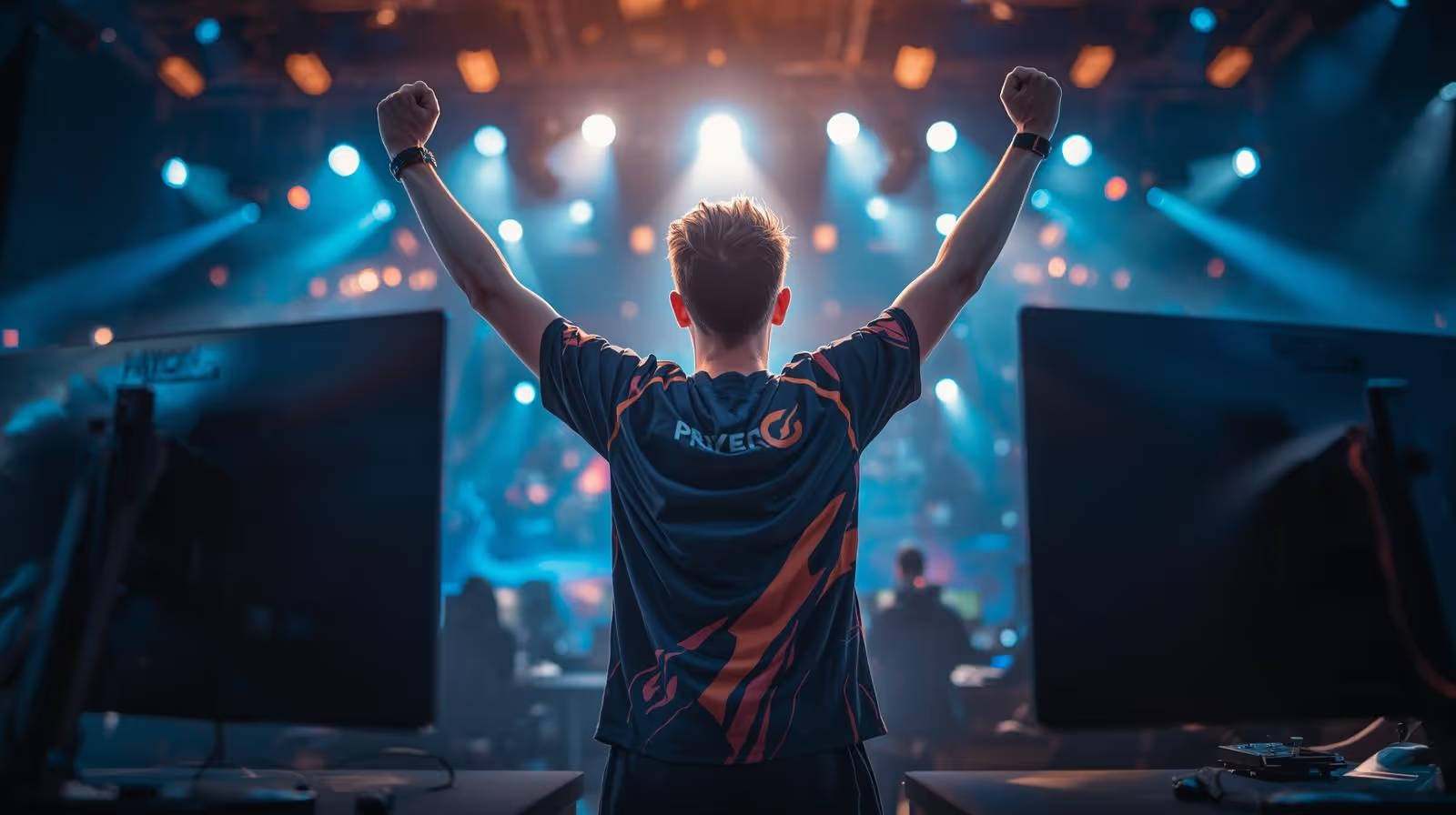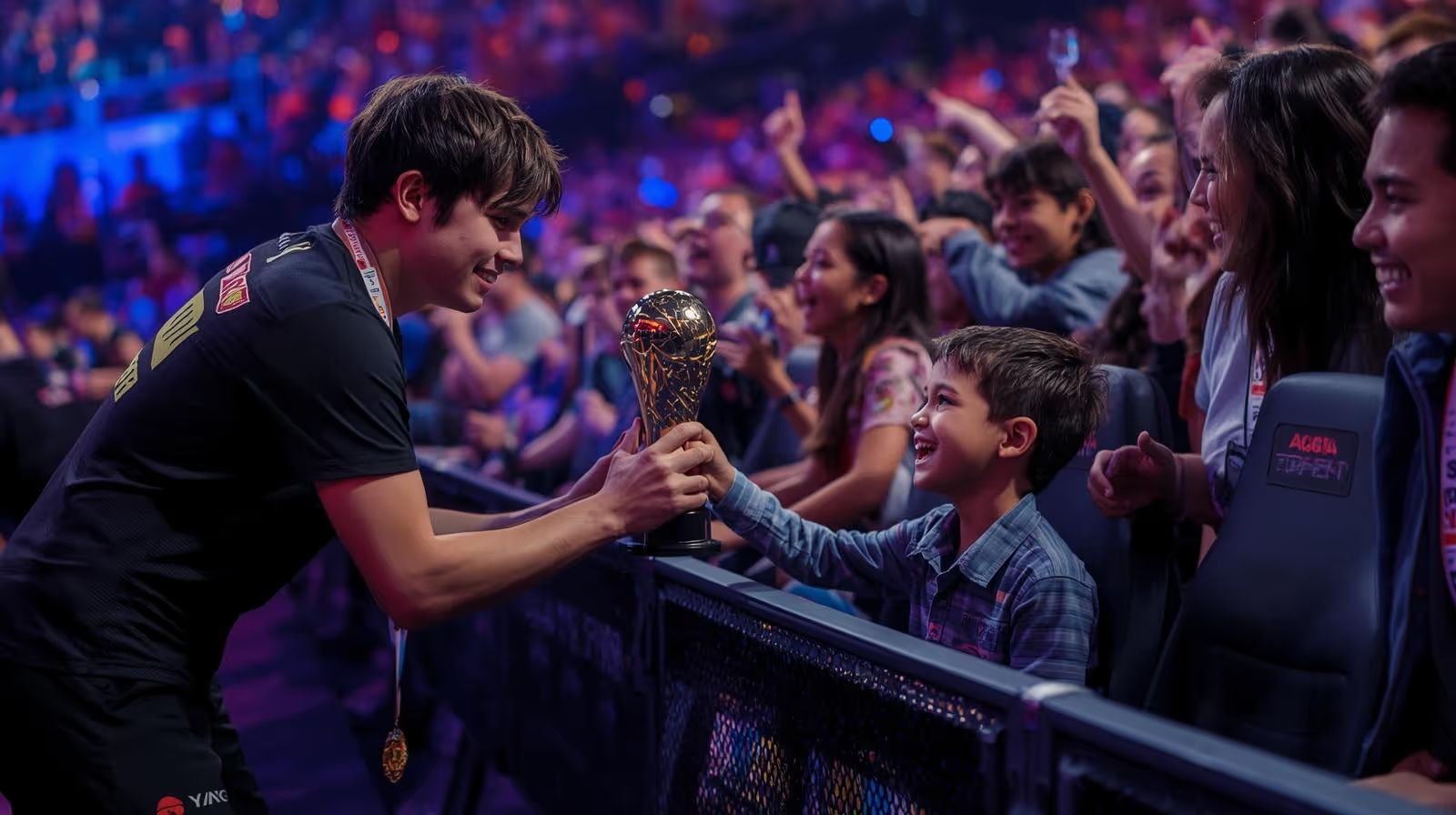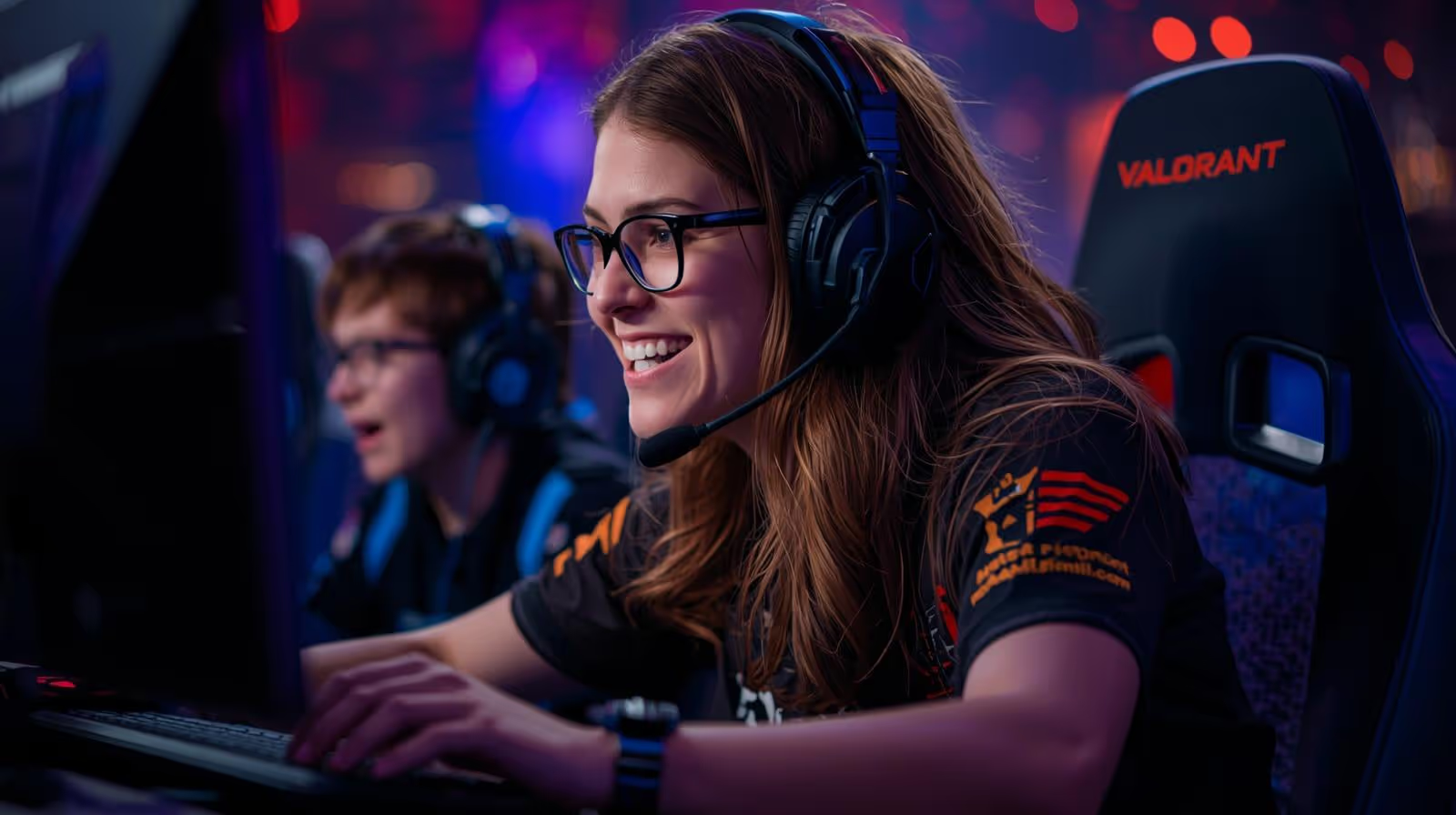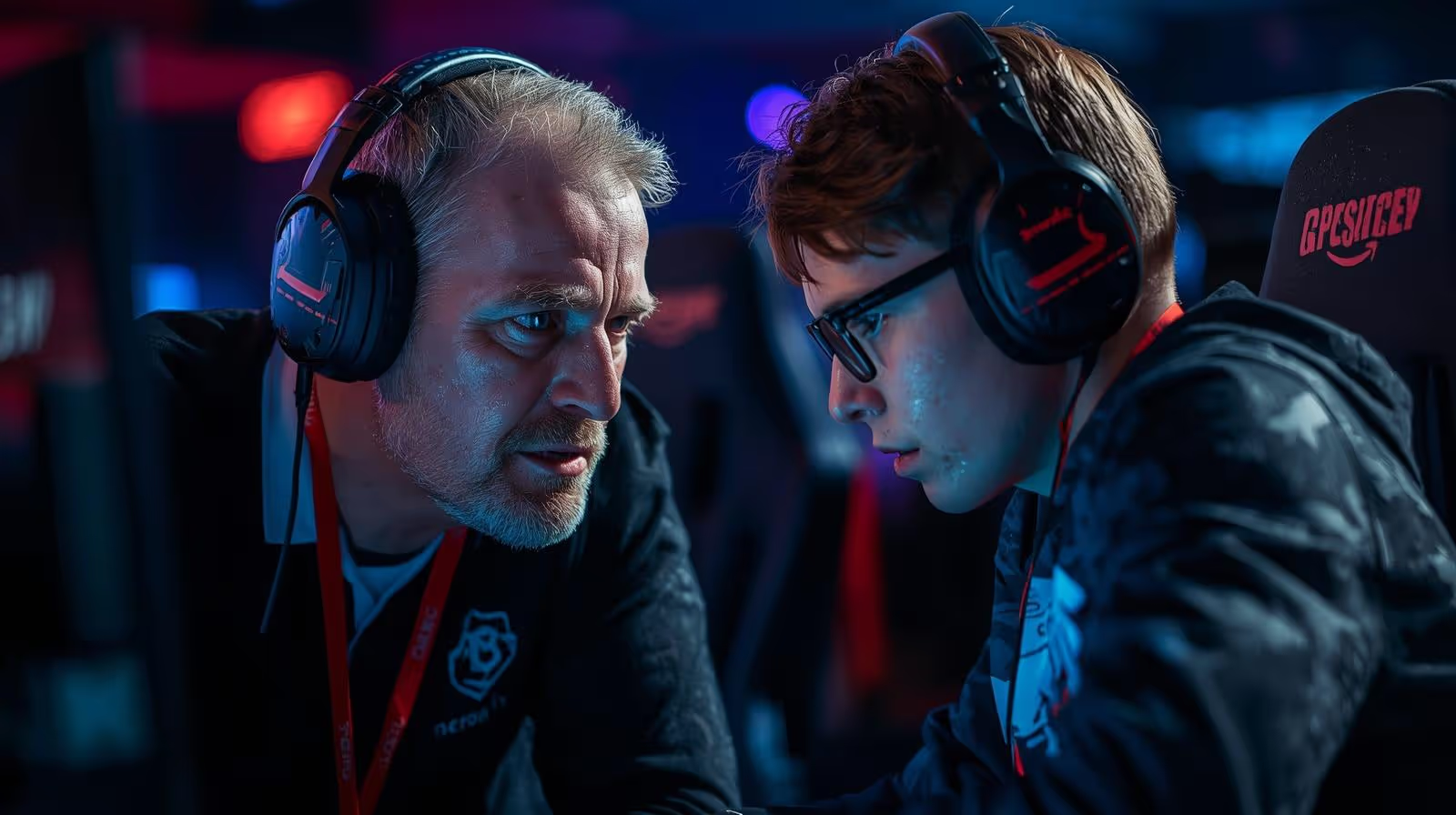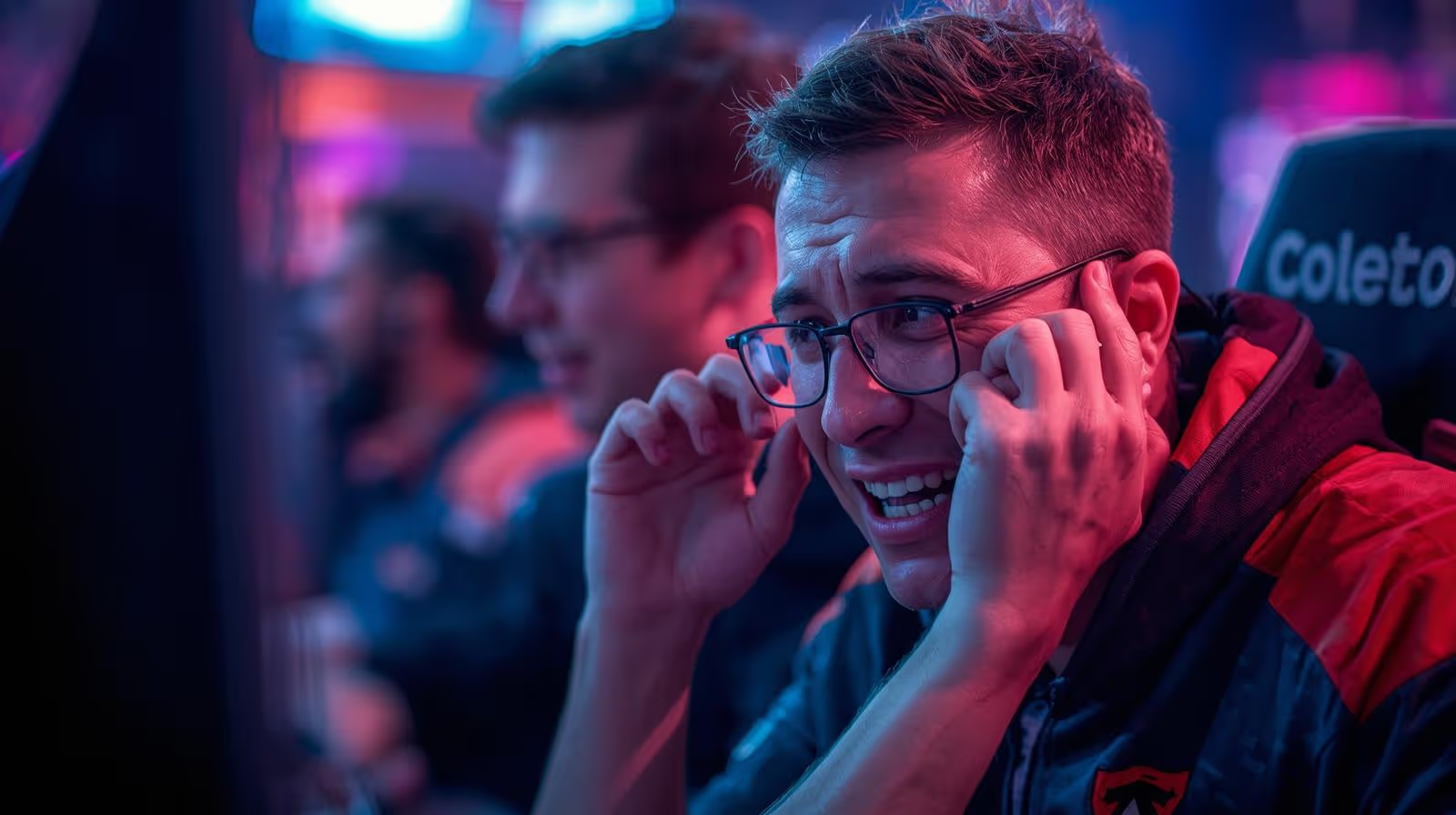

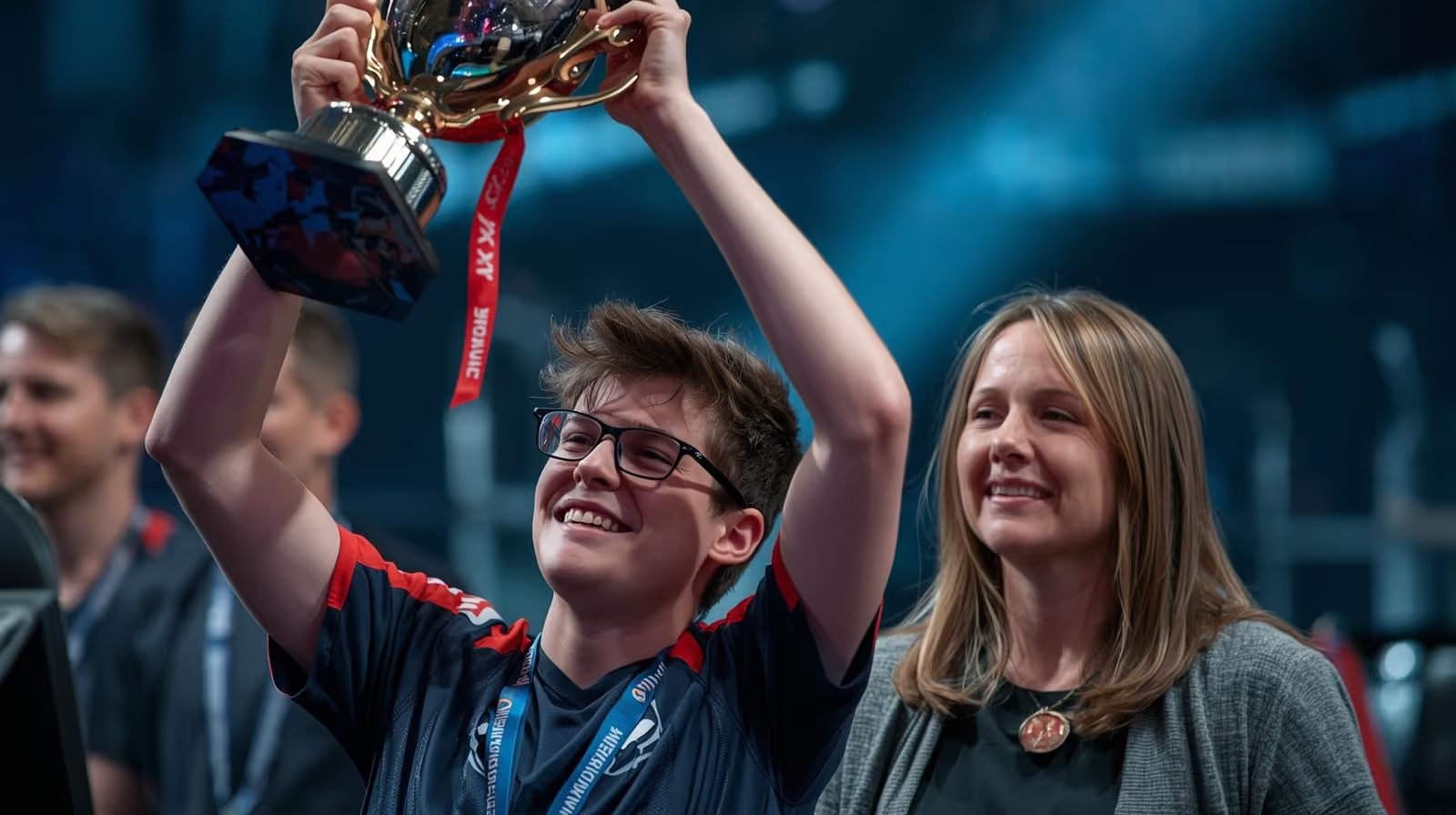

The arena lights hit like a sunrise. The crowd roared, camera flashes popped, and a giant screen showed one thing: a skinny 17-year-old rookie holding a trophy almost as big as his torso.
His hands shook. His headset rested around his neck. Confetti stuck to his hair. Below the stage, a small figure with a handmade sign and tired eyes tilted up to look at him.
His mom.
She had watched from the stands, clutching a foam finger and her phone, heart pounding at every teamfight and clutch duel. When he finally lifted that silver trophy, years of doubt and late-night arguments smacked into one loud, bright moment. Her face crumpled. She covered her mouth. She cried in front of millions.
Stories like this echo the lives of real esports prodigies, from battle royale champions to shooter and MOBA rookies. This one could belong to any of them. Or to the kid in your city, playing on a second-hand PC right now.
Behind that single screenshot of a rookie and his mom lives a long road of practice, pressure, and quiet family support. The story did not start under stage lights. It started in a bedroom.
Esports may look like fun and reaction clips, but for this family, it became something much heavier and more real.
From Bedroom Setup to Bright Stage Lights: How a Rookie Built His Shot
Every trophy day in esports begins with a simple setup at home. For this rookie, it was a wobbly desk, a faded mousepad, and an old PC that whirred like a small engine.
He did not grow up in a training facility or gaming house. He grew up in a small apartment with thin walls, a single mom, and a cheap internet plan that sometimes cut out during storms.
Online, he climbed.
A Quiet Kid With a Big Dream and a Cheap Headset
At school he barely spoke. At home, his world came alive when he booted up his favorite title, a fast-paced mix of strategy and aim that ranked players on a public ladder for everyone to see.
He finished homework at the kitchen table while his mom cleaned up from a long shift. Then he slipped into his room, pulled on a budget headset that pinched his ears, and queued into ranked.
His ping spiked at the worst times. The old monitor had a slight blur when things moved too fast. He missed shots because of tiny stutters, not just nerves. Yet he kept queuing.
He watched pro streams and tournament VODs on a small second screen. He paused, rewound, and scribbled notes in a school notebook.
Why did this pro rotate early toward high ground?
Why did that support player hold a key spell for so long?
He copied pro keybinds and mouse sensitivity. He tried their crosshair colors. He paid attention to how often they checked the map, when they took fights, and when they backed off.
He was not waiting for magic talent to kick in. He was building habits, one long night at a time.
Grinding Ranked, Missing Parties, Chasing the Leaderboard
Soon, ranked matches were not enough. He made a warm-up routine: aim trainer drills, movement practice, and ten minutes of custom games. He tracked his stats in a spreadsheet. He treated each session like a scrim block.
Invites to parties and hangouts started to feel like distractions. Friends sent late-night messages:
“Hop on this other game, just for fun?”
He answered, “Can’t. Tourney tomorrow. Need to sleep.”
Some classmates laughed when they heard how many hours he played.
“You really think you’ll go pro?”
“You’re just sitting in your room with cartoons.”
He felt the sting, but he queued again.
His mom noticed his door stayed shut longer. She saw the blue light glowing under the crack at midnight, and sometimes at two or three in the morning.
She worried about grades. She worried about his back and his eyes. She also saw something else: he was setting alarms, managing scrim times across time zones, and turning down instant pleasures for long-term goals.
Report cards were still good, not perfect but steady. When she knocked and told him to sleep, he argued sometimes, then sighed, logged off, and crawled into bed.
In quiet moments, she asked herself a hard question. Was she supporting a dream, or feeding an addiction? She did not know yet.
The First Big Break: Qualifier Runs That Changed Everything
His path to the trophy began with online qualifiers, open events where anyone could join, play a set number of matches, and earn points. Top point totals moved on.
Simple idea. Brutal in practice.
On one big qualifier weekend, he stacked snack wrappers beside his keyboard and lined up water bottles across his desk. He queued with his small team, a group of friends he met on a Discord server.
Game after game, they built points. Some wins were clean. Others looked lost until a late clutch or lucky circle helped them out.
In the final match, they needed one more strong finish. If they failed, they would fall just below the cut line and wait months for another shot.
They landed in a contested zone. Early fights broke out. Two teammates fell. It came down to him, low on health, boxed in, with chat spamming messages and his heart pounding so hard his mouse shook.
He made a bold play, rotated through a blind spot, and picked off a rival squad that never saw him coming. The casters, broadcasting from far away, shouted his gamer tag as he secured key points at the last second.
In the hallway, his mom stood frozen, listening to his muffled shouts. When he won that final fight, he screamed so loud a neighbor knocked on the wall.
He slid out of his chair onto the floor, headset flying, hands over his face.
His mom opened the door, scared something was wrong. He looked up at her with tears in his eyes and said, “We qualified. For the big one. The real one.”
Prize pools were big enough to cover bills and more. Travel, hotel, a player contract. For the first time, his mom did not see “just a hobby.” She saw a path.
Inside the Grand Finals: Nerves, Team Comms, and a Rookie on the Main Stage
By the time finals day came, he had flown on a plane, checked into a team hotel, and picked up a jersey with his tag on the back.
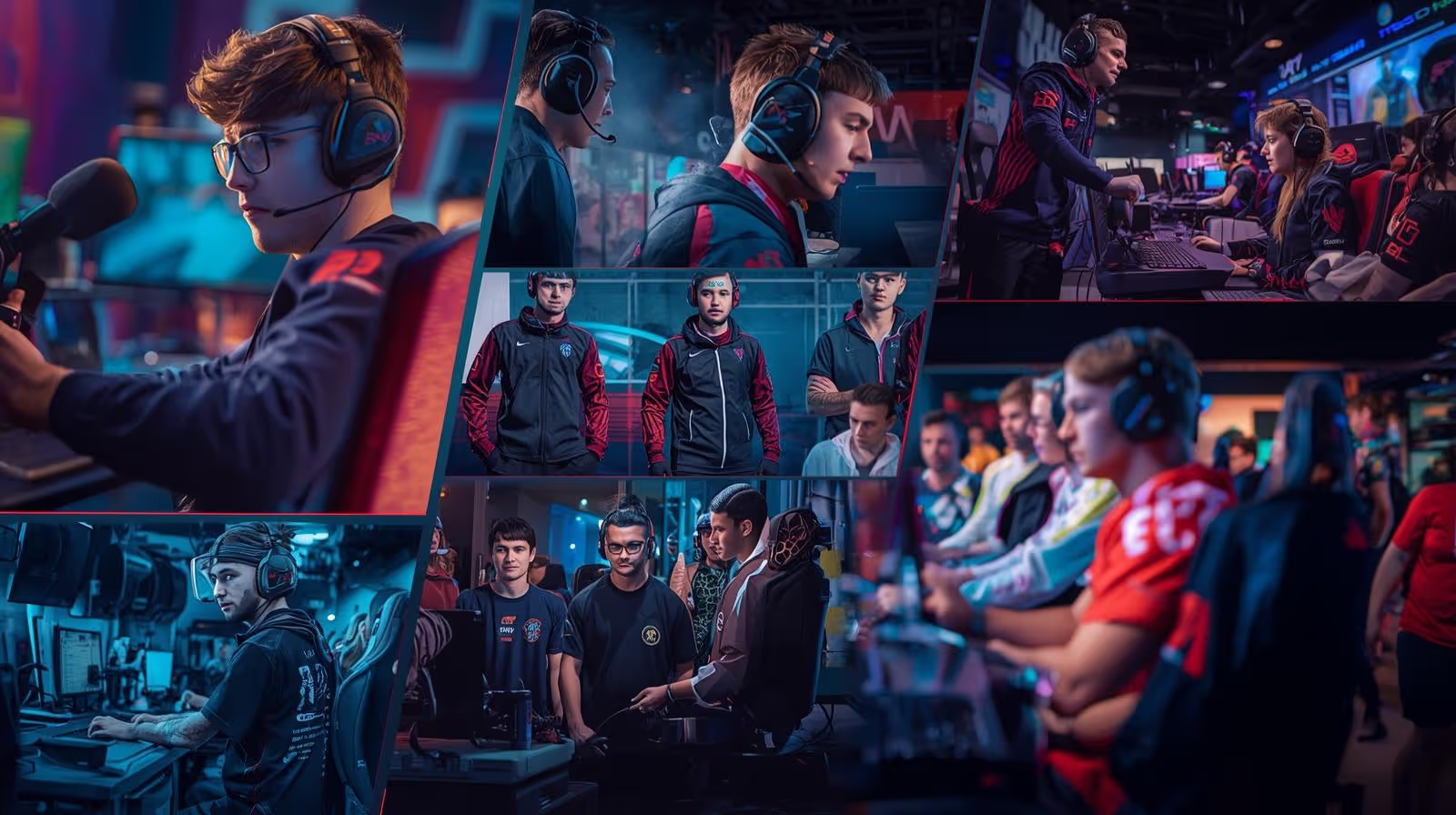
The arena felt different from any LAN he had ever played. Banners hung from the rafters. Fans in cosplay posed for photos near sponsor booths. Massive screens showed highlights of his plays from qualifiers.
His mom walked beside him, clutching her badge like it might vanish.
Arriving at the Arena With His Mom Watching From the Stands
They passed security checkpoints and metal detectors. Staff checked his gear and gave him a player wristband. Volunteers handed his mom a ticket and pointed her toward the stands.
She wore a hoodie with his tag printed across the chest. It looked a bit too big on her. She did not care.
On the concourse, she saw posters of star veterans. Some had been pros since before her son entered middle school. Now his face appeared in smaller graphics on LED walls, labeled “rookie to watch.”
She remembered him as a toddler with a toy controller, hands too small to reach all the buttons. Now he was walking away from her, heading through a “Players Only” door.
He turned, gave a small wave, and smiled. She smiled back, blinked fast, and found her seat among thousands of fans.
From Warm-Up Lobby to First Fight: When Nerves Turn Into Focus
Backstage, he entered the practice room. Rows of PCs, glowing keyboards, and water bottles waited. His teammates joked to hide their nerves.
He put on his headset, opened an aim trainer, and started his warm-up.
Flicks. Tracking. Recoil control.
He stretched his fingers and rolled his shoulders.
When they walked onto the main stage, the sound hit him like a wave. He saw lights, cameras, crowd signs with his name, and one familiar face in the lower stands, already recording on her phone.
The first map started rough. His hands felt heavy. He missed a simple shot. He mistimed a movement and cost his team a trade.
He took a breath, stared at the minimap, and listened to his in-game leader.
“Reset. Play our plan. You know this.”
He forced his mind back to small tasks: check angles, track cooldowns, communicate clearly. In comms he called rotations, timers, and enemy positions in short, sharp phrases.
The crowd gasped when he outplayed a star veteran in a duel. They chanted after a clean retake where he anchored the final hold. In that moment, he stopped feeling like a fan lucky to be here. He started to feel like a pro who deserved his spot.
The Clutch Moment That Sealed the Trophy
The series went the distance. Final map, final round, everything on the line.
His team held a slim lead on the scoreboard. Win this, they take the trophy. Lose, they risk a comeback they might never forget.
He sat on low health behind a thin piece of cover. Two opponents hunted him. If they took him out, they would break his team’s setup and flood the objective.
He had one tool left: perfect timing.
He waited a heartbeat longer than felt safe, peeked at the exact moment the first opponent looked away, and landed a clean shot. He slid behind new cover, juked the second player with a quick strafe, and finished the fight with almost no health bar showing.
The casters screamed his name. The arena roared so loud his mom could not hear herself shout.
Cameras cut to her in the stands, hands over her mouth, tears already forming. On the main screen, the scoreboard locked in their win. Confetti cannons fired. His teammates jumped up from their chairs, knocking over water bottles and chairs.
He had done it. The rookie had sealed the trophy.
Why His Mom Broke Down in Tears When He Lifted the Esports Trophy
On broadcasts, the trophy lift looks like a clean, simple celebration. For his mom, it carried years of late nights, worries, and arguments inside a single blur of silver and light.
She did not cry only because he won. She cried because of everything behind that moment.
Years of Worry, Arguments, and Late-Night Lights Finally Made Sense
She remembered standing in his doorway at two in the morning, telling him, “You have school. Turn it off.” He would beg for one more scrim, promising it mattered.
She remembered teachers hinting that his focus had slipped. Relatives joked at family dinners.
“So, still letting him play those games all night?”
“They don’t give trophies for that, you know.”
She tried to set rules. Grades first, sleep at a decent hour, breaks away from the screen. They argued. Sometimes he slammed his mouse. Sometimes she cried alone in the kitchen, wondering if she was failing him.
Now, under the lights, thousands of people chanted his gamer tag. Sponsors flashed logos beside his highlights. Analysts praised his discipline and “mature decision-making.”
For her, those words translated to all the nights he chose practice over going out, all the times he walked away from drama to focus on his team.
When she saw him hold that trophy, every report card, every lecture about balance, and every doubt settled into a simple thought: it all meant something.
When the Rookie Hugged His Mom on Stage and Cameras Caught Everything
After the trophy lift, staff guided the team to the front of the stage. Cameras swarmed them. Interviewers asked about key plays and mental strength.
He answered politely, still in shock. Then he looked out toward the stands, searching.
He spotted his mom, still clutching her phone, eyes red, trying to wave and wipe her face at the same time. He grabbed the mic and said, “Can my mom come up?”
The host laughed and nodded. Security helped her to the stairs. She walked quickly, almost running but careful not to trip in front of the cameras.
On stage, he wrapped her in a hug, trophy still in his hand, confetti still falling. For a second, he was not a star rookie or a stat line. He was just her kid again, shaking in her arms.
Production crews loved it. Clips of crying parents in esports always spread fast. Social media cut the hug into short videos, captioned with lines about dreams, sacrifice, and belief.
For them, it was a great moment. For her, it was the first time she felt fully at peace with all the choices they had made.
What That Win Meant for Their Future Beyond the Prize Money
The prize money would help with rent, debt, maybe even a better place to live. Sponsors sent emails. Teams reached out. Interview requests filled his schedule.
Yet, in the quiet after the show, in the hotel room with the trophy sitting on a chair, the win meant something deeper.
It proved his work mattered in a clear way. It gave them both new confidence to talk about his future, not as a wild fantasy but as a real career.
They talked about tutors and online classes to keep his education strong. They discussed hiring a sports psychologist to help him handle pressure. His mom promised to protect his time, to say no to unreasonable media days, to insist on sleep and real meals.
She did not see herself as a “stage mom.” She saw herself as a shield.
What Young Esports Players and Parents Can Learn From a Rookie’s Trophy Day
This story might sound like a fairy tale. Most kids will never hold a major trophy. That does not mean there is nothing to learn from this rookie and his mom.
Their path shows what can happen when skill, structure, and support line up.
Tips for Young Players Who Dream of Their Own Trophy Moment
If you are a teen player with big dreams, start with habits, not highlight clips.
Keep a regular practice schedule that fits around school. Use warm-ups, ranked play, and review sessions instead of just grinding without a plan. Save VODs of your matches, watch them back, and write down mistakes and fixes.
Protect your sleep, your hands, and your mind. Take breaks. Stretch. Walk outside once in a while. Trophies are built on thousands of boring, consistent hours, not just a few viral plays.
Learn to handle loss without throwing your keyboard. Mute toxic chat. Use social media with limits. Ask older players or coaches for feedback and accept that criticism hurts, but helps.
Most of all, talk honestly with your parents about your goals. Surprises make trust harder.
How Parents Can Support Esports Without Losing Sleep Over It
If you are a parent, you do not have to love games to support your child in a healthy way.
Ask simple questions. What is the game mode? How do tournaments work? Who are your teammates? You don’t need to know every detail, just enough to follow what matters.
Set clear rules: grades stay above a certain level, bedtime is firm, and big events are planned in advance. Ask to see practice schedules or Discords for serious teams. If an organization offers a contract, read everything and search for outside advice.
Watch matches together. Learn a few basic terms so you can cheer. That shared interest builds trust and makes later hard talks easier.
A healthy deal at home might sound like this: “We will support travel to events and practice time if you keep your school plan strong, stay kind online, and listen when your body or mind needs rest.”
Keeping Perspective When the Arena Lights Go Dark
Even for champions, the arena lights always go dark. Trophies gather dust. New rookies appear.
Careers can be short. Burnout, wrist issues, and mental fatigue hit many players. That is why backup skills and plans are not just smart, they are necessary.
Streaming, content work, coaching, coding, design, or another field can grow beside a pro path. School does not have to be perfect, but it should stay active enough that doors remain open.
Picture the rookie and his mom on the flight home after the win. The trophy rests in an overhead bin. He scrolls through messages and memes. She leans back, eyes closed, finally breathing normally again.
They talk quietly about what comes next. More events, more pressure, more chances to fail or shine. Under all that, they know the most important part is still the same: how they treat each other when the screen is off.
Conclusion
A 17-year-old rookie lifting a giant esports trophy while his mom cries below the stage is more than a feel-good clip. It is the final frame of a long story that started with a shaky desk, a cheap headset, and a kid who chose routine over comfort.
From bedroom setup to bright arena lights, every step of his path carried real work, real sacrifice, and real risk. His mom’s tears held years of worry, late-night talks, and the stubborn decision to believe in her child even when others mocked the idea.
Esports is not just “kids playing games.” It is practice, pressure, and family choices wrapped around a screen. The money and fame may fade, but the shared memory of that trophy moment will stay with them forever, as proof that their effort counted for something real.
Whether you are a player or a parent, the core question sits quietly behind all the noise: what would your own version of that trophy moment look like, even if it happens in a small living room and not under arena lights? However you answer, the journey will always matter more than the confetti.