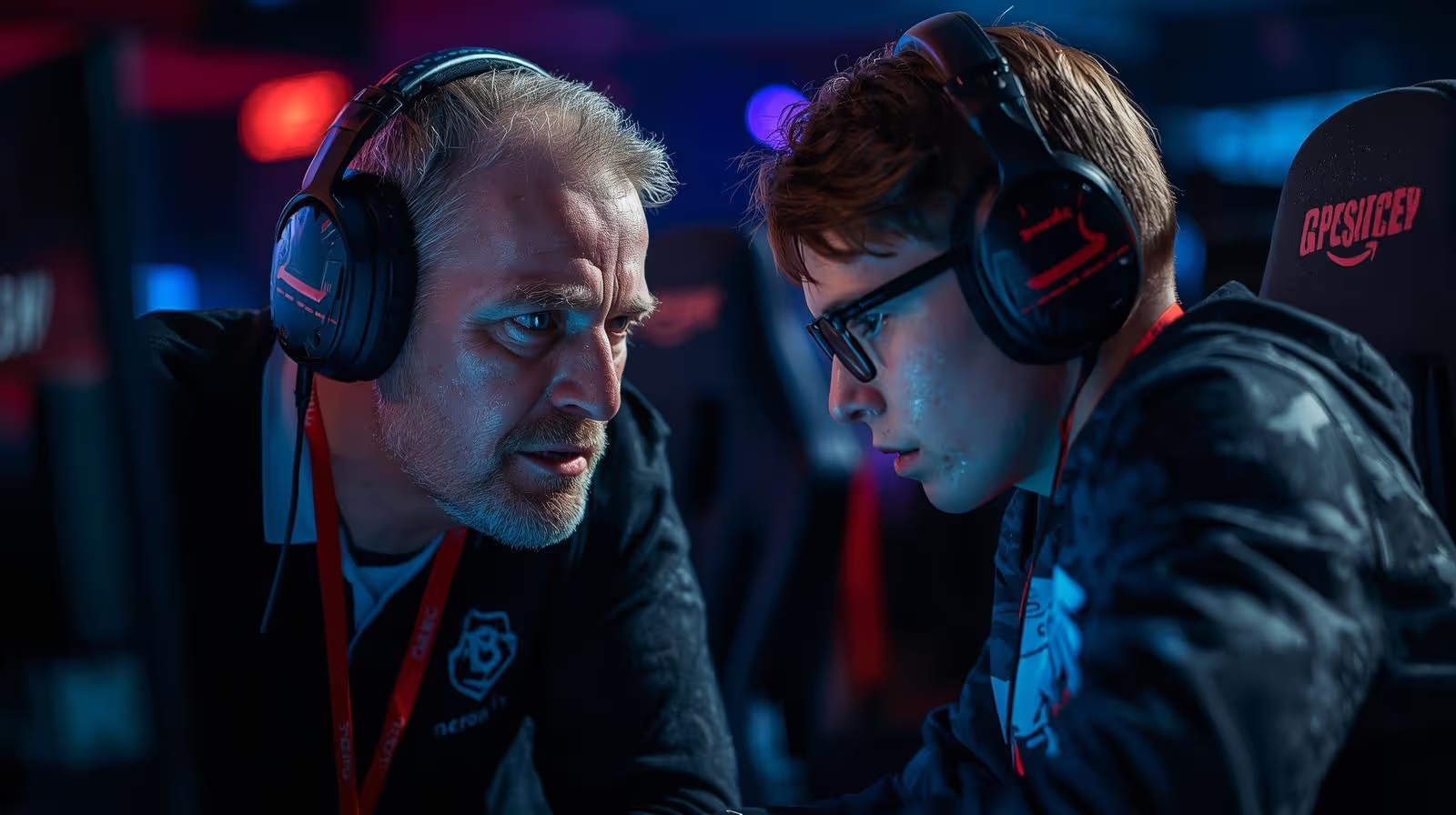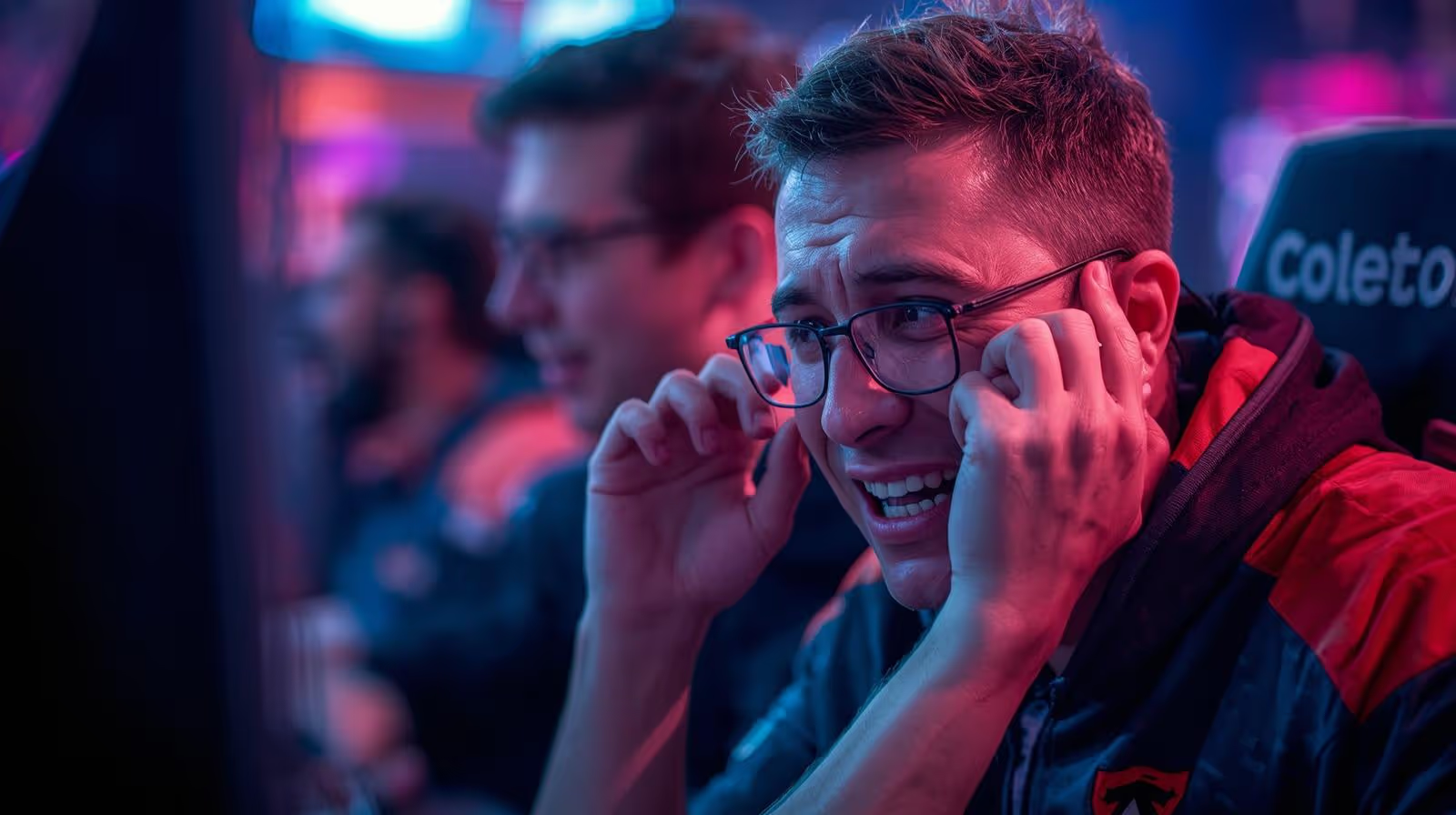

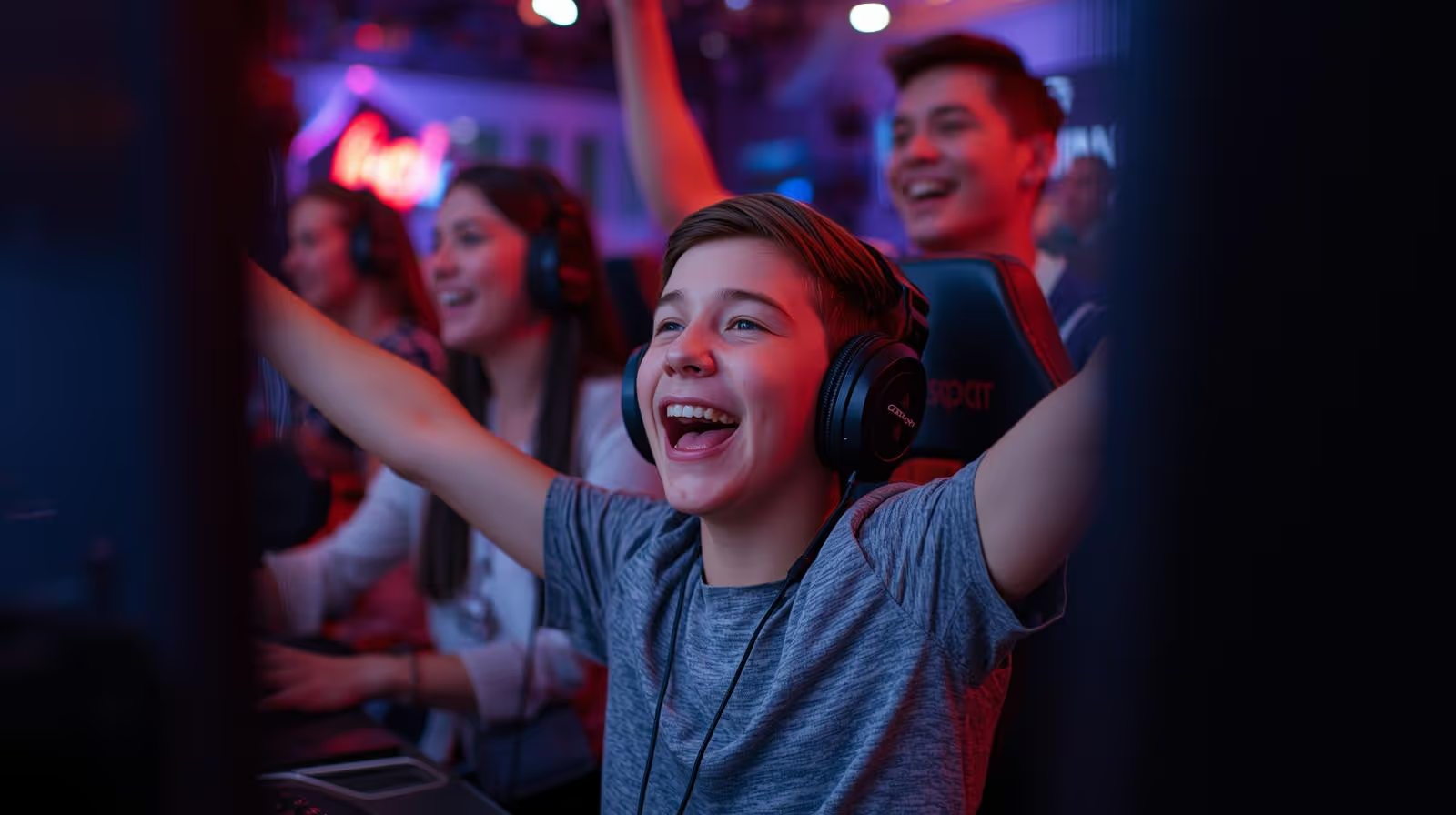

Alex “BlitzKid” Rivera used to be just a quiet teen from Seattle with a headset on and his bedroom door half closed. To his parents, Maria and Javier, it looked like he was “just playing games” after homework. They heard clicking, shouting, and the occasional victory yell through the wall.
Then came StormForge, a fast 5v5 arena game, and an invite that would flip everything. Alex qualified for his first big LAN in Seoul, a live in-person tournament where players compete on stage in front of a crowd instead of from their bedrooms.
Maria and Javier sold their old car, pulled from their savings, and bought three plane tickets. Why would parents spend that much to watch their kid play a video game? Because they realized it was more than that. It was his first real shot at something he had worked for, every single night.
How One Teen Turned Bedroom Gaming Into a Global LAN Stage
Behind every “overnight success” in esports, there are years of small, boring habits. Alex’s story is no different, and that is what makes it powerful.
From Late Night Matches to a Shot at StormForge Glory
Alex started StormForge like most kids do, queuing up with friends after school. Over time, he stopped treating it like a casual hobby and started treating it like a sport.
He set practice blocks: aim training before dinner, scrims with his squad after homework, then short VOD reviews before bed. He tracked his mistakes, clipped his fights, and watched top players to copy better rotations and ability timing.
At school, he squeezed in leaderboard checks between classes. At home, he stuck to a schedule so his grades stayed steady. When his friends logged off, he stayed for “one more scrim” that turned into three. That quiet grind is what turned his room into a training ground instead of just a place to chill.
Qualifying Online for a Global Gaming Clash in Seoul
StormForge announced the Global Gaming Clash, a massive event in Seoul with the best teams from around the world. The path in was simple on paper: online qualifiers and leaderboards. In reality, it was brutal.
A qualifier is just a tournament where hundreds of teams fight through brackets. Lose and you drop out. Win and you move on until only a few squads earn the invite. Alex’s team had to win a string of best-of series against teams that had been around far longer.
They played weekend qualifiers while their classmates went out. They studied the bracket to know who they might face next. When they finally locked in their spot, Alex stared at the email three times before showing his parents. His first LAN, first time on stage, first time in front of cameras and a live crowd. The game suddenly felt bigger than his bedroom.
What Makes a First LAN So Different From Playing at Home
At home, you play in a hoodie, maybe with socks on, in a chair that squeaks. The only sound is your Discord call and maybe your parents asking if you want pizza.
At a LAN, it is nothing like that. There are bright lights, loud music, your team lined up on stage with your names on screens three stories high. The PCs are on a local network, so there is almost no ping. Every click is instant. Every mistake is public.
You look up and see thousands of faces staring at your screen. You hear the crowd gasp when you almost get picked, or roar when you clutch. For a player, the pressure spikes. For a family in the stands, the stakes feel sky-high, even if they still barely understand the game.
Parents Who Flew Halfway Around the World for Their Kid’s First LAN Win
Maria and Javier never planned to be “esports parents.” They grew into it one choice at a time.
Selling a Car and Cashing Savings to Chase a Gaming Dream
When Alex showed them the invite to Seoul, they looked at the numbers first. Flights, hotel, food, local travel. It was a lot. The easy answer would have been “we can’t afford it.”
Instead, they sold their older car and dipped into savings they had set aside for “future stuff” that did not have a name yet. They decided that this moment did: their son’s first big LAN.
They did not see it as buying a trip. They saw it as buying time together, memories they could not replay later like a VOD. “Cars can be replaced,” Maria told a friend. “Your kid’s first stage can’t.”
A 14-Hour Flight, Jet Lag, and Parents Learning Esports Lingo
The flight from Seattle to Seoul was long, cramped, and full of questions. Javier, a taxi driver who had never played anything more complex than mobile solitaire, sat with a notebook.
“What is an ult again?” he asked. “Why do casters shout ‘clutch’ so much?”
Alex pulled up old VODs on the in-flight screen and broke down plays like a coach. He paused to explain cooldowns, roles, and why his job on the team mattered. Maria did not catch every detail, but she saw how serious his face got when he talked about team comms and strategy.
They landed tired, a bit overloaded from the culture shock, but now they had at least enough esports lingo to cheer without feeling lost.
Sitting in a Packed Arena, Cheering Like It Is the World Cup
On finals day, the Seoul arena felt like a storm of lights and bass. Ten thousand fans, foam sticks, chants in different languages, and massive screens hanging over the stage. If you have never been to a LAN, imagine the energy of a soccer final swapped with keyboards and headsets.
Maria clutched a homemade “Go BlitzKid” sign. Javier wore the team hoodie even though he was still getting used to the name. Every time Alex’s face showed up on the screen, their section screamed like he had just scored a penalty.
They flinched at every near miss, held their breath during timeouts, and grabbed each other’s hands during match point. The game might as well have been the World Cup to them. Their kid was on that stage.
The 1v3 Clutch, Tears on Stage, and a Viral Esports Moment
In the grand final, Alex’s team went down 1 to 2 in the series. Lose the next map and it was over. Late in the last round, four teammates fell. Alex was alone in a 1v3.
He popped his StormForge ultimate at the perfect second, used a wall to cut vision, and picked off two players before flicking to the last. His screen lit up with “TRIPLE STRIKE.” The arena exploded. The casters yelled his name as if he had just hit a game-winning buzzer beater.
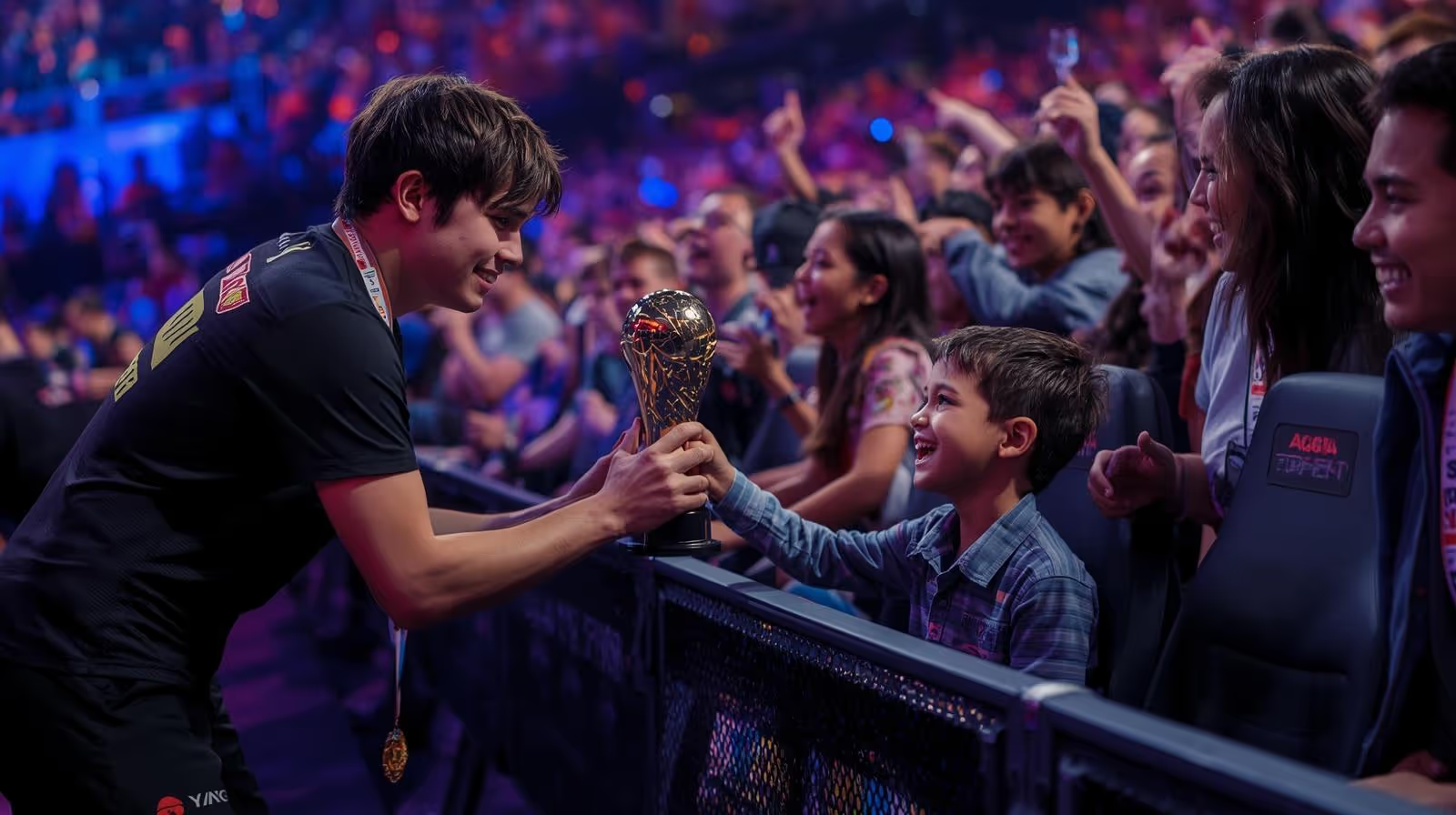
When they finally closed out the series, Alex stood up shaking. Maria and Javier rushed down with other families, security waving them through when the team pointed them out. On stage, they hugged in a tight knot, all three of them crying under the lights.
A camera caught Javier kissing Alex’s forehead, whispering something in Spanish, and that clip hit social media within hours. Millions watched. Big names in esports reposted it with captions about family and support. Is this the kind of moment that finally helps more parents see esports as real competition?
What This LAN Story Says About Parents, Esports, and Real Support
Alex’s win is just one story, but it carries lessons for players, parents, and organizers.
Why Parent Buy-In Can Make or Break a Young Esports Career
When parents back a player, everything changes. Practice time is less stressful. Travel becomes possible. A teen does not have to hide their dreams.
Maria and Javier did not just pay for tickets. They gave Alex trust. That trust let him focus on his matches instead of constant arguments about “wasting time.” Support, open talks, and clear rules at home can push a good player to the next level.
From Skeptics to Superfans: How Families Learn to Love Esports
Most parents start out skeptical. Games look like distractions. Then they see teams, coaches, prize pools, and real contracts.
Maria and Javier moved from “turn it off” to “when is your next scrim.” They watched VODs, asked about roles, and sat with other parents in the arena. Any family can start small: sit in on a stream, ask your kid to explain one hero, or go to a local LAN. Curiosity often turns into pride.
What Tournament Organizers Can Do to Make LANs More Family Friendly
Tournament organizers can make the path easier for families. Clear schedules, basic guides to the game, safe venue info, and simple on-screen explainers help new viewers feel welcome.
Quiet zones outside the main hall, staff who can answer parent questions, and basic parent packets sent before events can turn nervous moms and dads into repeat attendees. When families feel included, more kids get real support.
Tips for Gamers and Parents Who Dream of a First LAN Together
Stories like Alex’s can happen on many levels, from small local events to giant arenas.
How Young Players Can Help Parents Understand Their Esports Goals
Players, your parents are not your enemies. They are just trying to understand something new. Explain your goals in calm, simple terms.
Show them your practice schedule, your school plan, and the tournaments you play. Talk honestly about pressure, mental health, and how you handle tilt. When you treat esports like a real commitment, it is easier for them to treat it that way too.
Smart Ways Parents Can Support Without Needing to Be Gaming Experts
Parents do not need to know every patch note to be helpful. What matters is presence and effort.
You can:
- Ask questions instead of judging.
- Set fair rules about sleep, school, and practice.
- Show up to events when you can.
- Help review contracts or travel plans.
- Celebrate improvement, not just trophies.
That kind of steady support counts more than knowing every meta shift.
Planning for That First LAN Trip Together (Money, Time, and Safety)
Traveling for a LAN does not have to mean flying across the world. Many families start with local or regional events to test the waters.
If you do plan a bigger trip, start saving early. Check that the event is reputable, read reviews, and look up safety info for the venue and area. Set clear rules about curfew, media requests, and school work. The Rivera family made a huge sacrifice, but the same planning mindset works for smaller journeys too.
Conclusion
A kid grinding ranked matches in a small bedroom, parents selling a car, a 1v3 clutch on stage, a hug that goes viral. That is more than a highlight reel, it is a picture of family belief meeting esports opportunity.
Esports is not just about prize money. It is about trust, shared time, and parents who decide to sit in the front row instead of the sidelines. If more players communicate clearly, more parents stay curious, and more organizers welcome families in, stories like Alex’s will stop feeling rare. They will become the new normal for kids chasing their first LAN win with the people they love cheering them on.